
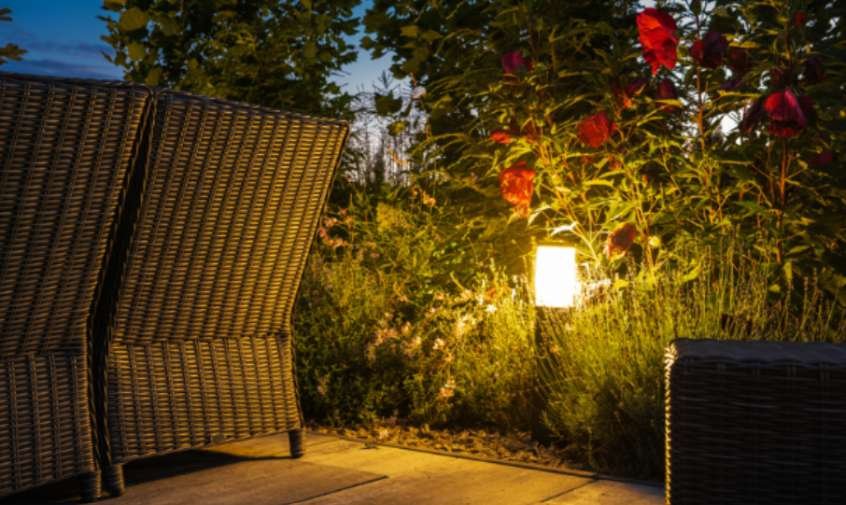
When I imagine a welcoming backyard, I picture more than furniture, flowers, and a neatly maintained lawn. I picture soft light defining the patio, illuminating a favorite tree, and guiding people safely along a garden path. The best outdoor lighting ideas for a beautiful backyard do not overwhelm the landscape. Instead, they reveal its most attractive features while making the space comfortable after sunset.
Creating this effect does not require placing a light in every corner. A successful design combines several carefully chosen light sources at different heights. Whether you have a compact garden, a large lawn, or a covered entertaining area, the following ideas can help you create a balanced nighttime setting.
How Should You Plan Backyard Lighting?
Begin by dividing your backyard into functional zones. These might include a dining area, conversation space, cooking station, walkway, deck, garden bed, and entrance. Each zone has different lighting needs.
A dining table benefits from warm overhead illumination, while steps need controlled downward-facing light. Trees and architectural features require accent lighting rather than general brightness. Planning by zone prevents random fixture placement and makes the finished design feel intentional.
Use three basic lighting layers. Ambient lighting provides a gentle overall glow. Task lighting improves visibility around grills, tables, doors, and steps. Accent lighting highlights trees, sculptures, water features, and textured walls. Combining these layers creates depth and prevents the backyard from looking flat.
Choosing the right fixtures for each layer is equally important. How to choose outdoor lighting for your home depends on the area being illuminated, the required brightness, fixture placement, and the overall purpose of the space.
15 Backyard Lighting Ideas That Balance Beauty and Function

1. Hang String Lights Above a Patio
Outdoor string lights create an inviting ceiling of light over a patio or seating area. Hang them between posts, trees, walls, or a pergola. A zigzag pattern creates casual energy, while evenly spaced parallel strands produce a cleaner appearance.
Choose weather-resistant strings designed specifically for outdoor use. Warm white bulbs generally create a softer atmosphere than cool white bulbs, especially around dining and conversation areas.
2. Create a Moonlight Effect From Above
Moonlighting uses fixtures positioned above eye level and directed toward the ground. When installed in a mature tree, on an eave, or beneath a tall pergola, the light filters through branches and creates gentle shadow patterns.
Keep the fixture concealed whenever possible. The goal is to see the illuminated landscape rather than the source producing the light.
3. Uplight a Statement Tree
A mature tree can become a dramatic nighttime focal point. Position a narrow-beam landscape light near the base and aim it upward through the trunk and canopy.
Avoid pointing the fixture toward windows or seating. Testing several angles after dark will help you highlight the tree’s form without producing uncomfortable glare.
4. Illuminate Garden Paths Selectively
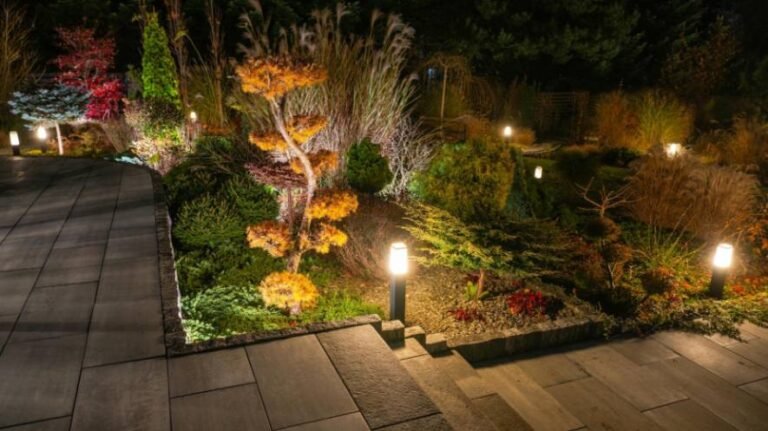
Path lights make walkways easier to navigate while drawing attention to nearby plants. Space the fixtures according to their beam spread instead of creating an unbroken row. Alternating them from one side of the path to the other often looks more natural.
The light should fall onto the walking surface rather than shine into a person’s eyes.
5. Build Lighting Into Deck Steps
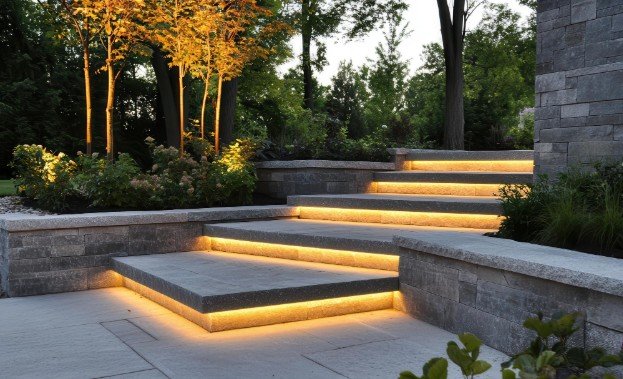
Recessed or surface-mounted step lights can define changes in elevation without dominating the design. Install them on stair risers, side walls, or nearby rail posts so that the light travels downward.
This approach improves visibility and creates a polished architectural effect around decks and raised patios.
6. Highlight a Textured Wall
Wall washing spreads light evenly across a broad surface, while wall grazing places the fixture closer to stone or brick to emphasize its texture. Either technique can transform a plain boundary into a visual feature.
Use restrained brightness. Too much light can flatten the texture and make the area feel commercial.
7. Place Lanterns Around Seating Areas
Portable lanterns offer one of the simplest outdoor lighting ideas for a beautiful backyard because they require little or no installation. Place them on side tables, steps, or the edges of a patio to create small pools of warm light.
Rechargeable and battery-operated lanterns work especially well in flexible layouts because they can be moved when the seating arrangement changes.
8. Light an Outdoor Dining Table
A pendant suspended above a covered dining table creates the feeling of an outdoor room. Where overhead installation is not practical, use string lights, rechargeable table lamps, or several coordinated lanterns.
Choose dimmable lighting when possible. Brighter illumination helps when serving food, while a lower setting creates a relaxed atmosphere later in the evening.
9. Add Subtle Deck-Rail Lighting
Lights installed beneath handrails or post caps define the deck perimeter without taking up floor space. Concealed LED strips can produce an especially clean, modern appearance.
Make sure any strip, connector, and power supply used in the system is rated for its outdoor location.
10. Backlight Ornamental Plants
Place a directional fixture behind ornamental grasses, sculptural shrubs, or decorative planters and aim it toward a fence or wall. The illuminated background turns the plant into a striking silhouette.
This technique works best with plants that have distinctive shapes or leaves that move gently in the wind.
11. Use a Pergola as a Lighting Structure
A pergola provides multiple attachment points for pendants, string lights, downlights, and concealed LED strips. Instead of using every option, choose one dominant light source and one supporting layer.
For example, pair a pendant above the table with discreet lights along the posts or beams.
12. Illuminate a Water Feature
Carefully positioned lighting can reveal the movement of a fountain or waterfall. Aim fixtures across the water or toward nearby plants to capture reflections without creating glare.
Only use equipment approved for its intended wet location. Lighting installed in or close to water may require professional planning.
13. Add Smart Lighting Controls
Timers, dusk-to-dawn sensors, dimmers, and smart controls make a backyard lighting system easier to manage. You can brighten activity zones during gatherings, lower the intensity for quiet evenings, and switch lights off automatically when they are no longer needed.
Choosing the right LED technology can make these adjustments even more useful. Warm white vs tunable white LED lighting gives you more flexibility to change the light appearance based on the activity or mood.
Use colored lighting sparingly. Warm neutral light usually provides a more timeless appearance for everyday use.
14. Use Solar Lighting in Sunny Locations
Solar lights are useful where wiring is inconvenient. They work well around garden beds, along secondary paths, and in temporary arrangements.
Performance depends on direct sunlight, battery condition, and seasonal weather. Position the solar panel where it receives adequate daylight rather than hiding it under dense foliage.
15. Introduce a Fire Feature
A fire pit creates warmth, movement, and a natural gathering point. However, firelight rarely provides enough visibility for paths, steps, or food preparation. Combine it with low-level electric or battery-operated lights to maintain safety without losing the intimate mood.
Follow clearance requirements and local restrictions whenever using an open-flame feature.
What Backyard Lighting Mistakes Should You Avoid?

Overlighting is the most common problem. Excessive brightness removes shadows, reduces depth, and makes a residential yard feel harsh. Visible bulbs and badly aimed spotlights can also produce glare.
Avoid using the same fixture everywhere. Repetitive lighting creates a runway effect, particularly along paths. Mixing a limited number of complementary fixtures produces a more natural result.
Before permanent installation, test the proposed positions after dark. Observe the yard from seating areas, doors, windows, and neighboring properties. Adjust fixtures that create glare or unnecessary light spill.
Hardwired systems, line-voltage fixtures, and complicated installations should be handled by a qualified electrician. Always select equipment rated for its exposure to moisture and weather.
Frequently Asked Questions
1. What Are the Best Outdoor Lighting Ideas for a Beautiful Backyard?
The best outdoor lighting ideas for a beautiful backyard combine warm ambient light around seating, task lighting near steps and cooking areas, and accent lighting for trees, plants, or architectural features.
2. Is Warm or Cool Light Better Outdoors?
Warm light usually creates a comfortable atmosphere around patios and dining areas. Cooler or brighter light may be helpful in security and task-oriented locations, but it should be aimed carefully.
3. How Can I Light a Backyard Without Electricity?
Solar path lights, rechargeable table lamps, battery-operated lanterns, and flameless candles provide flexible illumination without a permanent electrical connection.
4. Should Every Tree and Plant Be Illuminated?
No. Highlighting a few distinctive specimens creates more depth and drama than lighting every plant. Darkness is an important part of an effective nighttime landscape.
Bringing the Backyard to Life After Dark
I believe the most attractive backyard lighting feels subtle rather than showy. I would begin with the areas that need visibility, add warm lighting where people gather, and then highlight one or two landscape features. By testing every fixture after sunset and controlling glare, I can create a backyard that feels safer, more inviting, and beautifully connected from one zone to another.







One thought on “Outdoor Lighting Ideas for a Beautiful Backyard That Feels Magical”