

A perfectly designed room can lose its charm when the lighting does not reveal its true colors. I learned this while trying to create a warmer, more inviting feel in my own home. The furniture, paint shades, and décor choices looked impressive during the day, but under certain LED lights, they appeared completely different at night.
That discovery pushed me to understand what CRI is good for home lighting and why color quality deserves the same attention as brightness and energy efficiency. CRI, or Color Rendering Index, determines how accurately a light source displays the colors of objects around you, affecting everything from natural wood finishes and artwork to food appearance and skin tones.
For homeowners across the US upgrading to LED lighting, choosing the right CRI rating can make a noticeable difference. Instead of simply adding more light, the goal is to create lighting that makes every room look balanced, comfortable, and closer to its original design.
What Is CRI and Why Does It Matter in Home Lighting?
CRI, or Color Rendering Index, measures how accurately a light source displays colors compared with natural sunlight. The scale ranges from 0 to 100, and a higher number means the LED light reproduces colors more naturally.
A low CRI bulb may technically brighten a room, but it can make colors look washed out, gray, or less vibrant. A high CRI LED light helps reveal the true appearance of furniture finishes, artwork, clothing, countertops, and other details inside your home.
When choosing LED bulbs, many homeowners only look at lumens because they represent brightness. However, lumens and CRI measure completely different things. Lumens tell you how much light a bulb produces, while CRI tells you how accurately that light shows colors.
A bright bulb with poor CRI can still make a room feel uncomfortable. A properly balanced bulb with good CRI, suitable lumens, and the right color temperature creates a much more inviting environment.
What CRI Is Good for Home Lighting?

For most American homes, a CRI rating of 90 or higher is the ideal choice for main living spaces. CRI 90+ provides excellent color accuracy while remaining widely available for residential LED bulbs and fixtures.
The best CRI choice depends on how you use each room:
CRI 95–100 is considered exceptional and works well for spaces where color precision matters most. This includes art displays, photography areas, luxury kitchens, walk-in closets, and rooms with carefully selected materials where small color differences are noticeable.
CRI 90–94 is the recommended range for most homes. Living rooms, bedrooms, bathrooms, dining rooms, and kitchens benefit from this level because it creates vibrant and natural-looking colors.
CRI 80–89 is acceptable for functional spaces such as garages, laundry rooms, hallways, and storage areas. These ratings provide adequate visibility but may not reproduce colors as accurately as higher CRI options.
Below CRI 80 is generally not recommended for residential interiors because colors may appear distorted, flat, or unnatural.
CRI 80 vs CRI 90: Which One Should You Choose?
The difference between CRI 80 and CRI 90 becomes noticeable when you compare real-life objects.
A CRI 80 LED bulb can provide enough light to see clearly, but it may reduce the richness of colors. Reds may appear weaker, wood tones may lose warmth, and fabrics may not look as detailed.
A CRI 90 LED bulb produces a more natural appearance. It improves:
- Skin tone accuracy in bathrooms and bedrooms
- Food appearance in kitchens and dining areas
- Furniture and flooring colors
- Artwork and decorative finishes
For everyday American homes, I consider CRI 90 the best balance between quality and affordability. It provides a premium lighting experience without requiring specialty lighting products.
Why R9 Rating Matters for High CRI LED Lights
One detail many homeowners overlook is the R9 rating.
Standard CRI ratings are calculated using several color samples, but they do not include deep red performance. R9 measures how well a light source reproduces strong red colors, which directly affects skin tones, food appearance, wood finishes, and warm interior materials.
A bulb may advertise a high CRI rating but still perform poorly with deep reds if the R9 value is weak.
When buying premium LED lighting, I recommend checking for:
- CRI 90 or higher
- R9 rating of 50 or above for quality residential lighting
- Higher R9 values for bathrooms, vanity areas, photography spaces, and luxury interiors
A strong R9 rating helps prevent the pale or unnatural appearance that some LED lights create.
CRI vs Color Temperature: What Is the Difference?
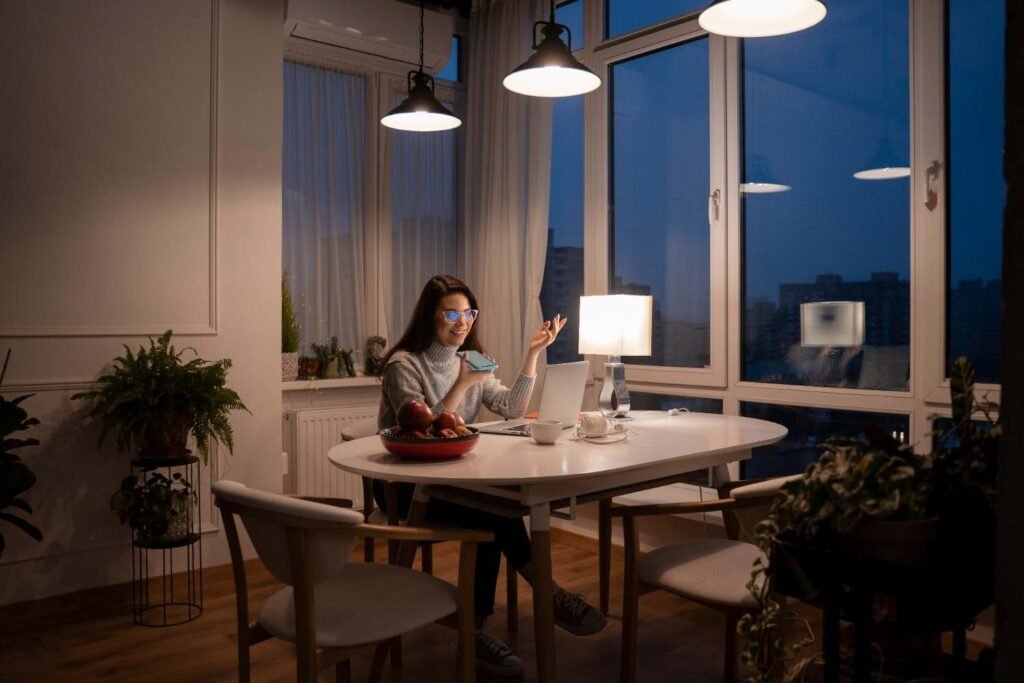
CRI and color temperature are often confused, but they describe different qualities.
Color temperature, measured in Kelvin (K), controls whether light appears warm, neutral, or cool. CRI controls how accurately colors appear under that light.
For example:
A 2700K bulb creates a warm white glow that works well in bedrooms and living rooms. A 3000K bulb provides a slightly cleaner warm tone that many homeowners prefer for kitchens and bathrooms.
However, a 2700K bulb with poor CRI can still make a room look dull. A 2700K bulb with CRI 90+ can create a warm, rich, and natural appearance.
The best residential lighting combines the right Kelvin temperature with a strong CRI rating.
Best CRI Rating for Different Rooms in Your Home
Living Room
Living rooms benefit from CRI 90+ because furniture, artwork, flooring, and fabrics become more visually appealing. If your space includes wood furniture or decorative textiles, higher CRI lighting helps maintain their natural character.
Kitchen
Kitchen lighting requires accurate color reproduction because food preparation depends on seeing true colors. CRI 90+ helps countertops, cabinets, ingredients, and finishes look more realistic.
Bathroom and Vanity Areas
Bathrooms are one of the most important places for high CRI lighting. Good color rendering helps with makeup application, grooming, and accurate skin tones.
Bedroom
Bedrooms usually need comfortable warm white lighting. A CRI 90 LED bulb combined with 2700K–3000K color temperature creates a relaxing atmosphere while keeping fabrics and furniture looking natural.
Home Office
For home offices, high-quality LED lighting improves visual comfort during reading, computer work, and video meetings. CRI 90+ can make colors on documents, printed materials, and creative projects appear more accurate.
How to Choose the Right LED Bulbs for Your Home
When shopping for LED bulbs, I do not focus on just one specification. I look at the complete lighting package.
A quality residential LED bulb should have:
A CRI rating of 90 or higher for main living areas.
A suitable lumen output based on room size.
A color temperature that matches the room’s purpose.
Reliable dimming compatibility if you use dimmer switches.
A published R9 value when color accuracy is especially important.
Choosing a slightly better LED bulb can improve your home every day because lighting affects how you experience every room.
Common Mistakes Homeowners Make When Choosing CRI

One common mistake is choosing bulbs only because they are bright. More brightness does not automatically mean better lighting quality. Homeowners should also consider factors like led beam angle for low ceilings, as the wrong beam spread can create uneven illumination, harsh hotspots, or unwanted shadows even when the bulb produces enough light.
Another mistake is mixing LED bulbs with very different CRI ratings in the same room. Even if the brightness matches, different color quality can make the space feel inconsistent.
Many homeowners also ignore CRI when purchasing smart bulbs, recessed lights, and LED strips. Smart features are useful, but they do not replace good color rendering. Choosing the right combination of brightness, CRI, and beam angle helps create a more comfortable and visually balanced lighting environment.
Frequently Asked Questions About CRI for Home Lighting
1. What CRI is good for home lighting?
For most homes, CRI 90 or higher is the best choice because it provides natural colors, better skin tones, and improved LED lighting quality in everyday spaces.
2. Is CRI 95 better than CRI 90 for residential lighting?
CRI 95 provides higher color accuracy and is useful for artwork, photography, and premium interiors. However, CRI 90+ is more than enough for most living spaces.
3. Does a higher CRI make an LED bulb brighter?
No. CRI affects color accuracy, not brightness. Lumens measure brightness, while CRI measures how naturally colors appear.
4. Should every room in my house have CRI 90 lighting?
Not necessarily. High CRI lighting matters most in kitchens, bathrooms, bedrooms, living rooms, and areas where you notice colors. Utility spaces can use lower CRI ratings.
Final Thoughts on Choosing the Right CRI for Your Home
After learning how lighting affects my home’s appearance, I no longer choose LED bulbs based only on brightness. A well-designed lighting system needs the right combination of CRI, color temperature, and brightness.
For most US homeowners, CRI 90+ is the smartest choice for everyday living spaces. It makes rooms feel warmer, colors appear more natural, and interior details look closer to their original design.
The goal is not simply to add more light. It is to create lighting that makes your home look and feel the way you imagined it.








One thought on “What CRI Is Good for Home Lighting? Choosing the Right Rating for Every Room”