
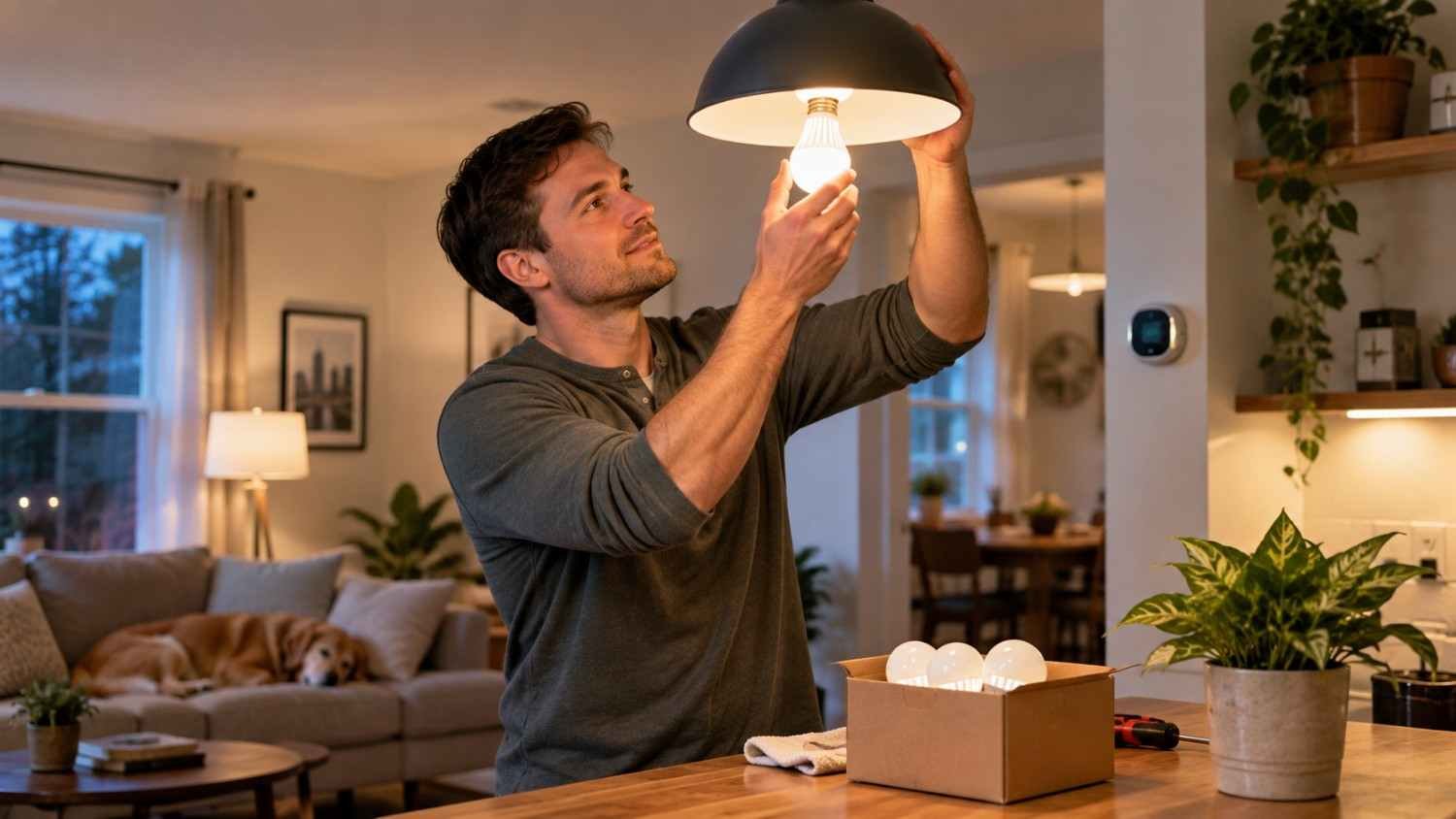
I used to think energy-efficient lighting was a set-it-and-forget-it upgrade. Once I replaced older bulbs with LEDs, I assumed the savings would continue. I noticed dusty fixtures looked dimmer, motion sensors behaved inconsistently, and a few lights needed attention.
I realized that maintaining energy-efficient lighting is less about constantly replacing equipment and more about protecting the performance already paid for. Cleaning, inspecting, and adjusting controls can help a lighting system deliver useful light without quietly adding waste to the electric bill.
Why Efficient Lighting Still Needs Maintenance

LEDs can produce needed light with much less electricity than traditional incandescent lamps. That does not mean every LED installation performs perfectly forever. Light output can decline, components can be affected by heat, and controls can cause lights to run longer than necessary.
A fixture may still deliver less useful light, while a poorly programmed sensor can leave a room illuminated after people leave. Good maintenance considers both.
Lumen depreciation is also different from the sudden failure associated with older bulbs. LEDs generally lose output gradually. Keeping fixtures clean, allowing heat to escape, and replacing damaged components can preserve useful performance instead of waiting for a complete failure.
Keep Fixtures Clean and Manage Heat
Dust, grease, and grime collect on lenses, reflectors, housings, and other surfaces. Buildup can reduce the amount of light reaching a room. Occupants may then switch on additional fixtures, undermining expected savings.
For indoor fixtures, a gentle wipe with a dry or approved microfiber cloth is practical. Turn fixtures off, let them cool, and follow manufacturer instructions.
Heat deserves attention, too. LEDs use less energy and generally produce less heat than incandescent bulbs, but their electronic components still have temperature limits. Recessed fixtures, enclosed housings, and poorly ventilated spaces can create challenging conditions. When replacing equipment, verify that the product is rated for its intended location, including enclosed fixtures or insulation-contact installations when applicable.
Keeping ventilation paths clear and avoiding unapproved modifications can protect performance and safety.
Give Controls the Same Attention as Fixtures
An efficient lamp cannot save electricity when it runs unnecessarily. Lighting controls deserve routine maintenance.
Occupancy sensors, motion sensors, timers, photocells, and dimmers can reduce wasted operating hours when configured correctly. A blocked sensor can create dark spots. An outdated timer can leave exterior lighting on during daylight. An incompatible dimmer can cause flickering or unreliable operation.
During periodic inspections, check whether controls respond as expected and whether schedules match how a space is actually used. Review outdoor schedules as daylight changes seasonally.
For an older property, understanding how to upgrade existing fixtures for modern LED lighting can help determine whether the fixture, lamp, driver, or control needs attention. Updating one component may be more practical than replacing the system.
Catch Small Problems Before They Grow
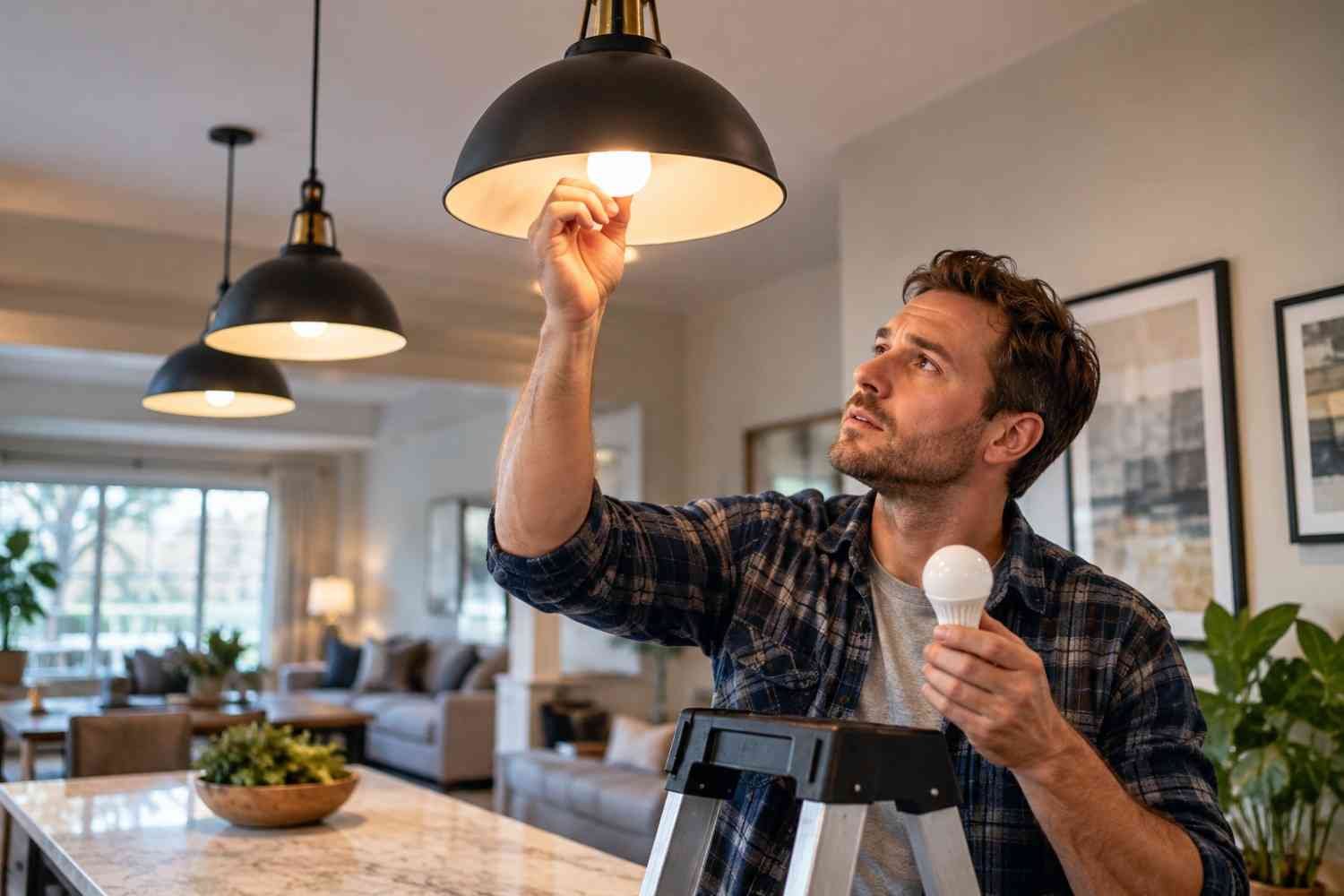
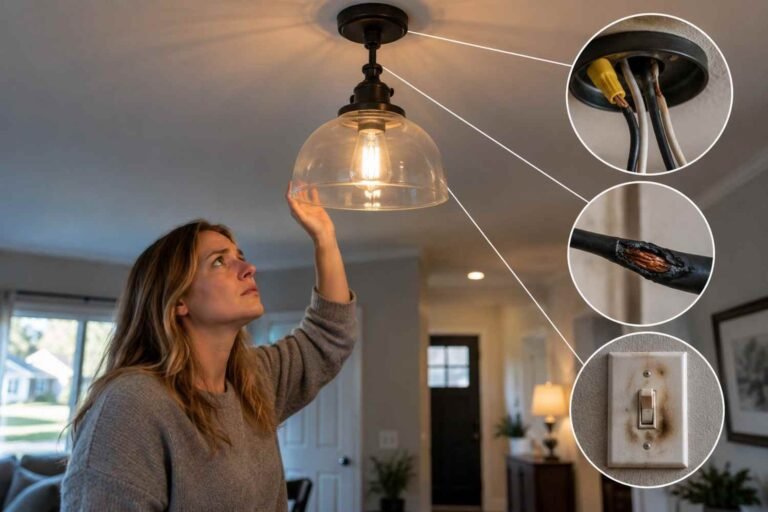
Flickering, buzzing, unexpected dimming, discoloration, or repeated lamp failures should not automatically be dismissed. They can point to an aging driver, incompatible control, loose connection, excessive heat, moisture exposure, or another problem.
Outdoor fixtures need particular attention because rain, humidity, temperature changes, dirt, and insects can affect housings and connections. Check for cracked lenses, damaged seals, corrosion, or water intrusion when safe.
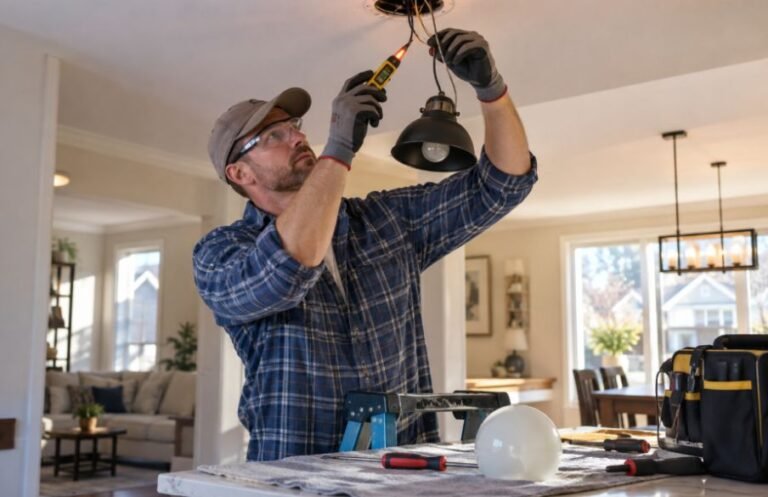
A maintenance log makes recurring issues easier to spot. Record the date, fixture location, problem, replacement part, and action taken. If one fixture repeatedly fails while similar fixtures continue working, replacing another lamp may only treat the symptom. A qualified electrician or lighting professional can investigate electrical issues beyond basic maintenance.
Build a Routine That Fits the Property
There is no universal maintenance schedule. A residential hallway may need less attention than a commercial kitchen, parking lot, warehouse, or retail space. Match inspections to the environment and operating hours.
A practical routine can include:
-
Cleaning fixture surfaces and checking ventilation.
-
Testing sensors, timers, dimmers, and controls.
-
Looking for flickering, unusual heat, damage, or moisture.
-
Recording repeated failures and replacement dates.





One thought on “Maintaining Energy-Efficient Lighting for Long-Term Savings”