
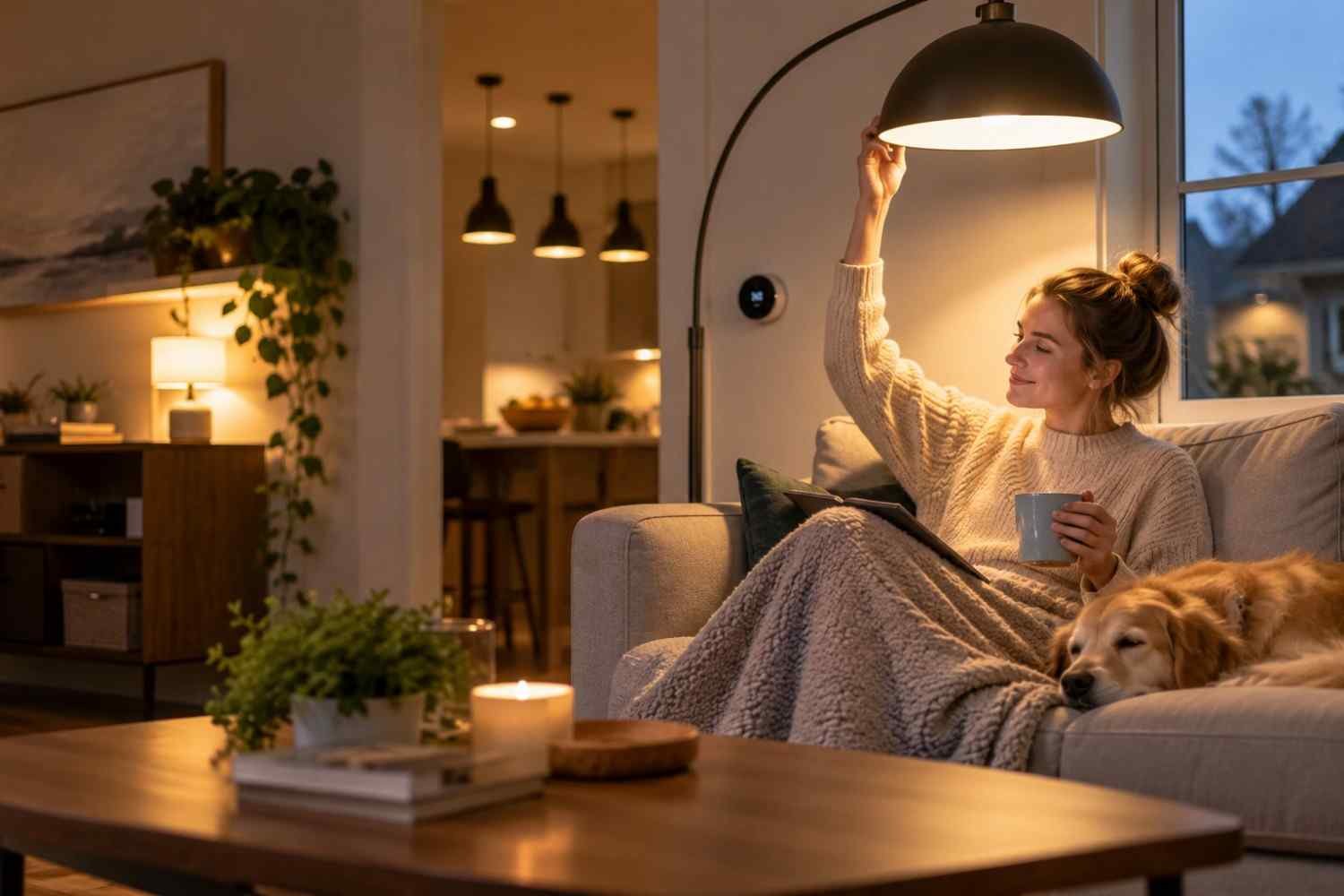
I started noticing how often lights were on when nobody really needed them. A hallway stayed lit after everyone had moved elsewhere, or a bright ceiling fixture ran while a small lamp handled the actual task. Those moments seemed harmless, but they made me look differently at lighting energy consumption and how ordinary habits waste electricity.
I also realized that saving energy does not have to mean living with dim rooms or harsh light. Once I paid attention to brightness, timing, fixture choice, and daylight, reducing lighting energy consumption felt less like a sacrifice and more like using light intelligently. The goal is not simply fewer watts. It is better light for the way a space is used.
Start With the Lights You Use Most
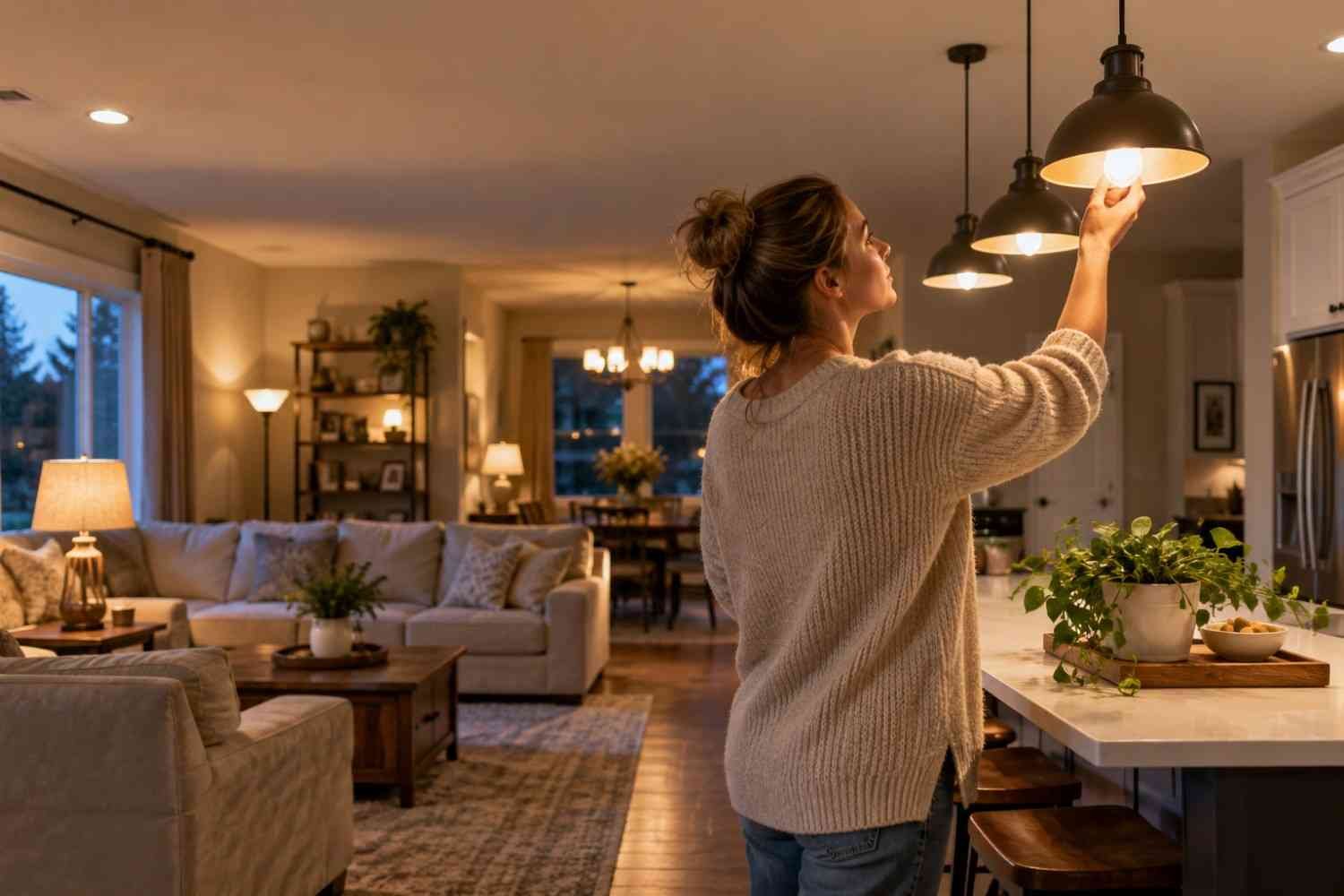
Begin with fixtures that operate for several hours every day. Kitchen lights, living room fixtures, home office lamps, and outdoor lights can add to electricity use simply because their operating hours accumulate.
Walk through the home and notice which lights stay on longest. A fixture used five hours nightly deserves more attention than a closet light used briefly.
This quick audit can also reveal over-lighting. A large ceiling fixture may illuminate an entire room when only one corner needs focused light. Reducing unnecessary lighting can be as useful as buying efficient equipment.
Make LEDs the Foundation
LED lighting is one of the most practical ways to cut electricity use. Modern LEDs generally provide more light for less power than incandescent bulbs and can last much longer, reducing energy use and replacement frequency.
When shopping, compare lumens rather than wattage alone. Lumens describe visible light, while watts describe power. A lower-watt LED can provide plenty of brightness, helping prevent over-lighting.
Comfort depends on color temperature too. Warm white light around 2700K to 3000K suits living areas and bedrooms, while around 4000K can work well for kitchens, offices, and detailed tasks. Check compatibility with dimmers and enclosed fixtures.
If an existing fixture still works well, replacing the entire setup may be unnecessary. How to upgrade existing fixtures for modern LED lighting can help make the transition practical while preserving the room’s character.
Let Daylight Carry More of the Load
Natural light costs nothing, so use it when it can replace electric lighting. Keep windows reasonably clear and open shades during the day.
The trick is managing daylight rather than simply maximizing it. Direct sun can create glare, make screens difficult to read, or heat a room. Sheer curtains and light-filtering shades can soften strong sunlight while retaining illumination.
Room finishes help. Lighter walls and ceilings reflect daylight farther into a space, while placing a desk near a window can reduce the need for electric lighting.
Light the Task, Not the Whole Room
Task lighting improves efficiency by directing light where an activity happens instead of illuminating everything. A desk lamp can handle paperwork without lighting an entire office. Under-cabinet lighting can support food preparation without requiring every kitchen fixture to run. A reading lamp can provide focused brightness while the main room lighting stays lower.
This layered approach can improve visual comfort. Different activities need different light levels, and one bright setting for an entire room can create glare and unnecessary energy use.
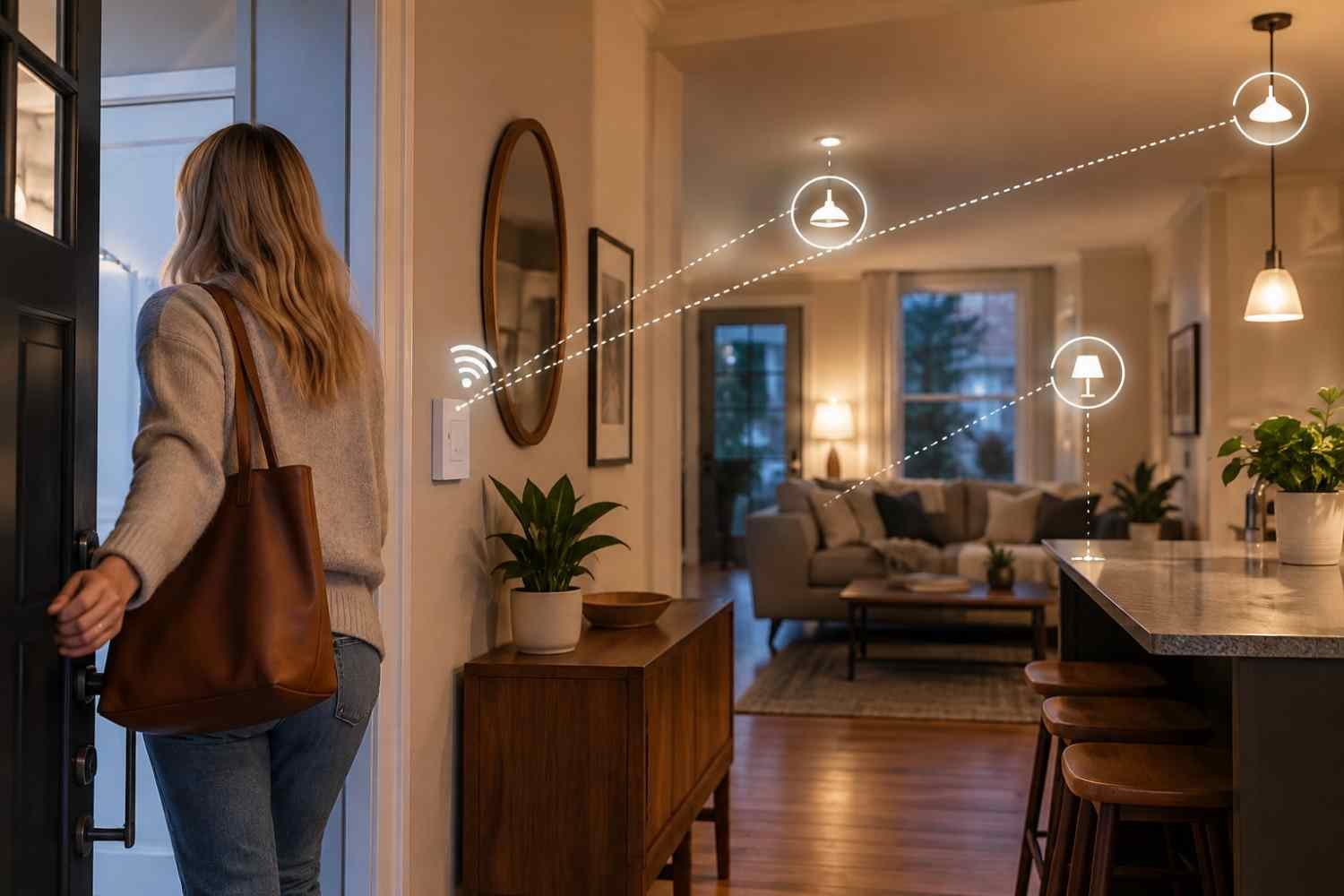
Automate the Lights You Forget






2 thoughts on “Reducing Lighting Energy Consumption Without Sacrificing Comfort”