
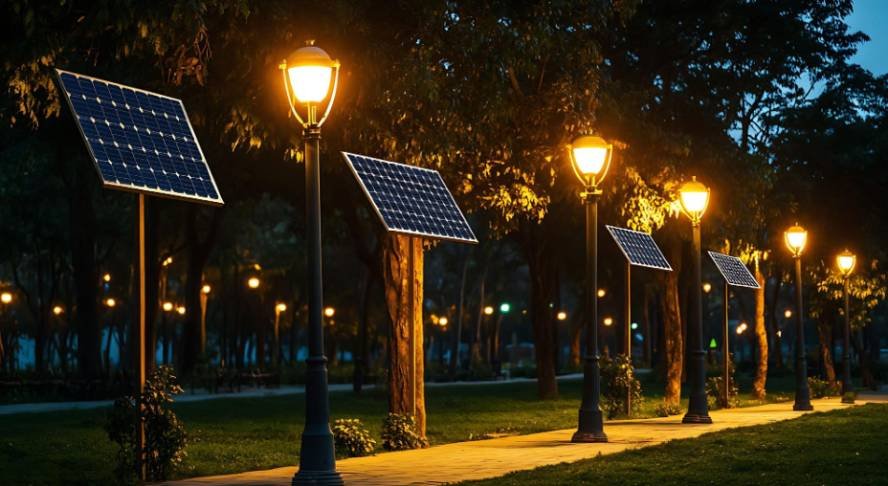
I used to think choosing outdoor lights was simple: solar fixtures save electricity, while wired fixtures provide more power. In reality, the right choice depends on what I need the lights to accomplish, how much sunlight reaches the property, and whether the installation is temporary or permanent. When comparing solar vs wired outdoor lighting, I consider brightness, reliability, installation, maintenance, controls, weather exposure, and long-term cost—not just the price printed on the box.
Solar lights are convenient for decorative accents and locations without nearby electricity. Wired fixtures are generally better for dependable pathway, task, architectural, and security lighting. Many properties can benefit from combining both.
How Do Solar and Wired Outdoor Lights Work?
Solar lights contain a photovoltaic panel that converts sunlight into electricity. The electricity charges an internal battery during the day, and the battery powers an LED after dark. A photocell normally switches the fixture on automatically when surrounding light levels fall.
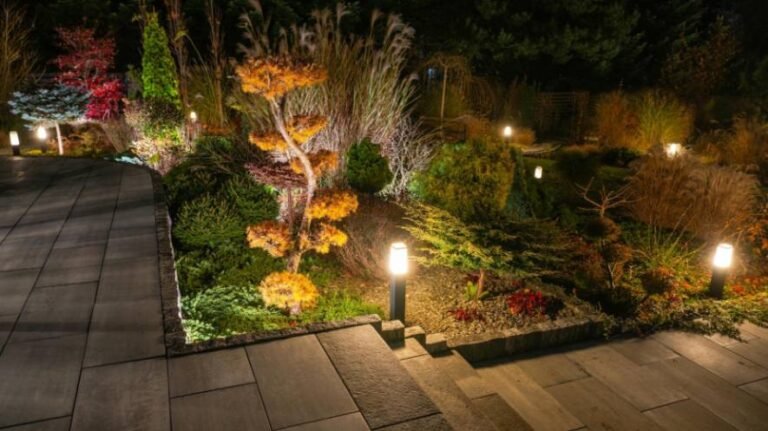
Wired lighting receives continuous electricity from a building or outdoor power source. Low-voltage landscape systems typically use a transformer to reduce household electricity to approximately 12 volts. A cable then carries power from the transformer to fixtures around the yard. Line-voltage fixtures operate at household voltage and are commonly used for wall sconces, post lights, and powerful floodlights.
That distinction matters. Low-voltage landscape kits and permanently connected line-voltage fixtures have different installation requirements.
Which Outdoor Lighting Is Easier to Install?
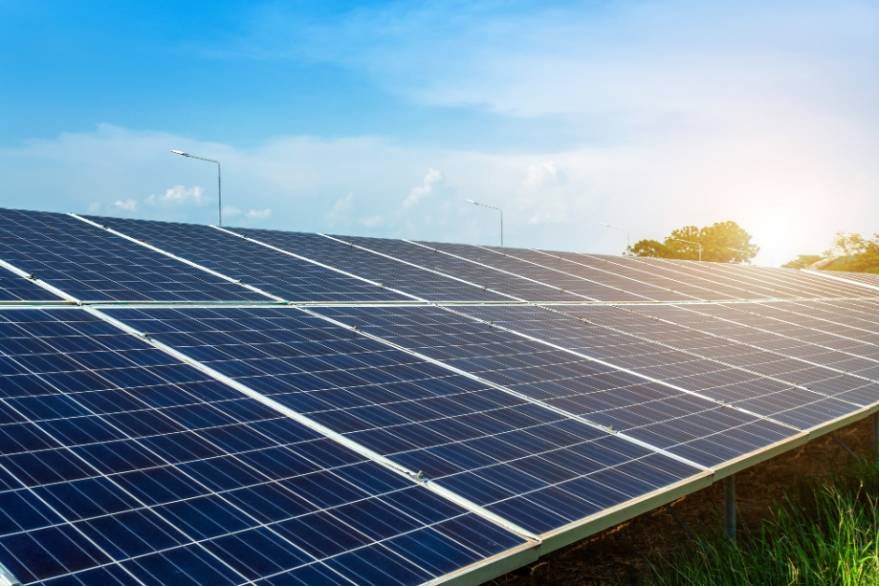
Solar lighting is usually the easier choice. Stake-mounted lights can be placed in soil without trenching, cables, or an outdoor receptacle. Wall-mounted models may require only screws and anchors. They can also be relocated when landscaping changes.
Placement still requires planning. An integrated solar panel must receive sufficient daylight, even if the fixture is needed beneath a tree or beside a shaded walkway. A model with a separate panel provides more flexibility because the panel can remain in sunlight while the light illuminates a darker location.
Installing low-voltage lighting involves positioning a transformer, planning cable routes, making weather-resistant connections, and burying landscape cable where required. Long runs may experience voltage drop if the cable size, transformer capacity, and system layout are poorly matched.
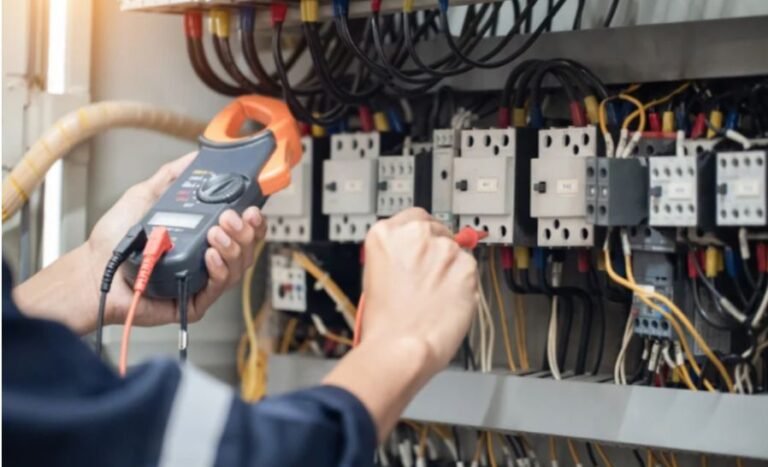
Permanently connected 120-volt fixtures involve greater electrical risk. Homeowners should follow manufacturer instructions and applicable codes, and use a qualified electrician when the project requires new circuits or permanent electrical connections.
Which Option Provides Better Brightness and Reliability?
Wired lighting normally provides steadier output because its performance does not depend on the previous day’s sunshine. It is well suited to steps, entrances, cooking areas, tall trees, wide driveways, and places where consistent visibility is important.
Solar brightness depends on panel size, battery capacity, LED lighting efficiency, operating mode, and charging conditions. Cloud cover, shade, dirt, snow, short winter days, and an aging battery can reduce output or runtime. Some fixtures also begin brightly and gradually dim as their stored energy falls.
However, “solar is dim” is no longer a reliable universal rule. Premium solar spotlights and motion lights can provide useful illumination. Buyers should compare initial lumens, runtime at the selected brightness, beam angle, panel specifications, and whether the stated output is continuous or available only in motion mode.
Solar vs Wired Outdoor Lighting Costs
Solar fixtures usually have a lower installation cost because they require no transformer, cable trench, or electrical labor. They also consume no grid electricity. Their ongoing costs can include replacement batteries, cleaning, and eventual fixture replacement.
Wired systems cost more initially, especially when professional installation, trenching, multiple zones, or premium metal fixtures are included. Their operating cost can nevertheless remain modest when energy-efficient LEDs and automatic controls are used.
A homeowner can estimate annual electricity cost with this formula:
Annual cost = total watts ÷ 1,000 × daily operating hours × 365 × electricity rate
For example, a 60-watt system used for six hours each night consumes approximately 131.4 kilowatt-hours annually. Multiplying that figure by the local electricity rate produces a more credible estimate than relying on a universal cost claim.
Maintenance, Durability, and Weather Performance
Solar panels need periodic cleaning because dust, pollen, leaves, and snow can interfere with charging. Rechargeable batteries gradually lose capacity and may need replacement. A sealed fixture without a replaceable battery may require complete replacement even when its LEDs still work.
Wired systems avoid battery maintenance, but cables and connectors can be damaged by digging, landscaping tools, moisture, animals, or ground movement. Transformers, timers, and photocells can also require troubleshooting.
For either system, shoppers should examine the fixture’s outdoor rating, housing material, warranty, corrosion resistance, replacement-part availability, and temperature limits. A well-built solar product may outlast a poorly constructed wired fixture, so the power source should not be the only quality test.
Which Is Better for Safety and Security?
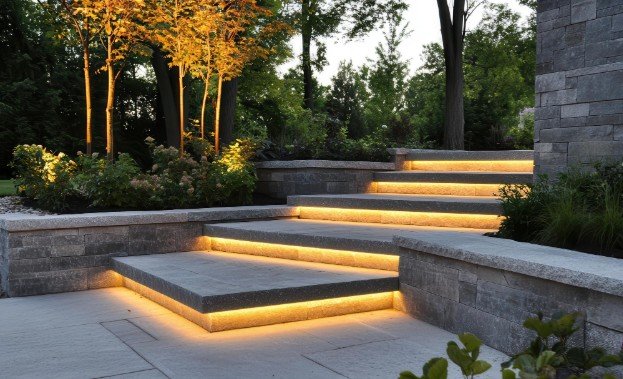
Reliable wired illumination is generally the stronger choice for stairs, entrances, primary walkways, driveways, and security areas. For specific recommendations on positioning fixtures and reducing hazards around steps, see how to light outdoor steps safely.
These locations should not become dangerously dark because a panel received inadequate sunlight.
Solar motion lights can still be valuable around sheds, gates, fences, and remote corners where running electricity would be difficult. Motion activation preserves stored energy while supplying light when someone approaches.
Regardless of the power source, brighter is not always safer. Glare can make it harder to see beyond an intensely illuminated area. Shielded fixtures, thoughtful aiming, and overlapping pools of moderate light often provide better visibility.
When Should I Choose Solar Lights?
Solar fixtures are practical for garden accents, temporary layouts, decorative lanterns, movable seating areas, rental properties, and distant locations without accessible power. They work best where their panels receive dependable daylight and where reduced runtime would not create a safety problem.
When Should I Choose Wired Lights?
Wired lighting is better for permanent landscape designs, architectural uplighting, outdoor kitchens, steps, high-use pathways, large trees, driveways, and security zones.
For ideas on creating a functional and inviting deck lighting setup, the tips for outdoor lighting ideas for decks.
It also supports more precise timers, dimmers, separate zones, color controls, and smart-home integration.
A hybrid arrangement often delivers the most useful result. Wired fixtures can cover essential areas, while solar lights add inexpensive accents in sunny garden beds or remote sections of the yard.
Frequently Asked Questions
1. Are wired outdoor lights brighter than solar lights?
Wired fixtures usually provide brighter and more consistent illumination, but output depends on the individual product. Compare lumens, beam angle, coverage, and sustained runtime rather than power source alone.
2. Do solar lights work during winter?
They can work during winter, but shorter days, shade, snow-covered panels, cold temperatures, and cloudy weather may reduce charging and nighttime runtime.
3. Is low-voltage outdoor lighting expensive to operate?
LED low-voltage systems generally use relatively little electricity. Actual cost depends on total wattage, daily operating time, control settings, and the local electricity rate.
4. How do I choose between solar vs wired outdoor lighting?
Choose solar for easy installation, flexibility, and nonessential illumination in sunny locations. Choose wired fixtures when consistent brightness, security, advanced control, or permanent professional-looking illumination matters most.
Final Thoughts
I would not select one power source for an entire property without considering how each area is used. I prefer wired lights for steps, entrances, pathways, entertaining spaces, and security because they provide dependable illumination. For sunny garden beds, remote corners, and decorative accents, solar fixtures offer freedom without cables or electricity use.
The smartest design may use both. By matching every fixture to its purpose, checking real product specifications, and controlling glare and operating time, I can create an outdoor space that is attractive, practical, and easier to maintain.



One thought on “Solar vs Wired Outdoor Lighting: Which Is Better?”