LED strip lights have become one of my favorite ways to add modern lighting to kitchens, living rooms, bedrooms, and entertainment spaces. They are affordable, flexible, and easy to install, but there is one common problem that can ruin an otherwise beautiful setup: visible LED dots.
Instead of a smooth line of illumination, many installations show individual bright spots that make the lighting look unfinished. These LED hotspots usually appear because the individual diodes are too visible, the strip density is too low, or the installation does not include proper diffusion.
The good news is that you do not need to remove your entire lighting system. With the right combination of LED technology, placement, and accessories, you can create a clean, professional-looking glow. Understanding how to hide LED strip light dots helps transform basic accent lighting into seamless LED lighting that looks like it was installed by a professional.
Why Do LED Strip Lights Show Individual Dots?
LED strip lights are made with multiple small LEDs placed along a flexible circuit board. When you can see the LEDs directly, your eyes distinguish each light source instead of a continuous glow.
The dotted effect usually happens for three main reasons.
Low LED Density Creates More Visible Hotspots
The spacing between LEDs plays a major role in light quality. Standard LED strips with fewer LEDs per meter often create obvious gaps between bright points.
For example, a 30 LED-per-meter strip may show noticeable dots, while a 120 LED-per-meter strip creates a much smoother appearance because the light sources are closer together. Higher LED density is especially important for visible installations such as shelves, cabinets, and decorative wall lighting.
The LED Strip Is Too Close to the Surface

When a strip is installed directly against a wall, ceiling, or countertop, each LED creates a concentrated reflection. The closer the LEDs are to the surface, the easier it becomes to see individual hotspots.
Increasing the distance between the strip and the illuminated surface gives the light more room to blend naturally.
A Clear Cover Does Not Diffuse Enough Light
Many basic installations use transparent covers that protect the strip but do not properly scatter the light. A proper LED strip diffuser cover uses frosted material to spread the output and reduce harsh points of brightness.
The Best Ways to Hide LED Strip Light Dots
Use COB LED Strip Lights for a Nearly Dot-Free Appearance
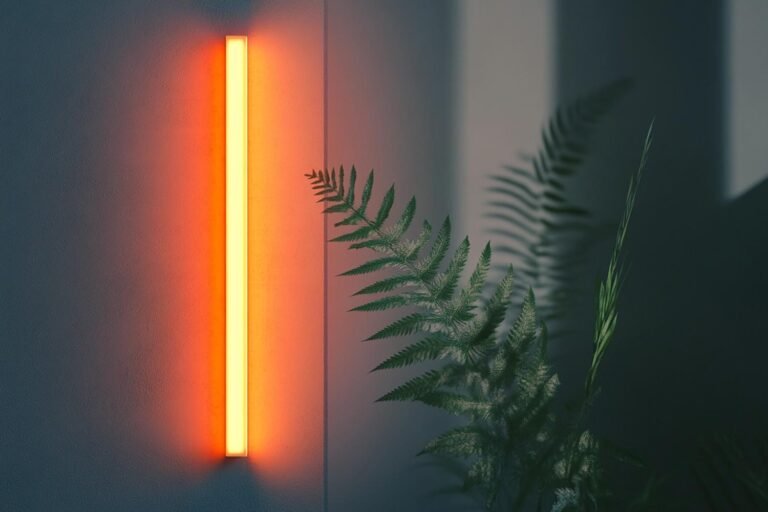
One of the most effective solutions is switching to COB LED strip lights.
Traditional LED strips use separated diodes, while COB (Chip-on-Board) technology places LED chips much closer together and covers them with a continuous phosphor layer. This creates a smoother, more uniform line of light with minimal visible gaps.
I recommend COB strips for areas where the lighting source may be visible, including:
- Kitchen shelves
- Bathroom mirrors
- Stair lighting
- Display cabinets
- Modern ceiling accents
For homeowners who want a premium neon-style effect without installing traditional neon fixtures, COB strips are often the simplest upgrade.
Install an Aluminum LED Channel With a Frosted Diffuser
An aluminum LED channel is one of the most reliable ways to improve the appearance of standard LED strips.
These channels hold the strip inside a protective aluminum profile and use a frosted polycarbonate diffuser cover to scatter the light. Instead of seeing individual LEDs, you see a softer and more consistent line.
A good diffuser channel also provides additional benefits:
- Better heat management
- Cleaner installation
- Protection from dust and damage
- More professional appearance
For visible areas like under-cabinet kitchen lighting or shelving, I prefer deeper aluminum channels because they create more space between the LEDs and diffuser. This extra distance allows the light to mix before reaching your eyes.
Choose Higher Density LED Strips
If you are purchasing new LED strips, LED density should be one of your biggest considerations.
A simple comparison:
30 LEDs per meter: Best for hidden applications where the strip is not visible.
60 LEDs per meter: Suitable for basic accent lighting.
120 LEDs per meter or higher: Better for smooth visible lighting.
COB LED strips: Best choice for a continuous dot-free appearance.
Choosing the right density from the beginning can save you from needing additional diffusers or redesigning your installation later.
Use Indirect Lighting to Hide the LED Source

One of my favorite lighting techniques is hiding the strip completely and allowing the reflected light to create the effect.
Instead of pointing LEDs directly toward viewers, position them so the light bounces from another surface.
This works especially well for:
Ceiling Cove Lighting
Install strips inside recessed areas or crown molding so the ceiling receives a soft glow instead of exposing the LEDs.
TV Backlighting
Place the strip behind your television frame. The wall reflection creates a smooth halo effect without visible dots.
Kitchen Cabinets
Install strips toward the back or underneath cabinets with a diffuser channel. This creates even countertop lighting without distracting bright points.
Consider CRI 80 vs. CRI 90 LED Quality
While removing LED dots improves appearance, color accuracy also affects how professional your lighting looks.
CRI, or Color Rendering Index, measures how accurately a light source displays colors compared with natural sunlight.
CRI 80 is the common standard for many residential LED products. It works well for general areas like closets, hallways, and utility spaces.
CRI 90+ provides more accurate and vibrant colors. It makes skin tones, wood textures, artwork, and food colors appear more natural, making it a better choice for kitchens, bathrooms, living rooms, and display areas.
When upgrading LED strip lighting, combining high CRI with proper diffusion creates a more realistic and premium lighting experience.
Reduce Brightness to Soften LED Hotspots
Sometimes the easiest solution is simply lowering the brightness level.
Running LED strips at maximum power increases the contrast between each diode and the surrounding area. Using a dimmer or smart controller allows the light output to blend better with the room.
This works particularly well in bedrooms, home theaters, gaming rooms, and relaxing spaces.
Common Mistakes That Make LED Dots More Noticeable
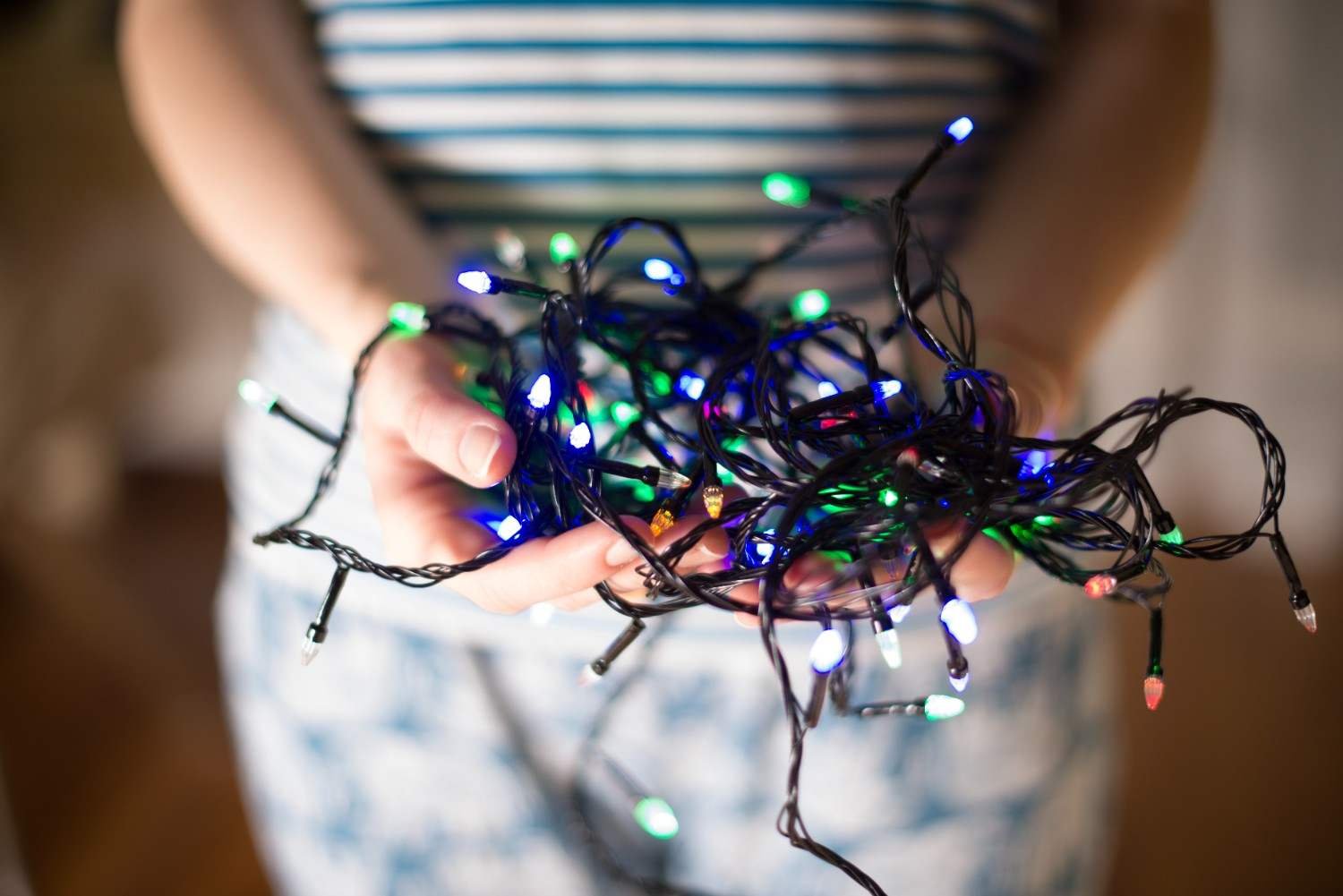
Many LED installations fail because the strip placement does not match the intended viewing angle.
Avoid placing exposed LED strips where people can directly see the diodes. Avoid using shallow diffuser channels when you need a completely smooth appearance. Also, do not assume maximum brightness creates better lighting because excessive intensity can make hotspots stand out.
A successful LED installation focuses on controlling the direction, spread, and quality of light.
Frequently Asked Questions About Hiding LED Strip Dots
1. Why can I see dots on my LED strip lights?
You can see dots because individual LEDs are spaced apart and their light does not blend before reaching your eyes. Low-density strips, poor placement, and clear covers can make the effect more noticeable.
2. What is the best way to remove LED hotspots?
Using COB LED strip lights or installing standard strips inside an aluminum LED channel with a frosted diffuser is usually the most effective way to reduce hotspots.
3. Are 120 LED per meter strips better for hiding dots?
Yes. Higher-density strips place LEDs closer together, allowing the light sources to blend more naturally and creating a smoother appearance.
4. Do LED diffusers completely remove LED dots?
A high-quality LED diffuser can significantly reduce visible dots, but the final result depends on LED density, diffuser depth, brightness, and installation distance.
Create a Smooth LED Lighting Design That Looks Professional
I have found that the best LED installations are not always the brightest ones. They are the ones where the light feels natural, and the hardware disappears into the design.
Whether you are upgrading a kitchen, creating a modern entertainment wall, or adding accent lighting throughout your home, using the right combination of COB technology, diffuser channels, LED density, and placement makes a major difference. Understanding factors like cri 80 vs. CRI 90 LED lighting can also help you choose LED strips that deliver more accurate colors and a premium visual experience.
Learning how to hide LED strip light dots allows you to turn ordinary LED tape into a polished lighting feature that improves both the appearance and atmosphere of your space.




One thought on “How to Hide LED Strip Light Dots and Create a Seamless Glow”