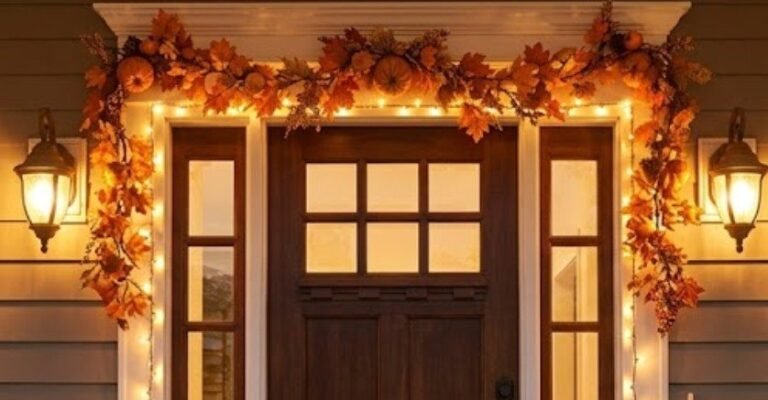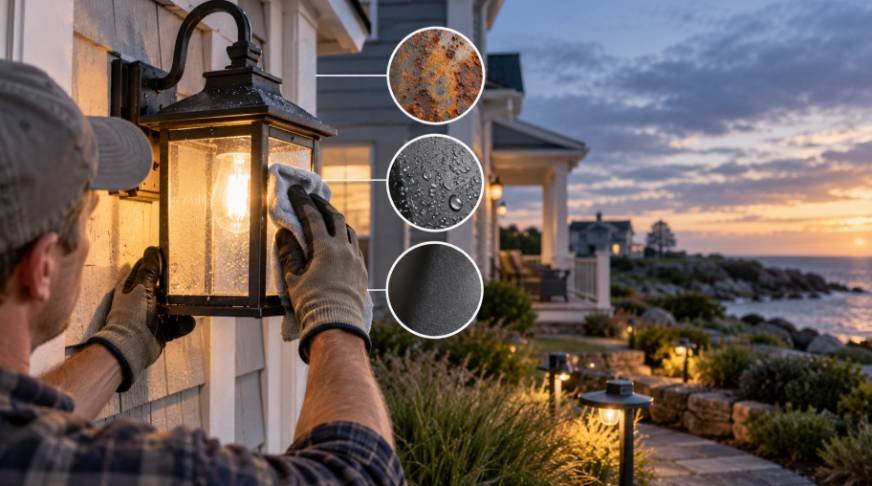
I started noticing outdoor light corrosion in places I never expected. A fixture could still turn on every evening while its screws looked rusty, its finish looked chalky, or its metal showed strange discoloration. I realized that reliable outdoor lighting depends on more than wiping the lens. The materials and connections need careful protection too.
I also found that weather exposure is rarely the only problem. Sprinklers can soak a fixture, salt can cling to metal after the air feels dry, and a tiny chip in a protective coating can let moisture underneath. Good outdoor lighting corrosion prevention starts before failure appears, with sensible materials, sealed connections, and regular inspections.
Why Outdoor Lights Start Corroding
Outdoor fixtures face moisture, dirt, irrigation water, and temperature changes. Coastal homes add airborne salt, while sprinklers can create similar problems inland.
Corrosion does not always look like rust. Aluminum may develop white oxidation, while copper and brass can darken or develop a greenish patina. Steel hardware may rust around screws, seams, brackets, and mounting plates. Damage at a small connection can eventually affect the entire fixture.
Look Beyond the Fixture Housing
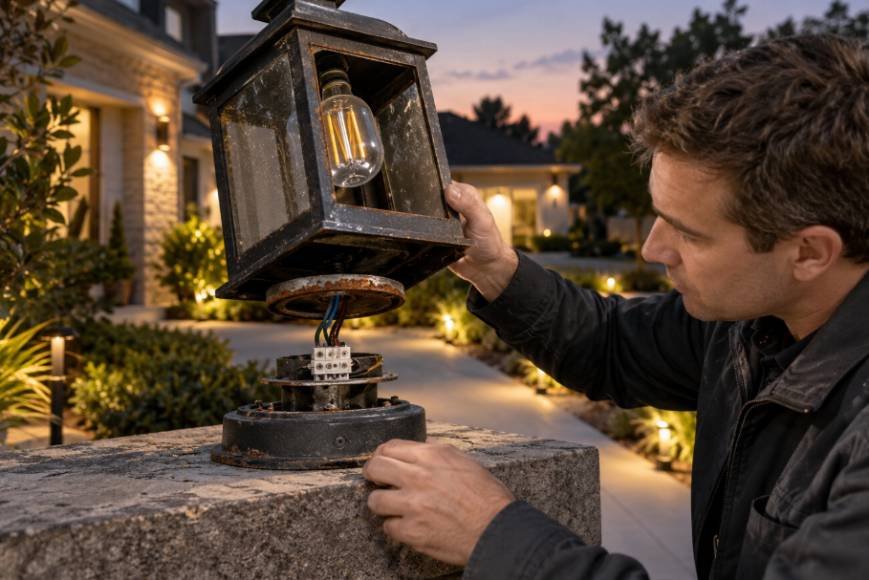
The housing gets most of the attention, but sockets, contacts, fasteners, gaskets, and cable entries can be more vulnerable. Inspect the whole assembly early for loose screws, damaged seals, cracked lenses, discoloration around contacts, and water inside the housing. If a sprinkler hits the fixture repeatedly, redirecting it may do more good than repeated cleaning.
Choose Materials That Can Handle Exposure
Material choice matters. Solid brass and copper are popular for demanding outdoor lighting applications because they do not develop ordinary red rust and naturally form a patina as they weather. That aging is not necessarily a sign of failure.
Marine-grade composite is another option. Composite housings can eliminate metal oxidation, although UV stability, construction quality, and hardware still matter.
Powder-coated aluminum can be a practical middle ground. It is lightweight and less expensive than solid brass, but the coating is its first defense. A deep scratch or chip should be addressed before moisture reaches the aluminum beneath it. In coastal environments, 316 stainless steel hardware is also worth considering because it offers better chloride resistance than common 304 stainless steel.
Protect the Electrical Connections
A durable housing cannot compensate for a poor connection. Outdoor wiring needs protection appropriate for its location, and fixtures exposed directly to rain should be approved for wet locations.
For low-voltage systems, sealed outdoor connectors can keep moisture away from wire junctions. Gel-filled connectors are one common approach. Dielectric grease can also help protect suitable lamp contacts and seals from moisture. Use products and application methods recommended for the particular socket or connector.
Controls matter too. If an older setup still relies on basic switches, converting regular light switches to smart switches can make scheduling easier, but smart functionality does not make a fixture weatherproof. Physical protection still comes first.
Do Not Treat an IP Rating as a Corrosion Rating
An IP rating is useful, but it answers a narrower question than many homeowners assume. It indicates resistance to solids and water entry under defined testing conditions. It does not automatically tell you how metal will perform after years of salt exposure, how durable a coating is, or whether fasteners will resist corrosion.
So, consider housing material, hardware, seals, location, and exposure to rain or irrigation. A high ingress rating paired with poorly chosen metal can still leave you with a fixture that ages badly.
Build a Simple Maintenance Routine
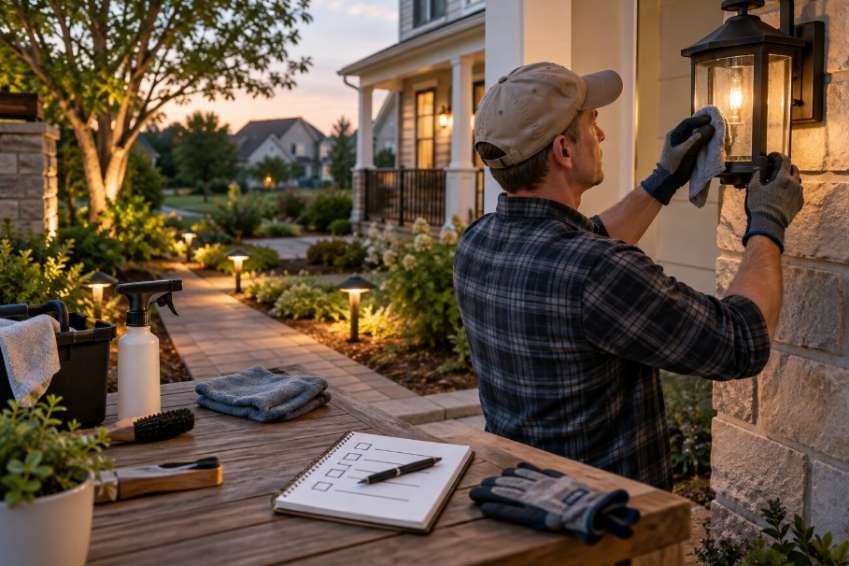
Regular maintenance should remove corrosive residue, keep drainage paths clear, and catch damage early.
A practical routine includes:
- Turn off power before cleaning or inspecting accessible electrical components.
- Wipe lenses and housings with a soft cloth and mild soap when needed.
- Rinse salt or heavy residue with fresh water, especially after windy coastal weather.
- Check mounting hardware, coatings, gaskets, and cable entries for deterioration.
- Keep debris from blocking drainage openings or trapping moisture.
- Redirect irrigation that repeatedly sprays directly onto fixtures.
Avoid aggressive cleaners and abrasive pads that can damage finishes.
Know When Corrosion Has Gone Too Far
Surface discoloration does not automatically mean a fixture needs replacement. A patina on brass or copper can be normal, while minor oxidation on coated aluminum may be manageable if the underlying material remains sound.
Warning signs include pitting, cracked housings, loose mounting points, damaged threads, failing seals, exposed conductors, or unreliable electrical contacts. At that stage, cleaning is no longer the solution. When deciding when to repair versus replace an LED fixture, consider whether damage is limited to a replaceable component or has compromised the housing, electrical integrity, or weather resistance.
Small Installation Choices Matter
Good installation prevents avoidable trouble. Use compatible fasteners instead of mixing metals without considering galvanic corrosion. Keep connections protected from standing water, provide sensible drainage, and avoid burying components that are not designed for burial.
Placement matters too. A light beneath a gutter, beside a sprinkler head, or in a low spot that stays wet will experience harsher conditions than an identical fixture in a sheltered, well-drained location. Sometimes the best corrosion prevention is giving water fewer opportunities to sit.
Frequently Asked Questions
1. What material is best for outdoor lighting?
Solid brass and copper are strong choices, while 316 stainless steel is useful for hardware and coastal environments. Composite fixtures can also avoid metal corrosion.
2. Does powder-coated aluminum prevent corrosion?
It can slow corrosion while the coating remains intact. Scratches, chips, and damaged edges should be addressed promptly because exposed aluminum can oxidize.
3. Does dielectric grease stop outdoor lighting corrosion?
It can help protect suitable electrical contacts and seals from moisture, but it is not a substitute for properly rated connectors, sealed wiring, or a weather-resistant fixture.
4. How often should outdoor lights be checked?
Inspect them periodically. Coastal, humid, or heavily irrigated locations deserve more attention. Look for residue, damaged finishes, loose hardware, moisture, and electrical deterioration.
The Maintenance Habits Worth Keeping
The most reliable outdoor lighting systems are rarely the ones that receive attention only after a fixture stops working. They are built from suitable materials, installed with compatible hardware, protected at electrical connections, and checked often enough for problems to stay manageable. Corrosion prevention is less about finding one perfect product and more about reducing repeated exposure to moisture, salt, and contaminants.
A few minutes of inspection can save a fixture or connection. Keep water moving away, keep corrosive residue off the surface, and replace compromised parts before they become bigger failures. That simple discipline is what helps outdoor lights keep doing their job year after year.