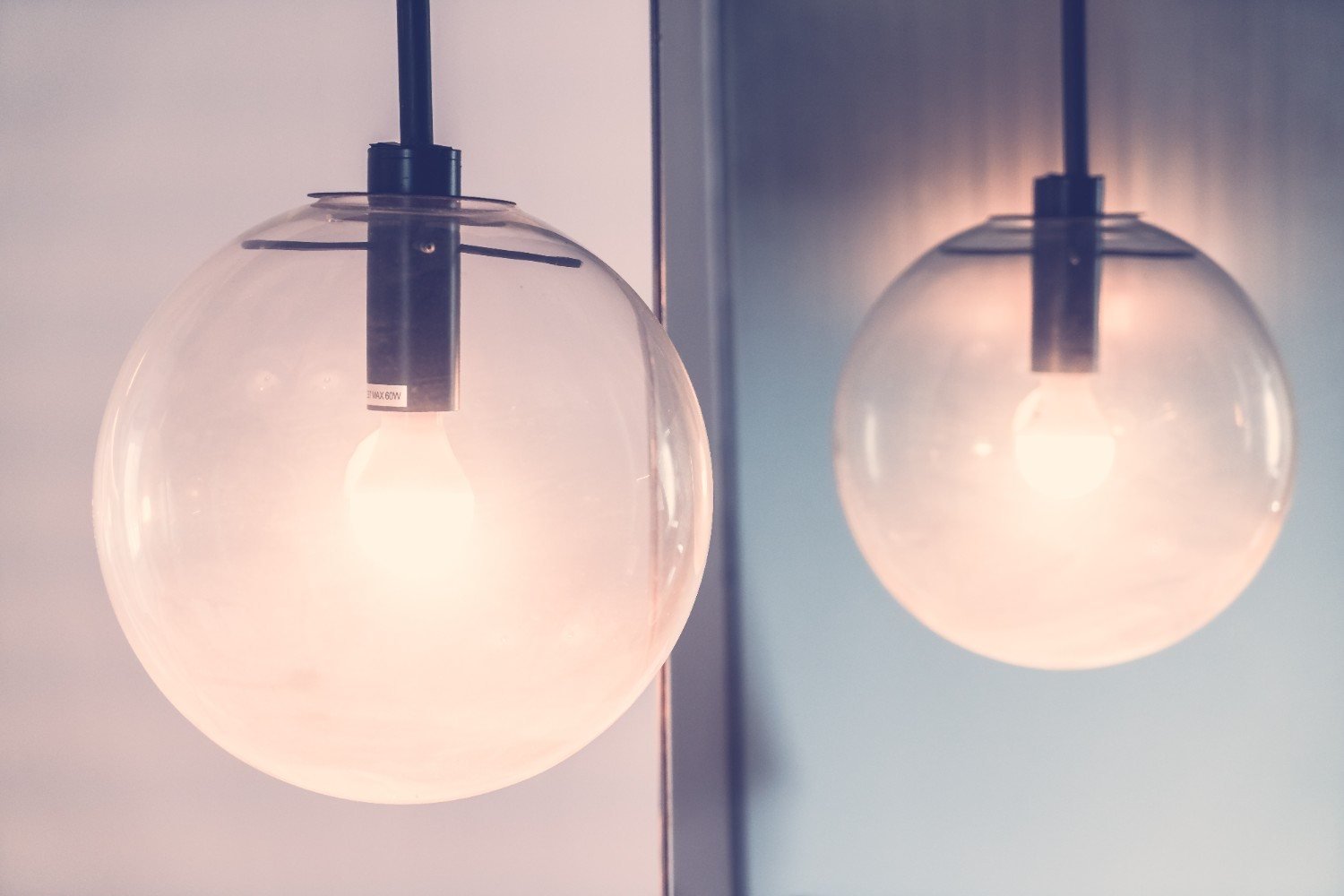
Two LED bulbs can have the same brightness and color temperature yet make the same room look surprisingly different. I noticed this most clearly with everyday colors: a wood countertop looked richer under one bulb, food appeared fresher, and skin tones looked more natural in the mirror. The difference was not the wattage or lumen output. It was the CRI rating.
When I compare CRI 80 vs CRI 90 LED lighting, I think beyond the numbers printed on the package. CRI, or Color Rendering Index, affects how accurately a light source reveals colors, and that difference can influence everything from kitchen finishes and artwork to clothing and skin tones. CRI 80 is generally suitable for everyday illumination, while CRI 90 offers greater color fidelity where visual quality matters.
So, is CRI 90 actually worth choosing over CRI 80? The answer depends on where you install the lights, how important accurate colors are in that space, and whether better color rendering justifies the potential difference in cost and efficiency. In this guide, I’ll break down those differences so you can choose the right LED lighting for each area of your home.
What Is CRI and Why Does It Matter in LED Lighting?
The Color Rendering Index is one of the most important measurements of LED light quality. While lumens tell you how bright a bulb is and Kelvin tells you whether the light appears warm or cool, CRI tells you how realistic colors look under that light.
As homeowners explore advanced options like smart lighting without cloud connection, understanding lighting quality measurements such as CRI becomes even more important because better control features do not replace the need for accurate color reproduction.
A bulb with a lower CRI may still provide plenty of brightness, but some colors can appear less accurate. Reds may look weaker, skin tones may appear less natural, and materials such as wood, fabrics, and artwork may lose some of their original appearance.
Most residential LED bulbs in the US have a CRI rating of 80 or higher, which is considered good for general lighting. However, CRI 90+ lighting provides a more accurate and vibrant color experience, especially in spaces where appearance matters.
CRI 80 vs CRI 90 LED Lighting: Understanding the Real Difference
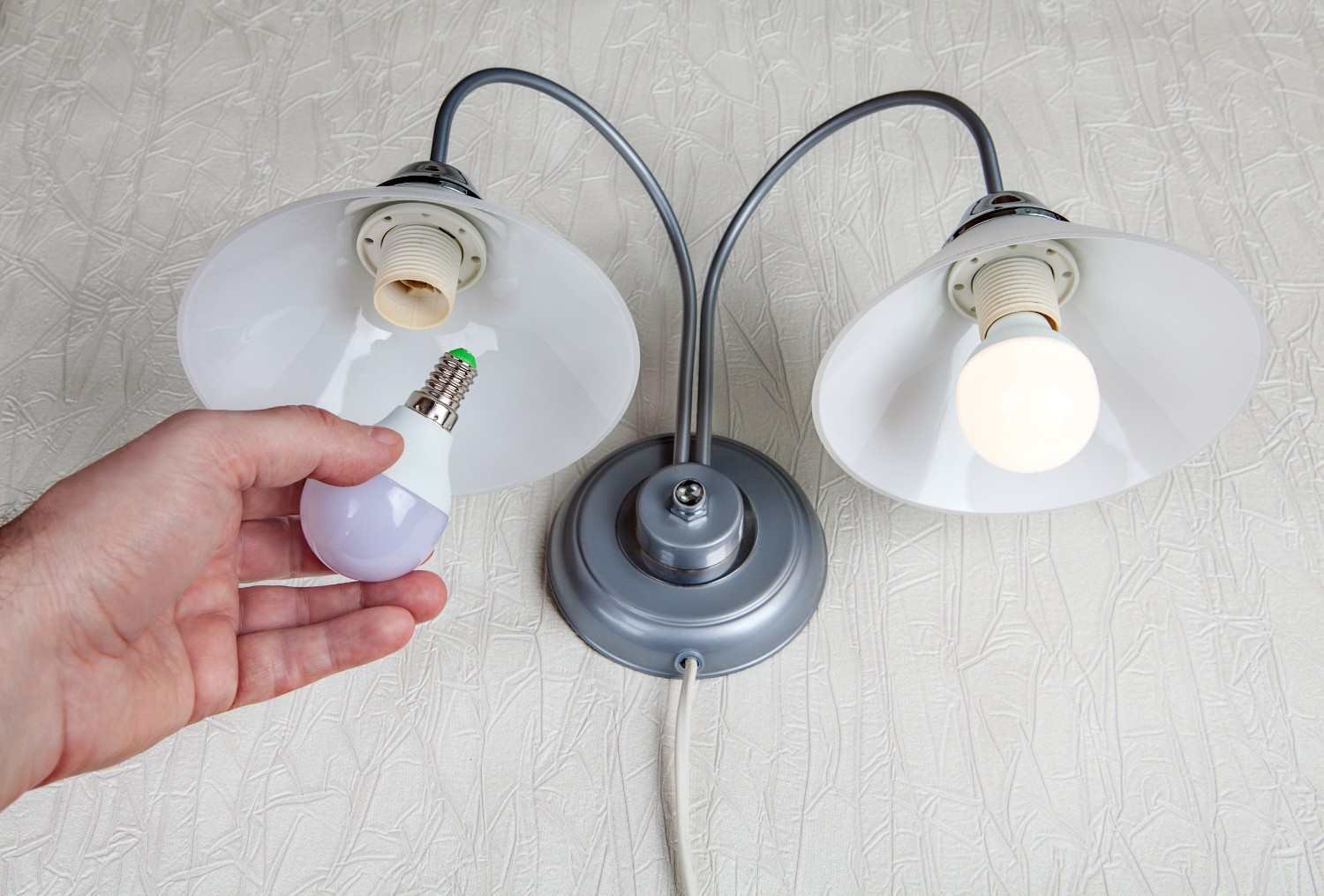
The main difference between CRI 80 and CRI 90 comes down to color accuracy.
CRI 80 LED bulbs are designed to provide efficient everyday lighting. They produce good overall illumination and are commonly used throughout homes, offices, garages, and outdoor areas.
CRI 90 LED bulbs take color accuracy a step further. They use improved LED technology to reproduce colors more naturally, making rooms feel warmer, more detailed, and closer to how they appear under sunlight.
| Feature | CRI 80 LED Lighting | CRI 90 LED Lighting |
| Color Accuracy | Good for everyday lighting, but some colors may appear slightly less accurate | Excellent color reproduction with more natural-looking results |
| Energy Efficiency | Usually provides slightly higher lumens per watt | Slightly lower efficiency due to additional color-enhancing phosphors |
| Cost | More affordable and widely available | Costs more because of advanced LED technology |
| Best Applications | Hallways, garages, closets, utility rooms, outdoor areas | Kitchens, bathrooms, bedrooms, art spaces, retail displays |
The difference may seem small on paper, but it becomes easier to notice when comparing both bulbs in the same room.
Why R9 Value Matters When Choosing High CRI LED Lighting
One of the biggest differences between standard and premium LED lighting comes from how well the bulb handles red colors.
Traditional CRI calculations are based on several test colors, but deep red performance is measured separately through the R9 value. This matters because red tones strongly influence how we see skin, food, flowers, wood finishes, and warm interior materials.
A CRI 80 bulb may meet basic standards but still struggle with deeper reds. This can make a dining room feel less inviting or make fresh food appear slightly less appealing.
A CRI 90 bulb generally performs better in these areas because it provides improved red rendering. This creates more realistic skin tones, richer furniture colors, and a more comfortable atmosphere.
Does CRI 90 Use More Energy Than CRI 80?
Many homeowners assume a higher CRI automatically means higher energy consumption, but the relationship is more complicated.
CRI 80 LEDs often achieve slightly better efficiency because their design prioritizes maximum light output. CRI 90 LEDs require additional phosphor technology to improve color quality, and these materials can slightly reduce overall light efficiency.
However, the difference in electricity use is usually small compared with the improvement in visual quality. For many homes, choosing a slightly higher wattage CRI 90 bulb can provide both excellent brightness and better color accuracy.
Where Should You Use CRI 80 LED Lighting?
CRI 80 remains an excellent choice for areas where color accuracy is not a major priority.
I would consider CRI 80 bulbs for spaces such as:
- garages
- laundry rooms
- hallways
- storage areas
- outdoor security lighting
- utility rooms
These areas mainly require reliable illumination, and the lower price makes CRI 80 a practical option.
Where Is CRI 90 LED Lighting Worth It?
For rooms where you spend more time or where colors influence your experience, CRI 90 is usually the better investment.
In kitchens, high CRI lighting helps food appear fresher and makes countertops, cabinets, and backsplashes look closer to their original colors.
In bathrooms, CRI 90 bulbs provide more accurate skin tones, which is especially helpful around mirrors and vanity areas.
For bedrooms and living rooms, CRI 90 can enhance furniture, artwork, fabrics, and decorative finishes. It creates a more premium appearance without requiring a major lighting redesign.
CRI vs Lumens vs Kelvin: What Should You Look For?
When buying LED bulbs, I recommend checking more than just brightness.
Lumens measure how much light a bulb produces. A higher lumen rating means a brighter bulb.
Kelvin measures color temperature. Lower Kelvin values, such as 2700K, create a warm white glow, while higher values create cooler, daylight-like lighting.
CRI measures color accuracy.
A good LED choice balances all three factors. For example, a warm white 3000K CRI 90 bulb can create a comfortable and realistic environment in a kitchen, while a bright CRI 80 bulb may work perfectly in a garage.
Is CRI 90 Worth Paying More For?
For me, the answer depends on the room. I would not replace every bulb in my home with CRI 90 lighting because some areas simply do not need that level of color accuracy. However, understanding the color rendering index helps me choose where premium lighting makes the biggest difference.
For important living spaces where I notice colors every day, the upgrade is worthwhile. If you are designing a new kitchen, updating bathroom lighting, improving a home office, or highlighting interior design features, CRI 90 provides a noticeable improvement. For basic lighting needs, CRI 80 remains a reliable and affordable choice.
Frequently Asked Questions About CRI 80 vs CRI 90 LED Lighting
1. Is CRI 90 better than CRI 80 for home lighting?
Yes. CRI 90 provides better color accuracy and makes objects appear more natural, especially in rooms where colors and details matter.
2. Can people actually see the difference between CRI 80 and CRI 90?
Many people can notice the difference when comparing bulbs side by side. The change is most visible with skin tones, food, fabrics, and wood surfaces.
3. Should kitchen lights have CRI 90?
Yes. Kitchens benefit from CRI 90 because accurate colors help food, countertops, and finishes look more realistic.
4. Does a higher CRI LED bulb mean it is brighter?
No. CRI measures color quality, not brightness. Lumens determine how much light a bulb produces.
Final Thoughts on Choosing the Right LED Color Quality
After comparing different LED options, I have found that the best lighting choice is not always the bulb with the highest specifications. It is the one that matches the purpose of the room.
CRI 80 works well for everyday spaces where efficiency and affordability matter. CRI 90 is the better choice when I want my home’s colors, textures, and finishes to look their best.
Choosing the right balance between CRI, brightness, and color temperature can completely change how a room feels. For spaces where comfort and appearance matter, investing in better color rendering can make a noticeable difference.








One thought on “CRI 80 vs CRI 90 LED Lighting: What Your Eyes Actually Notice”