
A staggering percentage of holiday home fires involve decorative lighting, with overloaded extension cords and damaged wiring sitting near the top of the risk factor list. Beyond the safety hazard, nothing ruins a carefully designed festive display faster than a tangled web of black and green wires trailing down your siding or snaking across your living room floor.
Learning how to hide Christmas light cords isn’t just about polishing your seasonal aesthetic—it is a practical engineering problem that balances visual camouflage with electrical safety. By strategically leveraging your home’s existing architecture, using the right mounting hardware, and matching cord profiles to your surfaces, you can create a seamless, professional-grade light display that looks clean by day and brilliant by night.
The Physics of Camouflage: Strategic Concealment
Executing a flawless holiday display relies on two primary principles: visual continuation and physical routing. Instead of running cords across open, high-visibility surfaces, the goal is to align every wire with structural shadows, install LED lights correctly, recess lines, or natural architectural boundaries.
Architectural Alignment vs. Surface Crossing
When a light cord crosses a flat plane—like a smooth interior wall or an open patch of vinyl siding—the human eye immediately detects the disruption in texture and color. Routing the cord along existing linear breaks, such as baseboards, crown molding, door frames, or roof fascias, allows the wire to blend directly into the home’s design.
To maintain electrical safety while keeping wires hidden, always adhere to the standards outlined by the National Electrical Code (NEC), which governs safe temporary wiring and outdoor outlet usage.
Outdoor Light Management: Taming Exterior Wires
Outdoor environments present tough challenges: uneven textures, rain, freezing temperatures, and high visibility during daylight hours. Hiding exterior power cables requires specialized hardware and smart color selection.
Routing Along Rooflines and Gutters
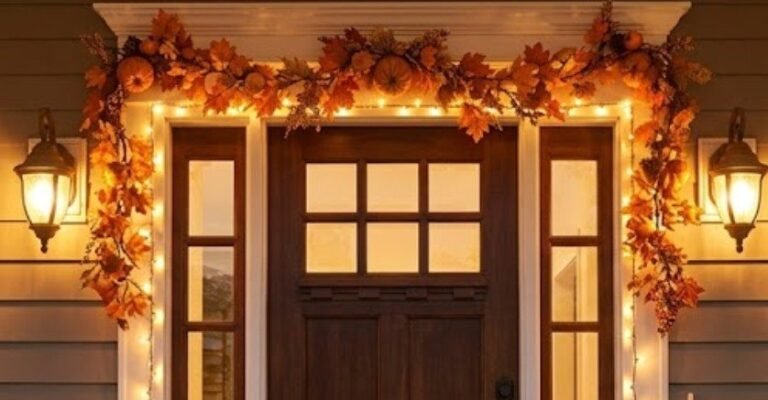
- Tuck into Siding and Trim Gaps: Siding panels and fascia boards often have small structural gaps along their undersides. Gently tucking thin extension cables into these natural recessed channels completely shields them from street view.
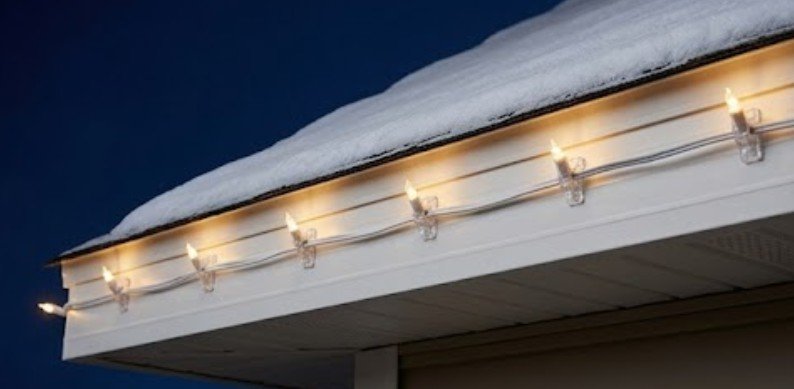
- Back-Gutter Clipping: Rather than snapping light clips to the front edge of a gutter, attach them along the interior back lip or beneath the soffit. This keeps the main power feed hidden behind the metal fascia while projecting the illumination forward.
Ground-Level Camouflage for Pathways and Lawns
Powering lawn ornaments, troubleshooting outdoor lights after rain, lighted trees, or pathway stakes usually requires running heavy-duty cables across open grass or mulch beds.
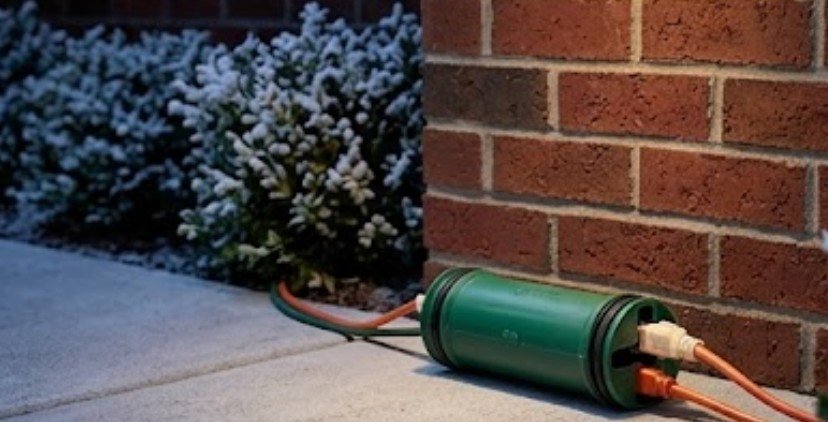
- Match the Landscape Color: Switch out standard orange extension cables for forest green cords across turf, or dark brown cords across soil and bark mulch.
- Anchor Below the Blade Line: Use U-shaped landscape wire staples to anchor power cords flat against the soil. Pressing the wire below the blade line of the grass prevents trip hazards and keeps the cord invisible from a standing perspective.
Protecting Weatherproof Connections
Thick plastic wrap and electrical tape are poor insulators against moisture and often create unsightly bulky lumps along your line. Secure every outdoor plug connection inside a dedicated, gasket-sealed enclosure rated for wet locations. Check environmental guidelines from the U.S. Environmental Protection Agency (EPA) on the environmental impact of your energy use for safe outdoor energy and resource management for seasonal installations.
Indoor Cord Management: Disabling Interior Clutter
Indoor displays require a refined touch, as guests view these spaces up close under direct lighting.
Baseboard and Wall Integration
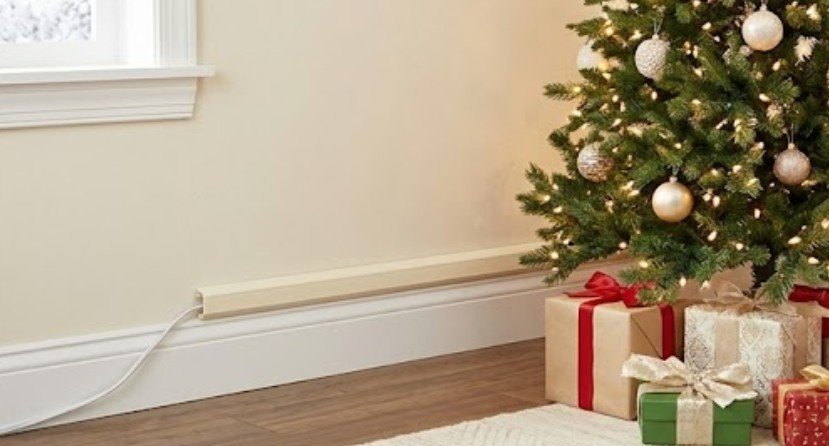
- Adhesive Raceways: Surface-mounted plastic cord channels (raceways) stick directly above baseboards or along door casings. Choose paintable channels and finish them with your existing wall or trim paint to render them almost invisible.
- Clear Command Clips: Clear, removable adhesive clips allow you to route wires along the back edges of mantels, door frames, and window sills without damaging woodwork or drywall paint.
Disguising Christmas Tree and Mantel Power Lines
The centerpieces of indoor holiday decor—the tree and the fireplace mantel—are notorious for messy, dangling power strands.
- Trunk Wrapping: When decorating a Christmas tree, do not let main drop-cords dangle from outer branches. Run the primary power core directly down the center trunk of the tree, securing it to the center post with dark green twist ties before exiting through the tree skirt.
- Decorative Anchor Boxes: Use wrapped, empty gift boxes with discreet pass-through holes cut into the back to store excess power strips, timers, and slack cords at the base of your display.
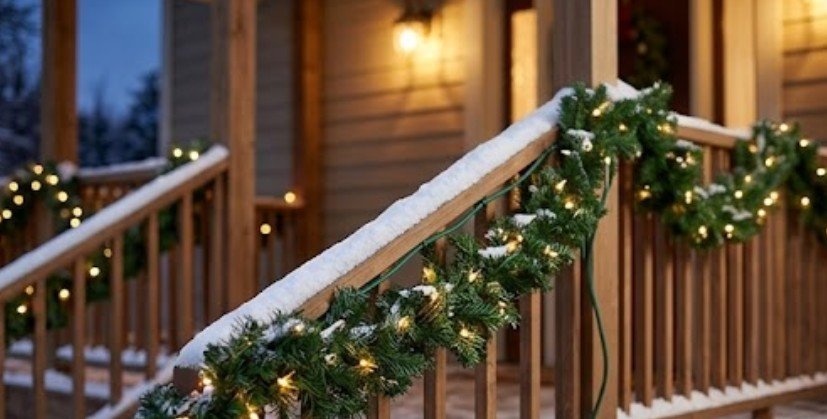
- Hollow Garlands: When decorating mantels or stair banisters, weave extension cords through the core of thick, artificial greenery before mounting. The dense foliage completely swallows the cord profile.
Material Selection: Choosing the Right Gear
Selecting the proper hardware before starting your installation saves time, LED maintenance tips and prevents safety risks.
Wire Gauge and Sheathing Color
Never compromise safety for appearance. For long outdoor runs driving multiple light strings, always select a minimum 16-gauge (16/3) or heavy-duty 14-gauge (14/3) extension cord rated for outdoor use (marked “SJTW”). Using undersized cords causes heat buildup, creating a fire hazard. Review fire prevention safety standards from the U.S. Consumer Product Safety Commission (CPSC) to ensure your decorative setup meets household safety thresholds.
Installation Checklist: Step-by-Step Concealment
Follow this checklist to execute a clean, safe installation:
- Step 1: Map Out Power Outlets
Identify ground-fault circuit interrupter (GFCI) outlets near your display areas. Plan routes that minimize the total distance cords must travel. - Step 2: Measure and Color-Match
Measure your required cord lengths and purchase wires that match the specific backdrop (white for trim, green for lawns, brown for mulch/brick). - Step 3: Test Lights Before Mounting
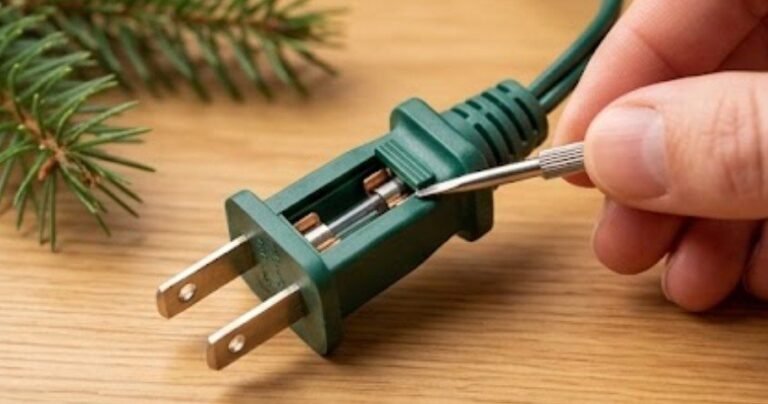
Plug in every light strand and extension cord before securing them into clips or channels to ensure all bulbs and fuses work. - Step 4: Mount Clips and Raceways
Install clear adhesive clips indoors or gutter/siding clips outdoors along your planned structural lines. Avoid using metal staples or nails, which can pierce wire insulation. - Step 5: Route and Secure Slack
Run cords firmly through the hardware, keeping them taut along architectural edges. Secure excess slack inside decorative boxes or behind furniture. - Step 6: Weatherproof Outdoor Junctions
Enclose all outdoor plug connections in water-tight connection covers and keep them elevated off the ground to prevent moisture buildup.
Safety Limitations and Best Practices
While hiding power cables improves your home’s holiday season appearance, safe electrical practices must always come first:
- Never Run Cords Under Carpets or Rugs: Pinching power cords beneath heavy foot traffic destroys wire insulation, creating hidden short circuits and dangerous fire risks. Use heavy-duty, low-profile rubber floor channels if crossing a walkway is unavoidable.
- Avoid Door and Window Pinches: Forcing extension cords through closed window sashes or door jambs breaks the internal copper strands over time. Always pass outdoor feeds through an approved exterior outlet or dedicated weather-sealed pass-through port.
- Do Not Over-Fascinate with Enclosures: Never seal heat-generating transformers or heavy-duty power strips inside airtight, unventilated plastic containers. Always ensure adequate air circulation around multi-plug adapters.
For more guidelines on proper home electrical management and temporary wiring setups. Consult the electrical engineering resources provided by the U.S. Department of Energy (DOE).
Frequently Asked Questions
1. Can I paint my extension cords to match my walls?
No. Paint does not adhere well to flexible PVC insulation and can degrade the jacket over time. Instead, run the cord inside a paintable plastic raceway and paint the raceway itself.
2. How do I safely hide cords crossing a sidewalk or porch path?
Use a heavy-duty, rubberized floor cord protector with sloped edges. This keeps the cable flat, protects the insulation from foot traffic, and prevents dangerous trips.
3. Is it safe to use staple guns to attach light cords to exterior trim?
Never use a standard staple gun. Metal staples easily pierce wire insulation, causing electrical shorts, fire hazards, or shock risks. Use plastic siding or gutter clips instead.
Bringing the Display Together
Mastering how to hide Christmas light cords transforms a chaotic holiday display into a polished, professional showcase. By aligning wires with architectural lines, choosing color-matched cables, using proper clips. Keeping power junctions safe, you eliminate ugly clutter without sacrificing electrical safety. Take the time to map your routes, secure your hardware. Protect your connections—and enjoy a seamless, glowing holiday display all season long.




One thought on “The Invisible Display: How to Hide Christmas Light Cords Indoors and Outdoors”