
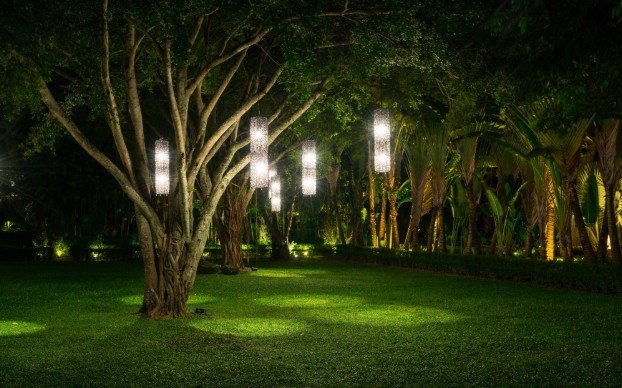
I have always felt that a pergola reveals its full potential after sunset. During the day, it provides shade and architectural character, but carefully positioned lighting can transform it into an inviting outdoor room.
The best outdoor lighting ideas for pergolas combine atmosphere, visibility, and safety rather than relying on one intensely bright fixture. With layered illumination, even a simple structure can support dining, reading, relaxing, and entertaining throughout the evening.
Plan the Lighting Around Your Activities
Before selecting fixtures, decide how you normally use the pergola. A dining area needs focused illumination over the table, while a lounge benefits from softer light distributed around its edges. Cooking zones require brighter task lighting, and steps or uneven surfaces need enough visibility to prevent falls.
Identify the available power source and determine which parts of the structure receive direct rain. Measure the beams, posts, and perimeter before purchasing strings or strips. Planning these details early reduces exposed cables, unsupported spans, dark corners, and unnecessary extension cords.
A successful design normally combines ambient, task, and accent lighting. Ambient fixtures establish general brightness, task lights improve visibility where activities occur, and accent fixtures emphasize posts, plants, or architectural details.
1. Hang Café Lights in Parallel Rows
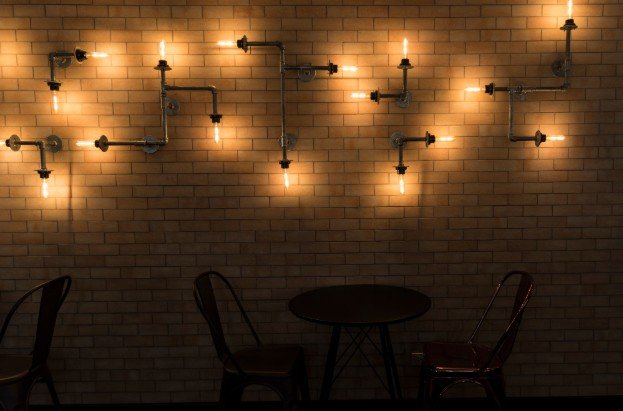
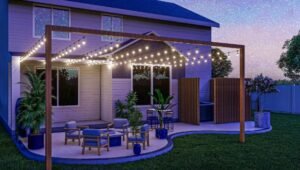
Café lights arranged in straight parallel lines create balanced illumination across a rectangular pergola. This orderly layout complements modern architecture and works particularly well above dining tables. Choose warm bulbs and leave a small, consistent curve between attachment points for a relaxed appearance.
2. Create a Zigzag Canopy
A zigzag arrangement feels more informal and festive. It covers a broad area using one continuous string and creates an attractive pattern when viewed from below. Long spans may need a supporting guide wire to prevent sagging and reduce strain on the electrical cable.
3. Outline the Pergola Perimeter
Running globe lights around the perimeter defines the structure without filling the entire roof with bulbs. This technique creates a gentle border of light and preserves an open view of the sky. It is especially effective in smaller spaces where a full canopy could look crowded.
4. Wrap Fairy Lights Around Posts
Fine fairy lights can emphasize the height and texture of wooden posts. Wrap them evenly and secure them with removable outdoor clips instead of staples that could puncture insulation or damage the structure. This option produces decorative sparkle but should be paired with brighter lighting when visibility matters.
5. Conceal LED Strips Beneath Rafters
Weather-resistant LED strips create a clean, contemporary effect when concealed beneath beams. Positioning the strips out of direct view reduces glare and allows reflected light to wash across the structure. Diffuser channels can make individual diodes less noticeable and give the installation a finished appearance.
6. Add Focused Downlights
7. Center an Outdoor Pendant
A pendant above the dining table visually anchors the furniture and makes the pergola feel like a complete outdoor room. Select a fixture approved for the expected moisture exposure, and position it high enough to preserve conversation sightlines without sacrificing useful light.
8. Install a Statement Chandelier
An outdoor chandelier can become the design centerpiece of a traditional or rustic pergola. The structure must be capable of supporting its weight, especially in windy conditions. Combining the chandelier with subtle perimeter lights prevents the center from appearing bright while the edges remain dark.
9. Mount Sconces on the Posts
Slim sconces provide illumination without occupying overhead space. Up-and-down fixtures can highlight architectural posts while directing useful light toward the floor. Shielded models help control glare and prevent unwanted light from spreading beyond the pergola.
10. Illuminate the Structure From Below
Low-voltage uplights placed near the base of selected posts draw attention to the pergola’s height and construction. Use narrow, controlled beams and avoid aiming fixtures toward seating areas. Two or three carefully positioned uplights usually look more refined than illuminating every post.
11. Cluster Solar Lanterns
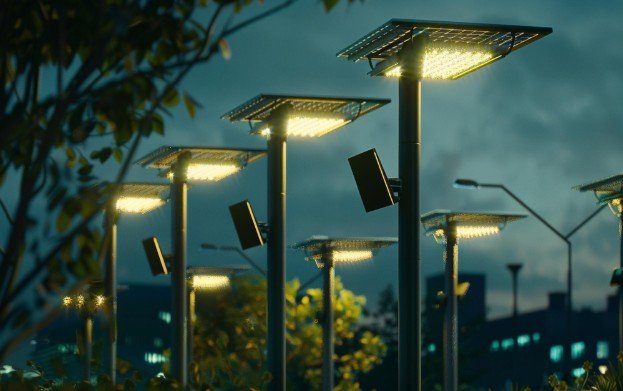
Solar lanterns are helpful when electrical wiring is unavailable. A group suspended at different heights can create a relaxed, artistic focal point. Their performance depends on adequate daily sunlight, so position remote solar panels away from dense shade when the design permits.
12. Use Rechargeable Table Lamps
Portable table lamps provide focused light for meals, drinks, games, or reading. They require no permanent installation and can move whenever the furniture arrangement changes. Select stable, outdoor-suitable seating designs that are unlikely to tip over in a breeze.
13. Introduce Smart RGBW Lighting
Smart RGBW fixtures offer warm white light for ordinary evenings and adjustable colors for parties or seasonal events. App, remote, or voice controls make it easy to change brightness without leaving the seating area. Restrained colors generally produce a more elegant result than constantly animated effects.
14. Add a Ceiling Fan With a Light
A damp- or wet-rated ceiling fan with an integrated light combines air movement and overhead illumination. It works best on reinforced structures with sufficient clearance above tables and walkways. The mounting location, structural support, and electrical connection should follow the manufacturer’s requirements.
15. Brighten Steps and Pathways
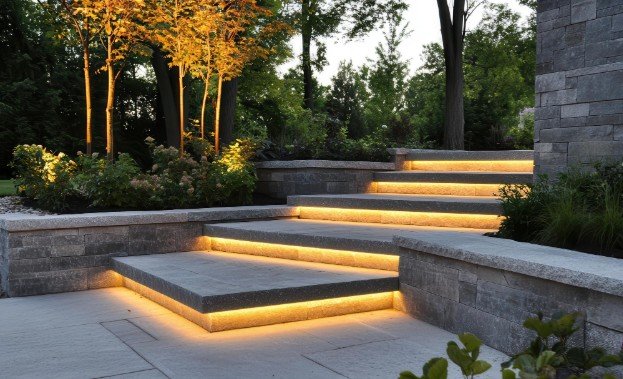
Pergola lighting should extend beyond decoration. Low-level fixtures near steps, entrances, pathways, and changes in elevation help people move through the space safely. Shielded step lights are preferable to harsh floodlights because they reveal walking surfaces without creating uncomfortable glare.
16. Highlight Climbing Plants
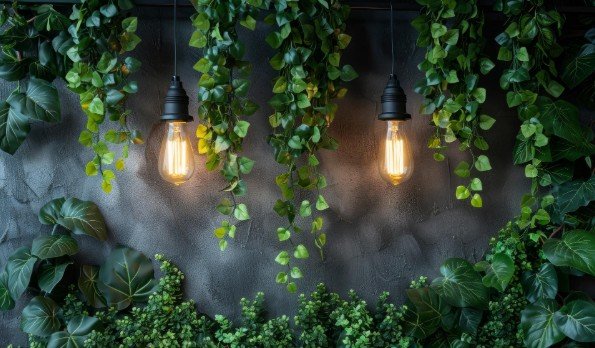
Small accent lights can reveal vines, flowers, and textured foliage growing around the structure. Position fixtures so leaves partially filter the beam, producing soft shadows. Check the installation periodically and adjust cables or clips as plants grow.
17. Layer Several Compatible Fixtures
A polished design might combine café lights for ambient warmth, a pendant over the table, and discreet downlights near steps. Keep the color temperatures reasonably consistent so the fixtures appear connected. Individual controls or dimmers provide greater flexibility and prevent every light from operating at full brightness simultaneously.
Choose the Right Power System
Solar and battery-powered fixtures are flexible but require charging and occasional maintenance. Plug-in products are convenient when a protected outlet is nearby. Low-voltage systems provide dependable illumination with relatively unobtrusive wiring, while hardwired fixtures deliver the most permanent result.
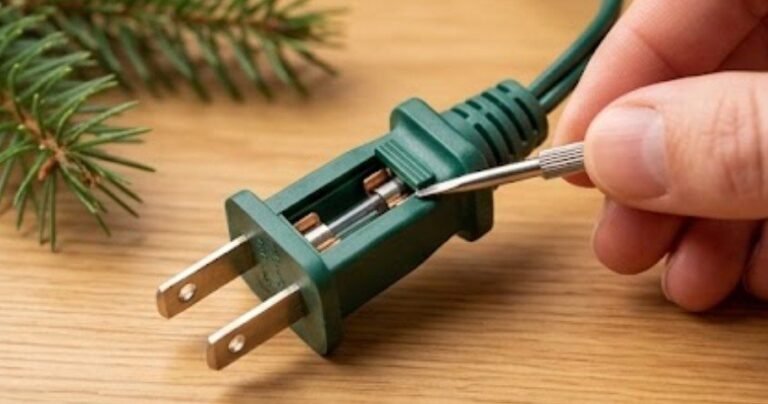
Any product exposed to weather should be approved for outdoor use and suitable for its location. Outdoor electrical connections should be protected from moisture, damaged cords should be replaced, and applicable fixtures should use a GFCI-protected supply. Consult a qualified electrician for new circuits, permanent line-voltage wiring, or installations near pools and water features.
Frequently Asked Questions
1. What are the best outdoor lighting ideas for pergolas?
The most effective outdoor lighting ideas for pergolas combine warm ambient illumination with focused task lighting and low-level safety lights. Café strings, concealed LEDs, pendants, sconces, and step lights can work together without making the area excessively bright.
2. What color temperature works best?
Warm white light around 2700K generally creates a comfortable atmosphere for dining and relaxing. Slightly brighter task lighting may be useful around cooking surfaces, but matching nearby fixtures prevents a disjointed appearance.
3. Can indoor string lights be used under a pergola?
Indoor-only lights should not be used where they may encounter moisture. Select products specifically marked for outdoor use and confirm whether they are intended for seasonal or year-round installation.
4. How can pergola lights be installed without damage?
Use outdoor cable clips, hooks, suspension hardware, or manufacturer-approved mounting channels. Avoid driving staples through electrical cords, and use a guide wire when long strings need additional structural support.
The Final Glow
When I design pergola lighting, I focus first on how the space should function and feel rather than how many fixtures it can hold. A warm overhead glow, a focused light above the table, and subtle illumination near walking areas usually create more impact than one powerful floodlight.
With weather-suitable products, controlled brightness, and thoughtful placement, a pergola can become a comfortable destination long after daylight disappears.



One thought on “Outdoor Lighting Ideas for Pergolas: 17 Bright Choices”