
The way we design home lighting has changed dramatically. I no longer see LED strips as just hidden accent lights behind cabinets or furniture; they have become a major part of modern interior design. But one question continues to come up when planning a clean, minimalist setup: can you achieve a professional glow without adding extra hardware?
A COB LED strip without diffuser makes this possible by creating a smooth, continuous beam of light that avoids the harsh dotted appearance of traditional LED strips.
Unlike older SMD LED technology that often requires a diffuser to hide individual light points, COB strips use tightly packed LED chips and advanced phosphor coating to produce a more uniform appearance. This makes them an appealing choice for homeowners, designers, and DIY enthusiasts looking for seamless LED lighting solutions.
However, choosing whether to install COB lighting without a diffuser depends on more than just appearance. Factors like viewing distance, surface reflections, heat control, and installation location all affect the final result. In this guide, I’ll explain how COB strips perform without a diffuser, where they work best, and what you should consider before installing them in your home.
Why Do COB LED Strips Work Without a Diffuser?
Traditional SMD LED strips use individual LED packages placed at intervals along a circuit board. When these LEDs are exposed, the gaps between each light source create the familiar dotted or pixelated appearance.
COB (Chip-on-Board) LED strips solve this problem by placing hundreds of tiny LED chips directly onto the PCB (A printed circuit board) and covering them with a continuous layer of light-transmitting phosphor material.
This phosphor coating works like a built-in diffuser. Instead of allowing each individual chip to appear as a separate point, it blends the output together into one consistent line of illumination.
This is why COB strips are often marketed as dotless LED strips or seamless LED lighting solutions. The technology itself reduces the need for an external diffuser that is normally used with conventional SMD LED strips.
How Does a COB LED Strip Look Without an External Diffuser?
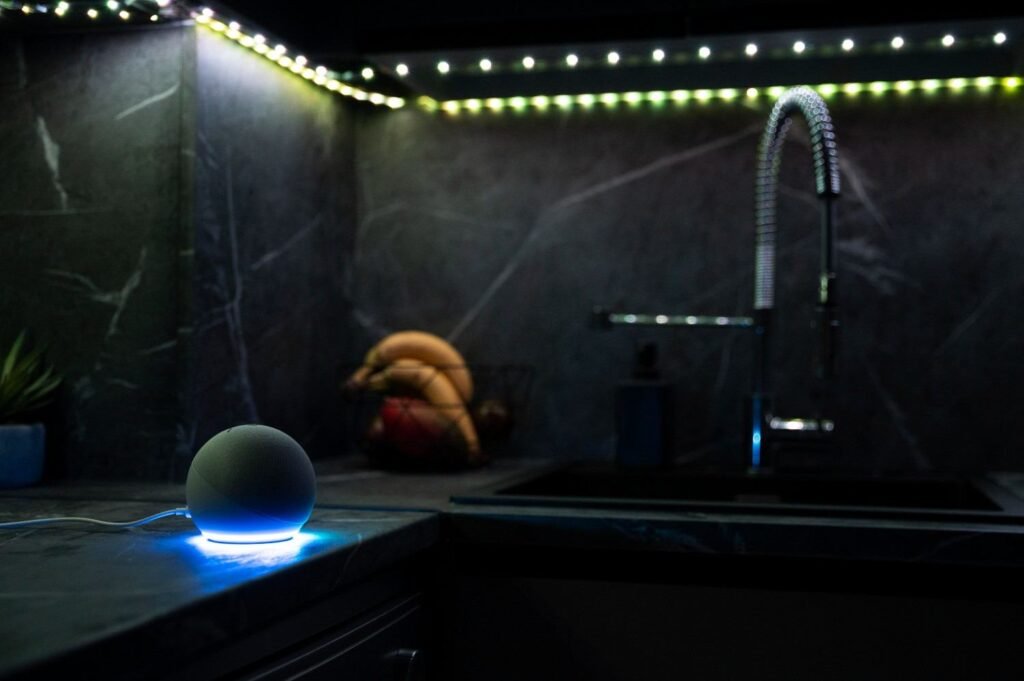
The appearance of a bare COB strip depends heavily on where you install it. For indirect lighting applications, such as behind a cabinet lip, inside a ceiling cove, or underneath a shelf edge, the result is usually extremely smooth.
Since you see the reflected light rather than the strip itself, the illumination appears continuous and professional, creating the same seamless effect expected from a high-quality LED strip light installation.
For direct-view installations, the result depends on LED density. Lower-density COB strips may show slight texture when viewed very closely, while higher-density versions provide a cleaner appearance.
Many premium exposed installations use higher-density COB strips because they maintain a more uniform glow at close viewing distances, making them ideal for visible LED strip light applications where appearance matters.
Reflective surfaces also matter. If you install a bare COB strip above polished marble, glass, mirrors, or high-gloss countertops, you may notice a subtle reflection pattern. It is much less noticeable than traditional SMD hotspots, but highly reflective materials can reveal even small variations in the light output of the LED strip light.
What Are the Benefits of Installing COB LED Strips Without a Diffuser?
One major advantage is maximum light output. A diffuser spreads light, but it can also reduce some of the brightness coming from the LEDs. By eliminating the extra cover, more direct light reaches the surface you want to illuminate.
Another advantage is a cleaner, minimalist design. Without an aluminum channel or diffuser profile, the installation can remain thinner and easier to hide in tight spaces.
A diffuser-free installation works especially well for:
- Under-cabinet kitchen lighting
- Floating shelves
- Stair accents
- Display cabinets
- Cove ceilings
- Entertainment walls
- Architectural details
For homeowners in the US who want modern interiors with hidden lighting effects, COB technology provides a professional appearance without requiring bulky hardware.
Does COB LED Have a Wider Beam Angle Without a Diffuser?
Yes. One of the important advantages of COB technology is its wide light distribution.
A typical COB strip can provide around a 180-degree beam angle, allowing light to spread more evenly compared with many traditional SMD strips. This wider distribution helps create softer illumination and reduces harsh shadows.
For example, a COB strip installed inside a ceiling recess can wash a larger section of the wall or ceiling with consistent brightness. This makes it useful for ambient lighting where the goal is not a focused beam but a comfortable overall glow.
When Should You Still Use a Diffuser With COB LED Strips?
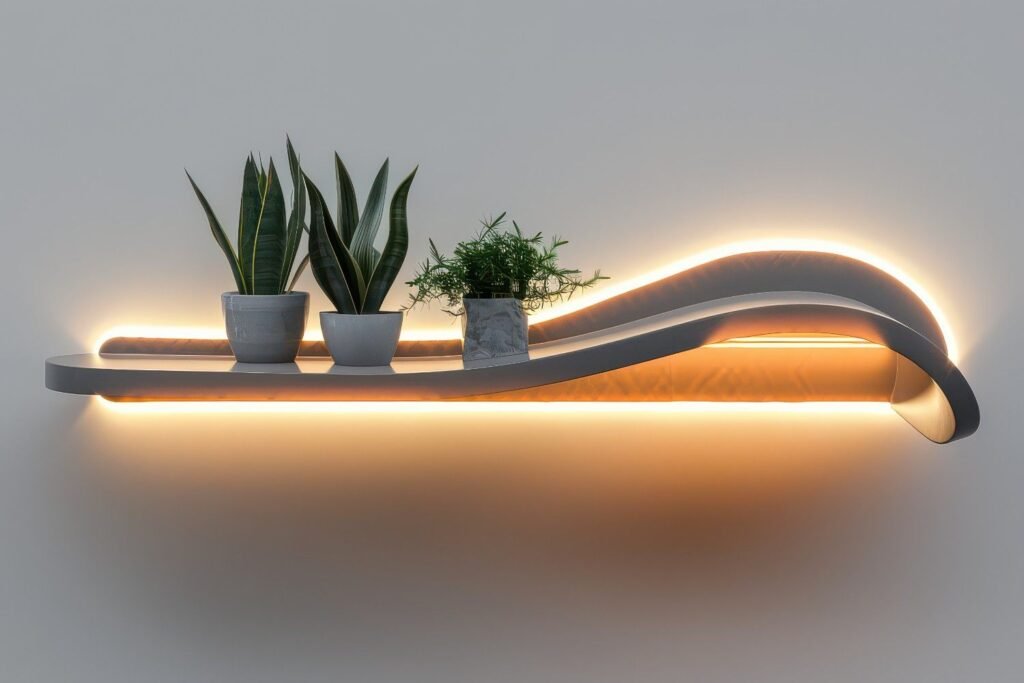
Although COB technology reduces the need for a diffuser, there are situations where I would still recommend using one.
If the strip is directly visible at eye level, a diffuser can improve comfort by reducing glare. This is especially important for areas like open shelves, mirrors, and display lighting where people frequently look toward the light source.
A diffuser is also useful when the installation requires additional protection. Bare COB strips expose the phosphor coating to dust, accidental scratches, and physical contact.
Outdoor applications, humid locations, or high-touch areas often benefit from additional protection through an aluminum channel and suitable cover.
How Should You Install COB LED Strips Without a Diffuser?
The biggest mistake people make with diffuser-free installations is ignoring heat management.
COB strips contain a high concentration of LED chips, which means they can generate significant heat during extended operation. Even when you skip the diffuser, the strip should still be mounted on a surface that helps transfer heat away.
I recommend installing the strip on aluminum, metal trim designed for LED mounting, or another heat-conductive surface whenever possible. This helps protect the adhesive backing and maintain LED performance over time.
You should also avoid attaching the strip directly to raw, unpainted metal surfaces without checking the insulation. Exposed copper connection points can create short-circuit risks if they contact conductive materials.
The phosphor surface should also be handled carefully during installation. Unlike traditional encapsulated LEDs, COB strips have a continuous coated surface that can be damaged by rough handling.
COB vs SMD LED Strip: Which One Should You Choose?

The choice between COB and SMD depends on your lighting goal.
SMD strips are still useful for hidden installations where cost is the priority. However, they usually require a diffuser when the strip is visible because individual LED points can become noticeable. When selecting any LED strip lighting, it is also important to understand what cri is good for home lighting, as a higher color rendering rating can make furniture, finishes, and everyday objects appear more natural.
COB strips are the better option when appearance matters. Their continuous output creates a premium finish that works well for modern homes, retail displays, and architectural lighting.
If you want visible LED strip lighting without seeing individual dots, COB is usually the better choice. Pairing the right strip technology with suitable CRI performance helps create lighting that looks more comfortable, realistic, and visually appealing.
Frequently Asked Questions About COB LED Strip Without Diffuser
1. Can I install a COB LED strip without a diffuser?
Yes, many homeowners install COB strips without covers because the phosphor coating already creates smooth, dot-free illumination. The best results come from choosing the correct strip density and installation location.
2. Will a COB LED strip without diffuser look completely invisible?
A COB LED strip without a diffuser can appear almost like a continuous line of light, especially in indirect installations. However, very close viewing or reflective surfaces may reveal slight patterns.
3. Do COB LED strips need an aluminum channel?
Not always, but an aluminum channel improves heat dissipation and provides physical protection. It is especially helpful for high-power strips or long operating periods.
4. Are COB LED strips better than SMD strips?
COB strips are generally better for visible lighting applications because they provide seamless illumination. SMD strips remain useful for budget-friendly hidden lighting projects.
Final Thoughts
After comparing different LED strip technologies, I believe COB lighting has made diffuser-free installations much more practical for modern homes. A COB LED strip without a diffuser can deliver the clean, continuous glow that many homeowners want without the extra thickness of traditional covers.
Still, the best lighting design depends on the environment. Hidden accent lighting may look perfect without any diffuser, while exposed installations near reflective surfaces may benefit from additional protection.
By considering viewing distance, heat management, surface type, and LED density, you can create seamless LED lighting that looks professionally designed and lasts for years.