
I have seen many homeowners upgrade to energy-efficient LED lighting only to notice an unexpected problem: the bulb works perfectly when it is bright, but starts flashing, pulsing, or buzzing when the dimmer is lowered. This issue can be frustrating, especially when you expect modern LED technology to provide smoother control.
The reason behind this problem is usually not the LED itself. It often comes down to the relationship between the bulb, the dimmer switch, and the electronic components inside the bulb. Unlike traditional incandescent lights, LEDs need carefully regulated electrical current. When the dimmer cannot provide the right type of power, the result is unstable brightness.
Understanding why dimmable LED bulbs flicker at low brightness starts with knowing how LED bulbs and dimmer switches work together.
Why Do Dimmable LED Bulbs Flicker When Dimmed Low?
LED bulbs do not reduce brightness by simply lowering voltage like older incandescent bulbs. Instead, they use an internal component called an LED driver. The driver converts household AC power into the controlled DC needed by the LED chips.
When you lower the dimmer, the switch changes the electrical waveform reaching the bulb. If the LED driver cannot properly interpret that signal, it may struggle to maintain consistent current. The LED chips then receive uneven power, causing visible flickering.
This problem becomes more noticeable at lower brightness levels because the driver is operating close to its minimum power range. At full brightness, the system usually has enough electrical energy to remain stable.
LED flicker can also appear as a stroboscopic effect because LEDs respond very quickly to changes in current. Unlike incandescent bulbs, which have a slower-heating filament that naturally smooths out fluctuations, LEDs immediately reflect changes in electrical input.
Is Your Dimmer Switch Compatible With Your LED Bulb?
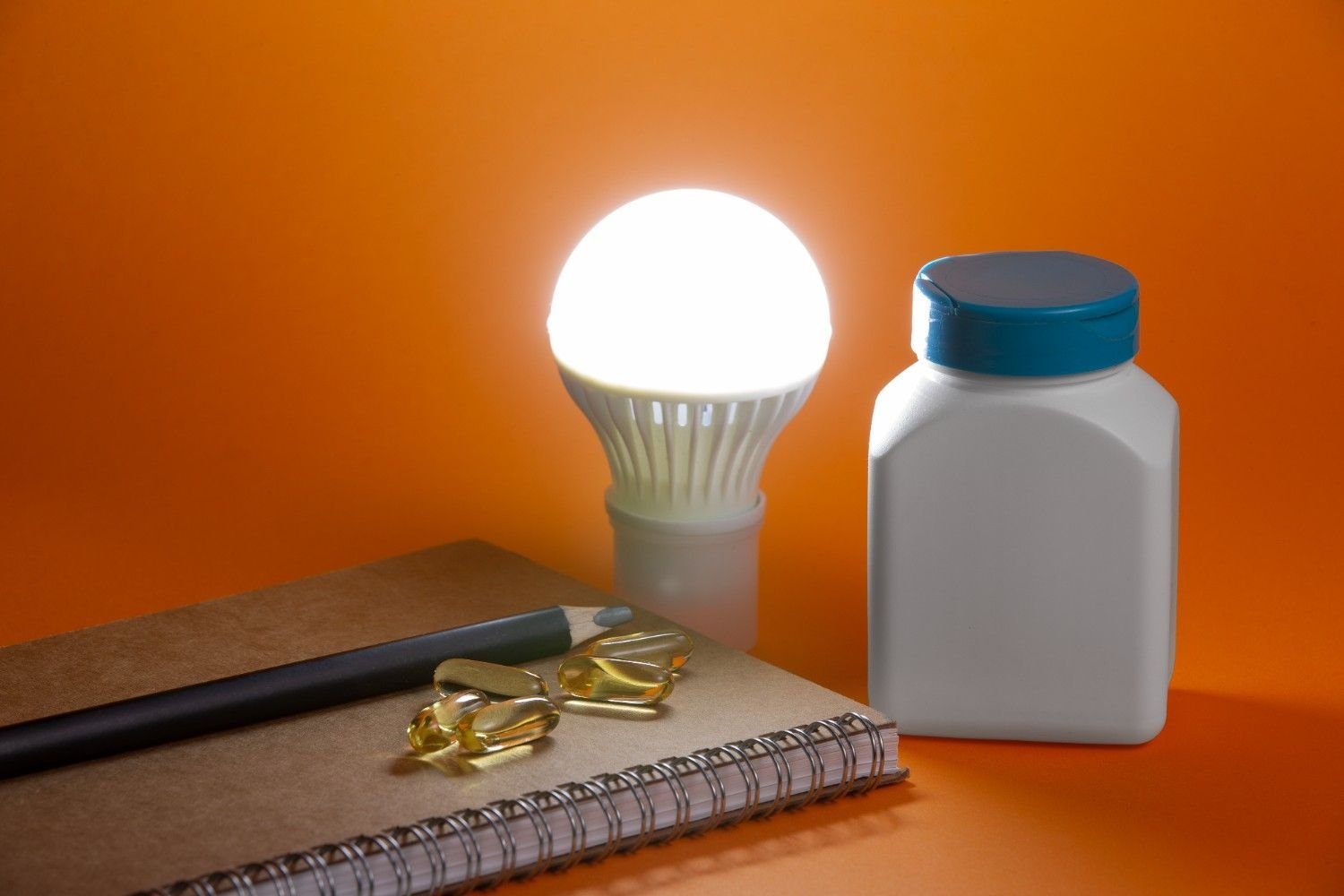
One of the biggest causes of LED bulb flickering when dimmed is using a dimmer switch that was designed for incandescent lighting.
Older dimmers were created for high-wattage bulbs. A typical incandescent bulb may use 60 watts or more, while an LED equivalent may only consume 8 to 12 watts. This difference can create compatibility issues because many traditional dimmers require a minimum electrical load to operate correctly.
For example, a dimmer may need 20 to 60 watts of load to function properly. A few efficient LED bulbs may not reach that requirement, especially when they are dimmed. When the electrical load becomes too low, the dimmer may send unstable power signals, causing LED lights to flicker at low levels.
Installing a compatible LED dimmer switch is often the easiest solution. LED-rated dimmers are designed specifically for low-wattage electronic lighting systems and provide smoother control.
How Leading-Edge and Trailing-Edge Dimmers Affect LED Flicker
Many homeowners do not realize that dimmer technology matters. Not all dimmers control electricity in the same way.
Leading-edge dimmers are older designs commonly used with incandescent and halogen bulbs. They work by cutting off the beginning portion of the AC waveform. While effective for traditional bulbs, this method can create problems for some LED drivers.
Trailing-edge dimmers are generally better suited for LEDs because they provide smoother power control and are designed to work with electronic loads.
When an incompatible dimmer is paired with an LED bulb, the driver may repeatedly attempt to start and stabilize. This can create flickering, buzzing sounds, sudden brightness jumps, or limited dimming range.
Can LED Driver Problems Cause Flickering?

Yes. The LED driver plays one of the most important roles in preventing flicker.
Inside every quality dimmable LED bulb is a driver that regulates electrical current. Lower-quality drivers may not handle reduced power levels effectively. The electronic behavior of an LED can also resemble negative resistance under certain operating conditions, making proper current regulation especially important. When the dimmer reduces the electrical signal too much, the driver may not receive enough energy to maintain stable operation.
The result can include:
- Flickering at certain brightness levels
- The bulb turning off before reaching minimum brightness
- Buzzing noises
- Uneven dimming performance
A higher-quality LED bulb usually contains better driver components that can handle a wider dimming range.
Why Does My LED Flicker Only at the Lowest Brightness Setting?
Many dimmable LED bulbs have a minimum brightness threshold. A bulb might be designed to dim smoothly down to 10% or 20%, but lowering the dimmer beyond that point may push the electronics beyond their intended operating range.
At extremely low settings, the driver may struggle to maintain continuous current. Instead of producing steady light, it may repeatedly cycle on and off, creating visible flicker.
This is why some LED bulbs appear normal at medium brightness but start flashing near the bottom of the dimmer range.
How to Stop LED Bulbs From Flickering When Dimmed
The first step is to check whether your bulb and dimmer are designed to work together. A bulb labeled “dimmable” does not automatically mean it works with every dimmer switch.
Replacing an older incandescent dimmer with an LED-compatible model is often the most effective solution. Many modern LED dimmers also include a low-end trim adjustment that allows you to set the minimum brightness level and prevent the dimmer from entering the unstable flicker zone.
If the problem continues, try replacing the bulb with a higher-quality dimmable LED model. Manufacturers often provide compatibility charts showing which bulbs work best with specific dimmer switches.
You should also inspect your electrical connections. Loose wiring, voltage fluctuations, or circuit problems can contribute to inconsistent LED performance. If multiple lights throughout your home flicker or you notice heat, burning smells, or electrical noises, it is best to contact a licensed electrician.
Are Flickering LED Lights Dangerous?

In most cases, flickering caused by dimmer incompatibility is not an immediate safety concern. However, continuous electrical stress can reduce the lifespan of both the bulb and dimmer.
Persistent flickering may also indicate poor-quality components or electrical issues that should not be ignored. Choosing properly matched lighting components helps improve performance, efficiency, and reliability.
Frequently Asked Questions (FAQs)
1. Why do dimmable LED bulbs flicker at low brightness?
Dimmable LED bulbs usually flicker at low brightness because of dimmer incompatibility, insufficient electrical load, LED driver limitations, or the bulb reaching its minimum dimming threshold.
2. Do LED bulbs need special dimmer switches?
Yes. LED bulbs typically require dimmers designed for low-wattage electronic loads. Older incandescent dimmers may cause flickering, buzzing, or poor dimming performance.
3. Why do my LED lights flicker only when dimmed?
LED lights often flicker only when dimmed because the driver receives less power and may struggle to maintain stable current at lower brightness levels.
4. How can I fix LED dimming problems?
Start by checking bulb compatibility, replacing outdated dimmers, adjusting the dimmer trim setting, and using high-quality LED bulbs designed for smooth dimming.
Final Thoughts
When I troubleshoot LED lighting issues, I always look at the entire system instead of blaming the bulb immediately. The bulb, dimmer, and driver must work together to create stable lighting. Just like selecting the right components for an LED installation requires careful planning, tools such as an led strip power supply size calculator can help determine the correct power requirements for efficient and reliable lighting setups.
Once you understand why dimmable LED bulbs flicker at low brightness, the solution becomes much easier. In most homes, the fix involves choosing the right LED-compatible dimmer, using quality bulbs, and ensuring every component is designed to work together.
Modern LED lighting can deliver excellent efficiency and flexibility, but compatibility is the key to getting smooth, flicker-free dimming.






One thought on “Why Dimmable LED Bulbs Flicker at Low Brightness: Causes and Fixes”