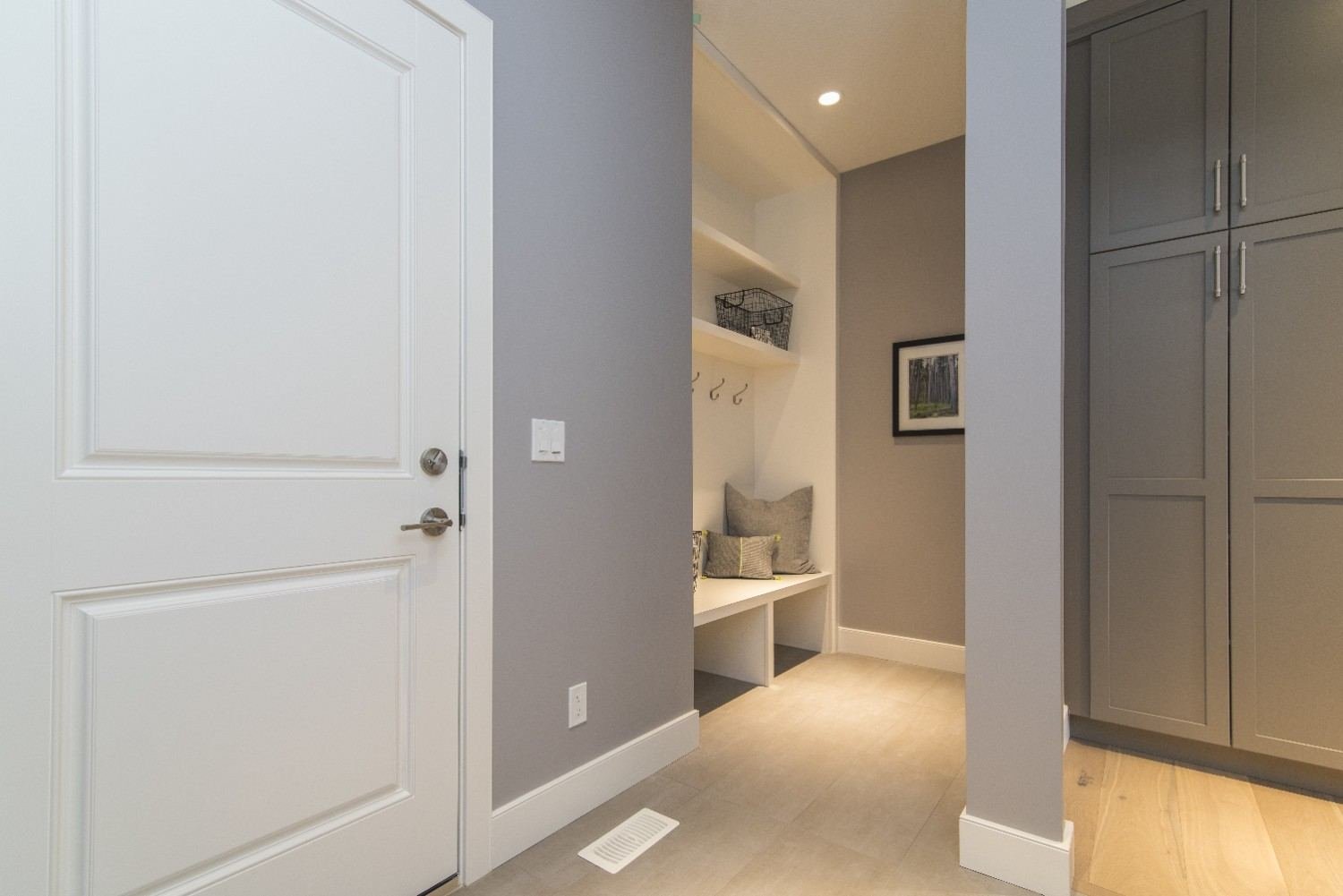
A hallway can feel completely different once the sun goes down. During the day, it is just a passage between rooms. At night, it can turn into a dark stretch where I am trying to find a switch, avoid furniture, or move quietly without flooding the house with bright overhead light.
That is why I started paying more attention to motion sensor LED lights for hallway spaces. Instead of treating hallway lighting as something that stays on or off, these lights respond to movement and provide illumination only when it is actually needed. For homes across the US, that makes them especially useful in bedroom corridors, stairways, entry areas, apartments, and other spaces where convenience and nighttime visibility matter.
What I like most is the flexibility. A renter can use rechargeable stick-on light bars without touching the wiring, while a homeowner can choose plug-in night lights, wireless ceiling fixtures, or permanent hardwired options. The right setup can make a hallway safer, reduce unnecessary electricity use, and remove one of those small frustrations that tends to happen every single day.
Why Are Motion Sensor Hallway Lights a Smart Choice for Homes?
Hallways are some of the most frequently used areas in a house, yet they are often overlooked during lighting upgrades. Unlike kitchens or offices, hallways usually do not need constant illumination throughout the day.
Motion sensor lighting solves this problem by activating only when movement is detected. A built-in sensor recognizes activity, turns the LED light on, and switches it off after a preset period of inactivity. When choosing LED solutions, I also pay attention to compatibility and performance because issues such as dimmable LED bulbs flickering at low brightness can affect the overall lighting experience in a home.
I find this especially useful because it eliminates small daily problems. There is no need to search for a wall switch in darkness, and family members are less likely to leave lights running for hours.
These lights work particularly well in:
- Residential hallways
- Stairways
- Bedroom entrances
- Apartment corridors
- Entryways
- Closets connected to hallways
Motion sensors are commonly used for lighting control because they allow lights to operate only when an area is occupied, reducing unnecessary energy consumption.
How Do Motion Sensor LED Hallway Lights Work?
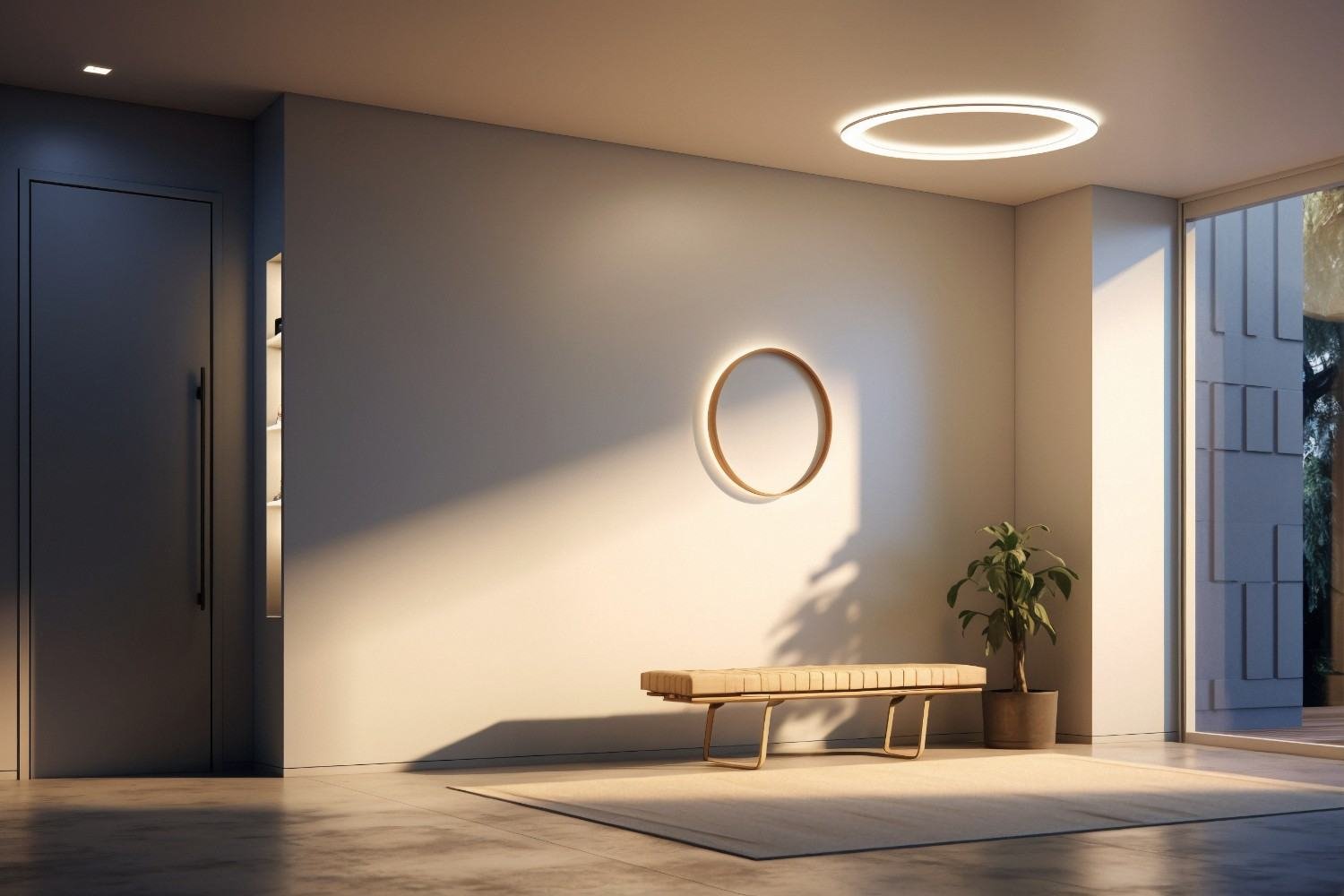
Most indoor motion sensor lights use a PIR motion sensor, which detects changes in infrared heat caused by movement. When a person enters the detection area, the sensor signals the LED fixture to turn on.
After movement stops, the light remains active for a set amount of time before automatically turning off.
Many modern models allow homeowners to adjust:
- Detection sensitivity
- Lighting duration
- Brightness level
- Day and night activation settings
Some advanced options also connect with smart home lighting systems, allowing automation through apps or voice assistants.
For example, a hallway light can be programmed to activate only during nighttime hours instead of turning on during daylight when natural light is already available.
Which Type of Motion Sensor Hallway Light Is Best for Your Home?
The best option depends on where you want to install the light, whether you rent or own your home, and how much installation work you want to handle.
Plug-In Night Lights: Best for Simple Installation
Plug-in hallway night lights are one of the easiest solutions because they require no tools or wiring. They simply connect to an existing wall outlet and provide low-level illumination.
They are ideal for:
- Bedroom hallways
- Bathroom routes
- Apartment spaces
- Areas where soft nighttime lighting is preferred
These are a good choice if you want a quick lighting improvement without changing your existing setup.
Stick-On Rechargeable Light Bars: Best for Flexible Placement
Rechargeable motion sensor lights are popular because they provide complete installation flexibility. Many models include a built-in lithium battery, magnetic backing, and adhesive mounting plates.
I like this style because I can install them exactly where lighting is needed. They work well along:
- Baseboards
- Stair edges
- Under cabinets
- Inside closets
- Along walls
The magnetic design also makes them easy to remove for charging. Some can even function as portable emergency lights during power outages.
Wireless Ceiling Fixtures: Best for Larger Hallways
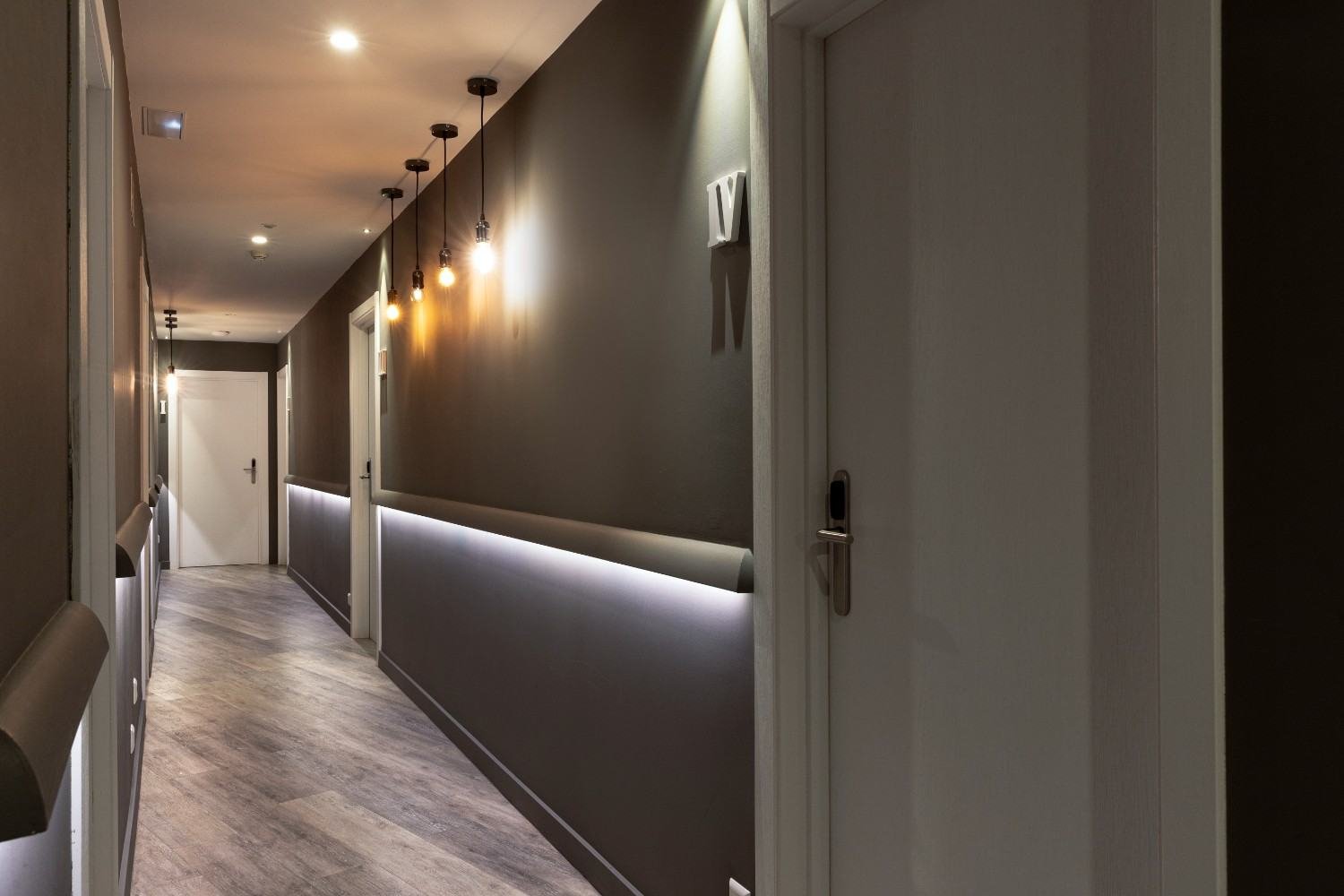
Wireless ceiling motion lights provide broader illumination compared with small light bars. These fixtures are useful for longer hallways where wall-mounted lighting may not provide enough coverage.
They typically use replaceable batteries and attach through screws or adhesive mounting systems.
This option works well for homeowners who want overhead lighting without installing new electrical wiring.
Wired Flush-Mount Fixtures: Best for Permanent Upgrades
For homeowners planning a long-term lighting improvement, wired flush-mount fixtures create the cleanest appearance.
These replace existing ceiling lights and provide stronger illumination for large corridors.
The downside is that installation usually requires electrical knowledge or professional help.
Quick Comparison of Motion Sensor Hallway Lighting Options
| Light Type | Power Source | Installation Level | Best Placement |
| Plug-In Night Lights | Wall outlet | Very easy | Lower outlets, hallway corners |
| Stick-On Light Bars | USB rechargeable battery | Easy | Baseboards, stairs, closets |
| Wireless Ceiling Fixtures | AA/AAA batteries | Easy | Ceiling areas and larger hallways |
| Wired Flush Mounts | AC hardwired power | Advanced | Existing ceiling fixture locations |
Where Should You Install Automatic Hallway Lighting?
Placement has a major impact on performance. Even the best sensor will not work properly if it is installed in the wrong location.
For bedrooms, I prefer placing motion-activated lights near doorways so they provide enough visibility without creating harsh brightness.
Staircases are another valuable location because proper lighting helps prevent trips and falls during nighttime movement. Low-level lighting along stairs or baseboards creates visibility without disturbing sleep.
Entryways also benefit from motion sensors because they provide immediate illumination when arriving home after dark.
For long hallways, consider multiple smaller lights instead of one extremely bright fixture. This creates more balanced lighting and reduces dark spots.
Experts also recommend placing motion lighting in high-traffic areas such as hallways, staircases, closets, and entryways where lights are often accidentally left on.
What Should You Consider Before Buying Motion Sensor LED Lights?
Before choosing a hallway lighting solution, I always consider the sensor range, brightness, installation method, and maintenance requirements.
A good sensor should detect movement accurately without triggering unnecessarily from nearby activity.
Brightness is also important. Hallways usually do not require the same intensity as kitchens or workspaces. Warm white LEDs around 2700K–3000K create a comfortable residential atmosphere, while neutral white options around 3500K–4000K provide a cleaner look.
For renters, wireless LED lights are usually the most practical choice because they can be installed without permanent changes.
For homeowners building a connected house, smart lighting options provide additional features such as scheduling, app control, and integration with other devices.
Common Problems With Motion Sensor Hallway Lights
Even reliable lighting systems can experience issues.
If the light turns on randomly, the sensor may be detecting movement outside the intended area. Adjusting sensitivity or changing placement can solve this.
If the light stays on too long, reducing the timer setting can improve energy efficiency.
Poor detection is often caused by blocked sensors, incorrect positioning, or placing the fixture too far from the walking path.
Proper installation usually makes a bigger difference than choosing the most expensive model.
Are Motion Sensor LED Lights Worth Installing?
After using automatic lighting solutions, I consider them one of the easiest upgrades for improving home comfort.
They make nighttime movement safer, reduce wasted energy, and remove the frustration of searching for switches in dark spaces. Unlike major remodeling projects, many options can be installed quickly with minimal effort.
Whether you choose rechargeable light bars, plug-in hallway night lights, wireless fixtures, or permanent ceiling installations, the right option depends on your home layout and lifestyle.
For me, motion sensor LED lights for hallway spaces represent more than just another lighting product. They create a safer, more efficient, and more convenient home environment with a simple upgrade.
Frequently Asked Questions (FAQs)
1. How do motion sensor hallway lights save electricity?
Motion sensor hallway lights reduce energy waste by turning on only when movement is detected and switching off automatically when the area is empty.
2. Are rechargeable motion sensor lights good for hallways?
Yes. Rechargeable motion sensor lights are excellent for hallways because they are easy to install, removable, and do not require electrical wiring.
3. Can I install automatic hallway lights in a rental home?
Yes. Battery-operated hallway lights and stick-on LED options are renter-friendly because they do not require permanent modifications.
4. What is the best brightness for hallway motion lights?
A moderate brightness level is usually ideal. Soft warm lighting works well for nighttime navigation, while brighter LEDs are better for large or frequently used corridors.
Final Thoughts on Choosing the Right Hallway Lighting
I have found that the best home upgrades are often the ones that quietly improve everyday routines. A hallway light that automatically turns on when I walk by may seem like a small change, but it makes my home feel more comfortable and thoughtfully designed.
With options ranging from simple plug-in lights to advanced smart systems, homeowners can choose a solution that fits their budget, space, and installation preferences. Choosing energy-efficient lighting is also a small step toward responsible energy use, and it can complement broader habits such as following practical pollution prevention tips in daily life.
If you want a practical way to improve safety, convenience, and energy efficiency, motion sensor LED lights for hallway areas are one of the simplest upgrades you can make.