
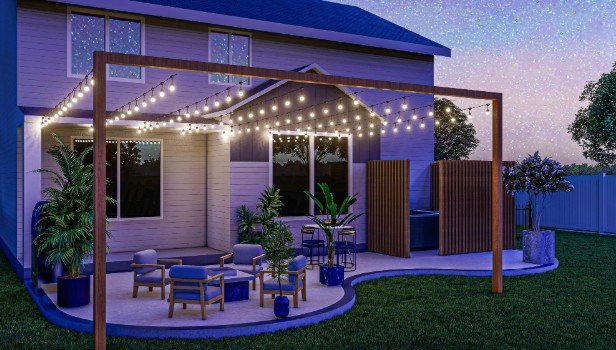
I have always believed that a gazebo should become more inviting after sunset, not disappear into the darkness. Learning how to light an outdoor gazebo involves more than hanging the brightest fixture available.
The best results come from combining gentle ambient illumination, focused task lights, and subtle accents that reveal the structure without creating glare. Whether the space is used for dining, cooking, reading, or entertaining, a thoughtful plan can make it safer, more functional, and far more atmospheric.
Decide How You Will Use the Gazebo
Begin by identifying the gazebo’s primary purpose. A quiet seating area needs softer illumination than an outdoor kitchen, while a dining gazebo requires enough focused light for guests to see their meals comfortably. A multipurpose structure may need several independently controlled fixtures.
Walk through the space after dark and identify the table, cooking surface, entrance, steps, and seating arrangement. These areas should receive priority. Decorative lighting can then be added around them. Planning by activity prevents the common mistake of installing one powerful ceiling fixture that produces harsh shadows while leaving the gazebo’s edges dark.
Create a Layered Lighting Design
Layering different light sources creates depth and provides greater control over the atmosphere. Ambient lighting supplies the overall glow, task lighting supports activities, and accent lighting draws attention to posts, rooflines, plants, or architectural details.
String lights can form the ambient layer, while a pendant over the table provides focused illumination. Small post lights, recessed floor fixtures, or discreet LED strips can complete the design. Connecting the layers to separate switches or controls lets you brighten the gazebo for cooking and reduce the intensity when people are relaxing.
Hang Outdoor String Lights Across the Roof
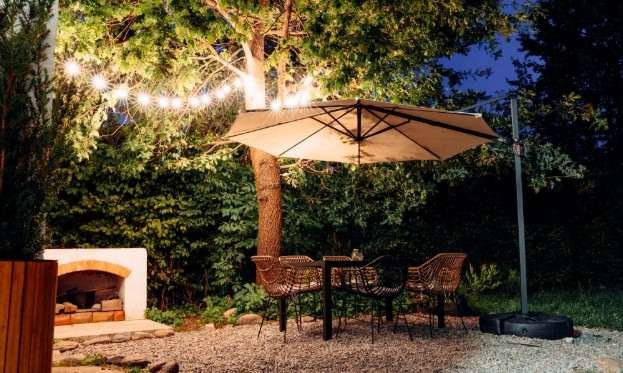
String lights remain popular because they are affordable, versatile, and suitable for many gazebo styles. They can be installed around the roof’s perimeter, crossed between opposite rafters, arranged in a grid, or wrapped around supporting posts.
A perimeter layout creates a defined outline without filling the ceiling. A crisscross pattern produces fuller illumination over a dining or seating area. Larger bistro bulbs make a bold decorative statement, while tiny fairy lights deliver a more delicate appearance.
Use outdoor-rated hooks, clips, or cable ties instead of allowing the electrical cord to support the strand’s full weight. Wooden frames can accept carefully positioned screw hooks. Magnetic clips are useful on compatible metal structures, while removable ties work better for temporary or fabric gazebos. Leave a little slack to reduce strain, but avoid low-hanging sections that could catch on people or furniture.
Install a Pendant or Outdoor Chandelier
A pendant or chandelier creates an attractive focal point and makes a gazebo feel like a complete outdoor room. Position it above the center of a table rather than automatically placing it in the mathematical center of the roof. This directs useful light where it is needed and applies the same layered approach found in effective front porch lighting ideas.
Fixture size should complement the gazebo without overwhelming it. Maintain comfortable clearance beneath the light, particularly in walkways. The fixture must be specifically rated for its level of outdoor exposure. An indoor chandelier should never be used simply because the gazebo has a roof; moisture, condensation, and wind can still reach it.
Use Flush and Recessed Fixtures Under Solid Roofs
Hardtop gazebos can support flush-mounted, soffit, or recessed fixtures. These provide clean, even illumination and work particularly well in modern structures where hanging decorations may appear cluttered.
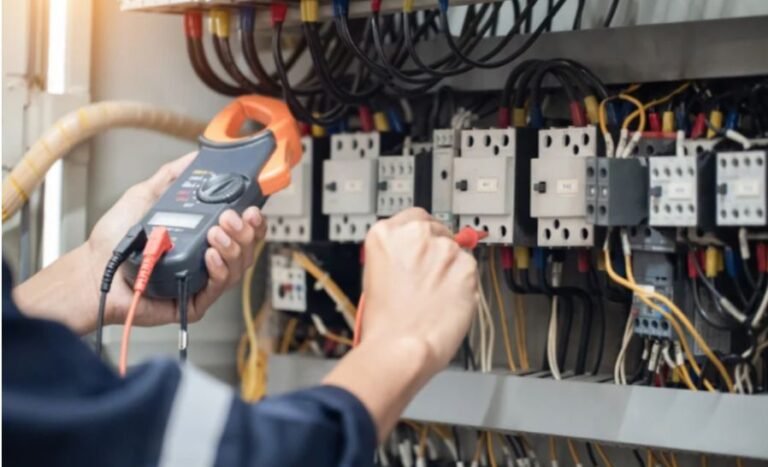
Space multiple small fixtures across the ceiling instead of relying on a single intense lamp. Wide, overlapping pools of light reduce shadows and make the seating area more comfortable. Dimmable fixtures add flexibility for meals, parties, and quiet evenings. Permanent wiring should be planned with a qualified electrician, especially when cables must travel underground or connect to an existing electrical system.
Add Task Lighting for Dining and Cooking
Decorative bulbs, such as an Edison light bulb, may create a beautiful atmosphere without producing enough usable light. Dining tables need soft downward illumination, while food preparation and grilling areas require brighter, more controlled task lighting.
Place task lights so they illuminate the work surface from above or slightly in front of the person using it. A light positioned behind someone can cast their shadow directly across the counter. Shielded fixtures are particularly useful around grills because they direct illumination downward and reduce glare.
Keep fixtures, cords, and decorative materials away from flames, high temperatures, smoke, and grease. Candles should not be placed near curtains, dry foliage, fabric roofs, or areas where they can be knocked over.
Illuminate Steps, Posts, and Pathways
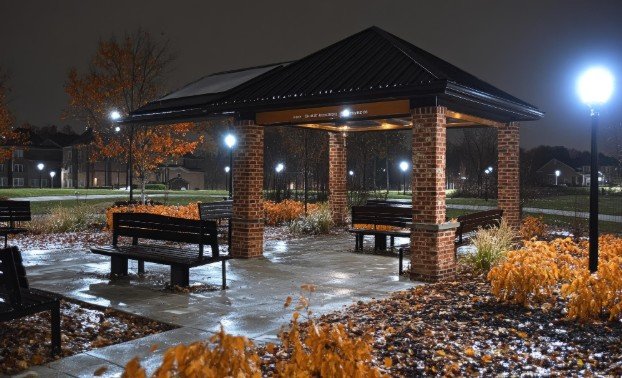
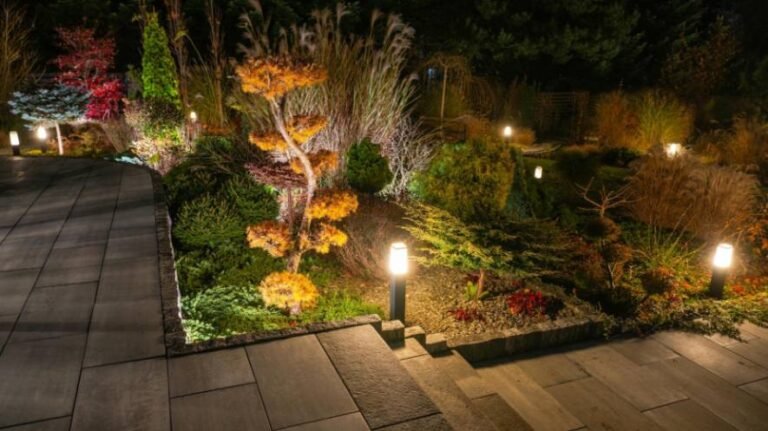
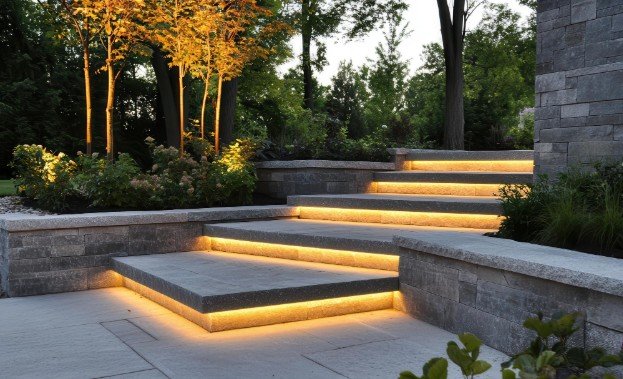
The approach to the gazebo is just as important as its interior. Low-level step, rail, and path lights allow guests to notice changes in elevation without flooding the garden with unnecessary brightness.
Small fixtures fitted to posts can cast controlled pools of light toward the floor. Recessed step lights reveal tread edges, while shielded path lights guide people from the house to the gazebo. Aim these fixtures downward to avoid glare. Nearby trees, textured walls, or planting beds may receive gentle accent lighting, but they should not compete with the gazebo itself.
Choose an Appropriate Power Source
Solar lights are convenient where no outlet is available. They require no fixed wiring and work well for decorative strands, lanterns, and low-level accents. Their performance, however, depends on the amount of daylight reaching the solar panel. Position the panel outside the roof’s shadow and keep its surface clean.
Rechargeable and battery-powered fixtures are suitable for temporary installations. Plug-in lights provide more consistent output, provided that every fixture, cord, connector, outlet, and relevant circuit breakers are suitable for outdoor conditions. Low-voltage systems offer a reliable option for permanent landscape and gazebo lighting, while hardwired fixtures provide the most integrated appearance.
Select Brightness and Color Carefully

Brightness should match the activity rather than the gazebo’s dimensions alone. A single dazzling bulb can make the structure uncomfortable, even when it produces plenty of light. Several lower-output fixtures generally provide smoother coverage.
Warm-white light creates a relaxed, welcoming appearance and complements timber, brick, fabric, and natural landscaping. Neutral-white illumination may be useful over a food preparation surface where clearer visibility is required. Mixing dramatically different color temperatures can make the design look disconnected, so keep nearby decorative fixtures visually consistent.
Dimmers, timers, remote controls, and smart switches make the system easier to manage. They also prevent lights from operating at full brightness when only a quiet background glow is needed.
Protect the Installation From Outdoor Conditions
Every component must suit its actual exposure. A fitting protected beneath a solid roof may face different conditions from a bulb installed near the open edge. Check whether products are rated for damp or wet locations and follow their installation instructions.
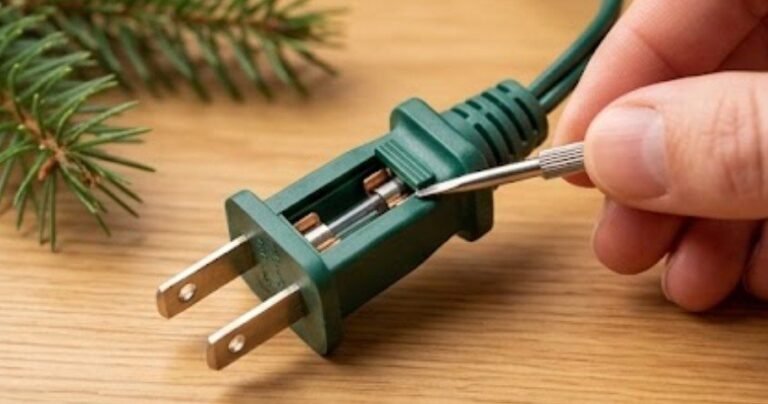
Keep connections raised above the ground and protected from water. Do not trap plugs in puddle-prone areas or run cords across walking routes. Inspect strands for cracked insulation, loose sockets, corrosion, and damaged bulbs before installation. Permanent electrical work should be completed according to local requirements by an appropriately qualified professional.
Frequently Asked Questions
1. What is the easiest way to light a gazebo without electricity?
Solar string lights and rechargeable lanterns offer the simplest wire-free solution. Place solar panels where they receive unobstructed daylight and use several smaller fixtures to create balanced coverage.
2. How do I determine how to light an outdoor gazebo safely?
Use fixtures and cables designed for outdoor exposure, protect every connection from moisture, secure strands with suitable hardware, and keep cords away from walkways and heat sources. Seek professional help for permanent wiring.
3. Can string lights provide enough illumination for dining?
They can provide comfortable ambient light, but widely spaced decorative bulbs may not illuminate food clearly. Combining them with a downward-facing pendant or portable table lamp usually produces a better result.
4. Should gazebo lights stay on throughout the night?
Leaving every fixture on is rarely necessary. Timers, motion sensors, and smart controls can reduce energy use and unwanted brightness while keeping steps and entrances illuminated when required.
The Final Glow
I find that the most successful gazebo lighting never depends on one dramatic fixture. It combines gentle overhead illumination, focused light for important activities, and low-level guidance around steps and paths.
By choosing outdoor-rated equipment, controlling glare, and matching each fixture to a purpose, I can create a gazebo that feels comfortable, safe, and naturally connected to the surrounding garden after sunset.


2 thoughts on “How to Light an Outdoor Gazebo for a Beautiful Nighttime Glow”