
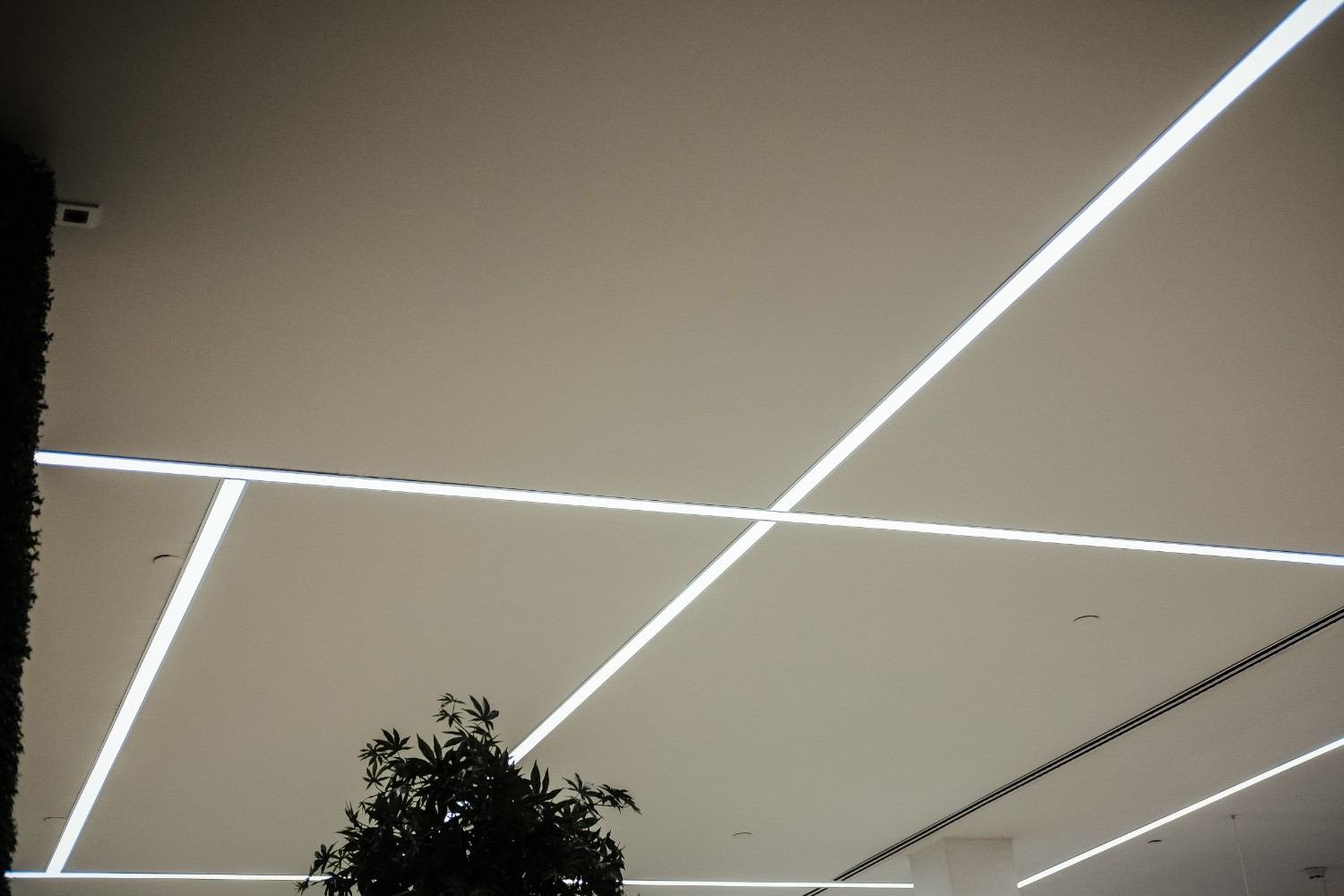
A room can have the perfect furniture, colors, and layout, yet still feel uncomfortable when the lighting is not planned correctly. I have noticed that low ceilings create one of the biggest challenges because every lighting decision becomes more visible. The wrong fixture can make a space feel uneven, cramped, or overly bright in certain areas, while the right lighting approach can completely change the mood of the room.
That is why choosing the correct LED beam angle for low ceilings is such an important part of modern home lighting design. The beam spread determines how evenly light reaches your floors, work surfaces, and living areas.
Whether you are improving a kitchen, upgrading a basement, or creating a productive home office, understanding beam angles helps you achieve comfortable, glare-free illumination that makes your space feel more open and functional.
What Does LED Beam Angle Mean and Why Is It Important?
LED beam angle refers to how widely light spreads from a fixture. A narrow beam concentrates light into a smaller area, while a wider beam distributes illumination across more space. The choice affects everything from brightness levels to shadows and overall comfort. When planning a productive workspace, homeowners should also consider factors like the best color temperature for home office lighting, since the right combination of beam spread and light tone can improve focus and reduce eye strain.
For example, a 25-degree beam angle can work well for highlighting artwork or architectural details, but it may create noticeable bright spots when used as general lighting in a low-ceiling room. A wider beam spreads light more evenly, making it more suitable for spaces where people need consistent visibility.
Low ceilings create a unique challenge because the distance between the fixture and the floor or workspace is shorter. Light does not have enough vertical space to naturally spread before reaching the surface below. This is why beam angle becomes especially important in smaller rooms, basements, apartments, and home offices.
What Is the Best LED Beam Angle for Low Ceilings?
For most residential spaces in the US, a wide beam angle between 60° and 90° works well for general lighting in low-ceiling rooms. It creates smoother coverage and reduces the spotlight effect that often happens with narrow fixtures.
However, the ideal choice depends on the room’s purpose. A living room may benefit from a wider ambient spread, while a workspace may require even broader coverage to illuminate desks, screens, and surrounding areas.
For a home office with a ceiling height under 8 feet, ultra-wide beam angles between 90° and 120° can provide excellent coverage. These wider distributions help reduce shadows across work surfaces and create a more comfortable environment for long working hours. Wide beam fixtures are commonly used for applications requiring broad illumination, including offices and general area lighting.
How Does Ceiling Height Affect LED Downlight Beam Selection?
Ceiling height directly affects how light spreads throughout a room.
In homes with ceilings around 7 to 8 feet, wider beams usually perform better because they distribute light quickly across the room. Narrow beams can create isolated pools of brightness and leave surrounding areas looking dim.
For standard 8- to 10-foot ceilings, medium beam angles between 40° and 60° often provide a good balance between coverage and intensity.
For higher ceilings above 10 feet, narrower beams become more useful because the light needs to travel farther. A focused beam maintains stronger illumination at the surface level instead of spreading too widely before reaching the target area.
What Color Temperature Works Best With Low Ceiling Lighting?
Beam angle controls where light goes, but color temperature determines how the room feels. For a home office or study area, I recommend a neutral white color temperature between 4000K and 4500K. This range provides a crisp appearance without the harsh, overly blue feeling that some higher-temperature daylight bulbs create.
Neutral white lighting works well because it keeps text, documents, and screens easier to view while maintaining a comfortable atmosphere, creating a welcoming atmosphere for focused work and everyday activities. It is especially useful for remote workers who spend several hours at a desk.
For multipurpose rooms that function as both workspaces and relaxation areas, a 3500K option can provide a softer transition between productivity and evening comfort.
Best Lighting Setup for a Low Ceiling Home Office

A low-ceiling home office requires more than simply installing bright LED bulbs. The goal is even illumination that supports productivity without creating glare.
A strong setup usually includes a neutral white 4000K–4500K LED fixture combined with a wide beam angle around 90°–120°. This combination helps spread light evenly across the desk area, reduces harsh shadows, and prevents the room from feeling visually cramped.
Ultra-thin wafer-style or canless LED downlights are especially useful for American homes with limited ceiling space. These fixtures sit close to the ceiling surface, require minimal installation depth, and often provide wide light distribution suitable for smaller rooms.
Which Beam Angle Is Best for Different Rooms?
Kitchen Lighting for Low Ceilings
Kitchens require clear visibility for cooking, food preparation, and cleaning. I prefer medium-to-wide beam angles because they provide enough coverage across countertops without creating uncomfortable glare.
For task areas such as islands or preparation zones, slightly more focused lighting can supplement the general room lighting.
Bedroom Lighting
Bedrooms usually need softer illumination. Wide beam LED downlights help create a relaxed atmosphere by avoiding sharp pools of brightness directly above the bed.
A 60° or wider beam combined with warm or neutral color temperatures can make the room feel comfortable while still providing enough visibility.
Living Rooms and Basements
Living rooms benefit from balanced lighting because they serve multiple purposes, from entertainment to conversations and reading.
Basements in many US homes have lower ceilings and limited natural light, making broad light distribution especially valuable. Wide beam fixtures help eliminate dark areas and create a more inviting environment.
How Can I Prevent Glare From Low Ceiling LED Lights?
One mistake I often see is choosing a fixture based only on brightness. More lumens do not always mean better lighting. Poor fixture design can create glare that makes a room uncomfortable.
For low ceilings, I look for recessed lights with:
- Deep-set trims
- Frosted diffusers
- Anti-glare designs
- Appropriate lumen output
Fixture placement also matters. Even the correct beam angle can create uneven lighting if lights are installed too far apart or concentrated in one area.
Common Mistakes When Choosing LED Downlights

Many homeowners choose narrow beam LEDs because they appear brighter. However, that intense center brightness can create uneven illumination in small rooms. Another common mistake is ignoring color temperature. A workspace with warm 2700K lighting may feel relaxing but may not provide the crisp visibility many people need during work hours. I also recommend considering lumens instead of wattage alone.
LED technology allows fixtures to produce strong brightness with lower energy consumption, so wattage is no longer the best measure of performance. Following simple energy-saving tips like selecting efficient LED fixtures, choosing the correct brightness level, and avoiding unnecessary over-lighting can help reduce electricity use while maintaining comfortable illumination.
Frequently Asked Questions (FAQs)
1. What is the best LED beam angle for low ceilings?
The best LED beam angle for low ceilings depends on the room, but wide beams between 60° and 90° generally provide comfortable coverage, while 90°–120° works well for low-ceiling offices requiring broad illumination.
2. Is a wide beam angle better for recessed lighting?
A wide beam angle is usually better for general lighting because it spreads illumination across a larger area. However, room size, fixture spacing, and lighting goals should also be considered.
3. What color temperature is best for a low ceiling home office?
A 4000K–4500K neutral white LED is often ideal for home offices because it provides clear visibility and supports a focused work environment without feeling overly harsh.
4. Are wafer LED lights good for low ceilings?
Yes. Ultra-thin wafer LED downlights are excellent for low ceilings because they require less installation space and often provide broad, even illumination.
Creating a Better Lighting Plan for Your Home
After comparing different lighting layouts, I have learned that successful lighting design comes from matching the fixture to the room instead of choosing the brightest option available. Ceiling height, room purpose, beam spread, and color temperature all work together to create a comfortable space.
Whether I am planning a kitchen renovation, improving a basement, or setting up a productive home office, I always consider how light will spread before selecting fixtures. The right beam angle can make a low ceiling feel larger, improve daily comfort, and create a home that feels naturally brighter.





One thought on “LED Beam Angle for Low Ceilings: The Secret to Perfect Lighting”