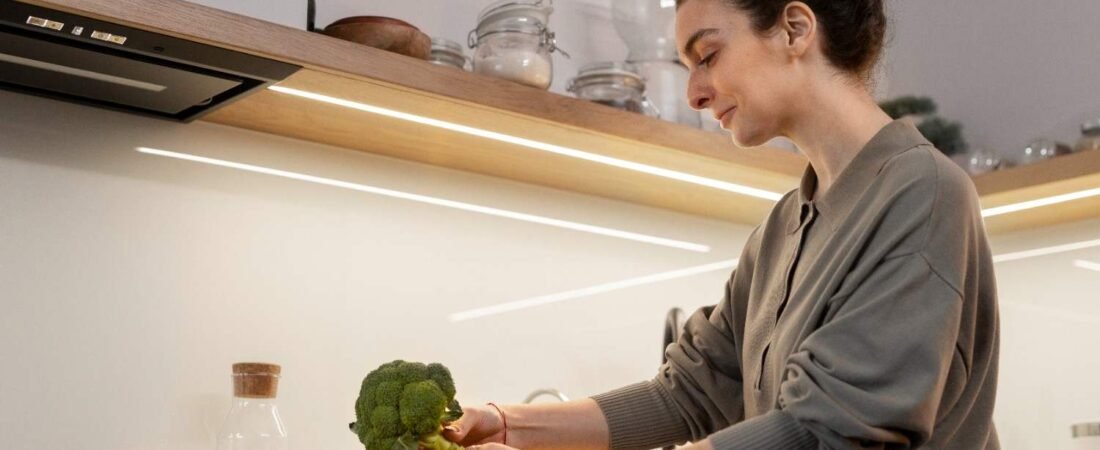
The first time I upgraded my kitchen lighting, I focused on the fixture design and brightness but quickly realized something was missing. The lights looked powerful, yet certain areas still felt uncomfortable to work in because the spread of light was not planned correctly. That experience showed me how important choosing the right LED beam angle for kitchen downlights can be when creating a kitchen that feels bright, functional, and inviting.
A kitchen is more than a place for cooking. It is where families gather, meals are prepared, and everyday tasks happen, which means every corner needs the right balance of focused and ambient illumination.
The correct beam angle helps reduce shadows on countertops, prevent harsh glare, and create smooth lighting throughout the space. Whether you are replacing outdated recessed lights or designing a new kitchen layout, understanding beam angles can help you achieve professional-looking results without unnecessary trial and error.
What Is the Best LED Beam Angle for Kitchen Downlights?
For most American kitchens, a medium beam angle between 36° and 60° helps reduce countertop shadows and works best because it provides a combination of focused illumination and comfortable room coverage. This range helps illuminate countertops, islands, and walkways without creating overly sharp pools of light.
The ideal choice depends on your kitchen layout, ceiling height, and the purpose of each lighting zone. A kitchen is not a single-purpose room. It may be used for meal preparation, homework, entertaining, dining, and everyday activities, so different areas may benefit from different beam spreads.
A 36° to 45° beam angle is usually the sweet spot for kitchen work areas because it directs enough light onto countertops without spreading the intensity too widely. Wider 60° beams work better for general room illumination, especially in kitchens with standard ceiling heights.
Narrower beams between 15° and 24° are better suited for highlighting shelves, artwork, or architectural details rather than lighting an entire kitchen.
How Do Beam Angles Change Kitchen Lighting Results?
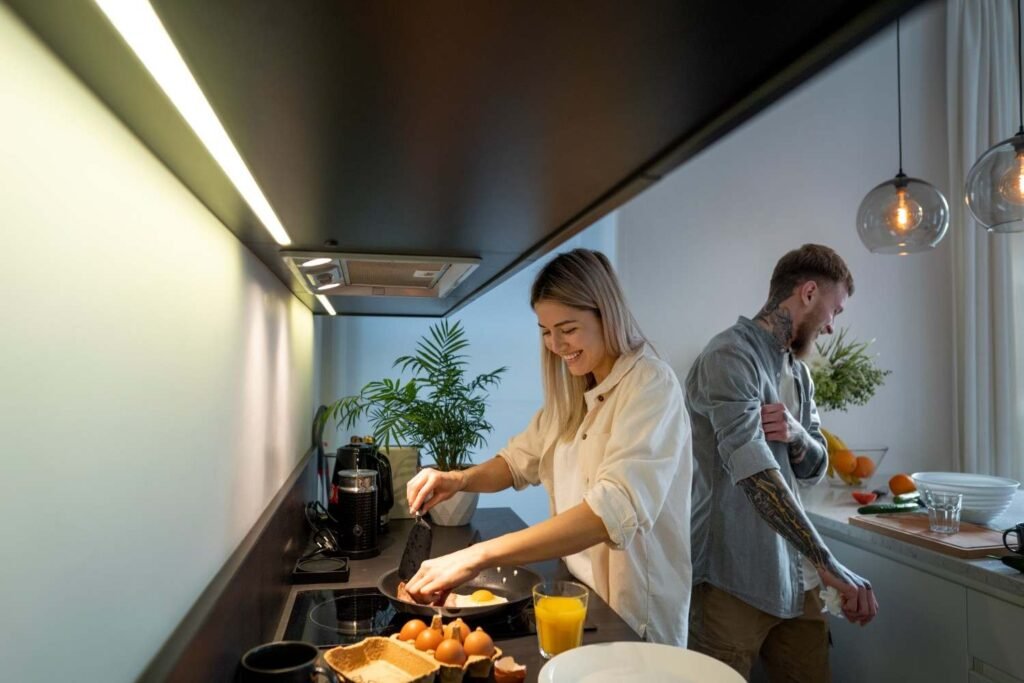
Beam angle determines how widely light spreads from a downlight. A narrow beam concentrates light into a smaller area, while a wider beam distributes light over a larger space. However, choosing a wider beam does not increase brightness. It simply spreads the available light across more area.
For example, a 40° downlight can create stronger illumination directly below the fixture, making it useful for food preparation areas. A 60° downlight creates softer coverage that helps prevent dark patches between fixtures.
When I plan kitchen lighting, I always consider where people will stand and work. A poorly positioned downlight can place your body between the light source and countertop, creating unwanted shadows. Proper beam selection combined with correct placement creates a much more functional kitchen.
Which Beam Angle Works Best for Different Kitchen Areas?
Best Beam Angle for Kitchen Countertops and Islands
Countertops and islands require focused task lighting because these areas are where most kitchen activities happen. A 36° to 45° beam angle usually works well because it creates overlapping light coverage across food preparation surfaces.
This range provides enough intensity for chopping vegetables, reading recipes, preparing meals, and cleaning without making the lighting feel like a spotlight.
For kitchen islands, I recommend positioning recessed downlights approximately 24 inches from the wall or cabinet edge. This placement helps direct light onto the working surface instead of behind you, reducing shadows while cooking.
Best Beam Angle for Kitchen Walkways and General Lighting
For open areas, dining spaces, and walkways, a 60° beam angle often provides better results. The wider spread creates smoother ambient lighting and helps eliminate dark corners.
Many US homes have 8-foot or 9-foot ceilings, and wider beam angles are usually effective at these heights because the fixtures do not need to project light over a long distance.
Best Beam Angle for Open Shelves and Decorative Features
If you want to highlight open shelving, glass cabinets, artwork, or decorative kitchen features, a narrower 15° to 24° beam angle can create a more dramatic effect.
These focused beams work like accent lighting by drawing attention to specific objects instead of evenly lighting the entire room.
How Does Ceiling Height Affect Downlight Beam Angle?
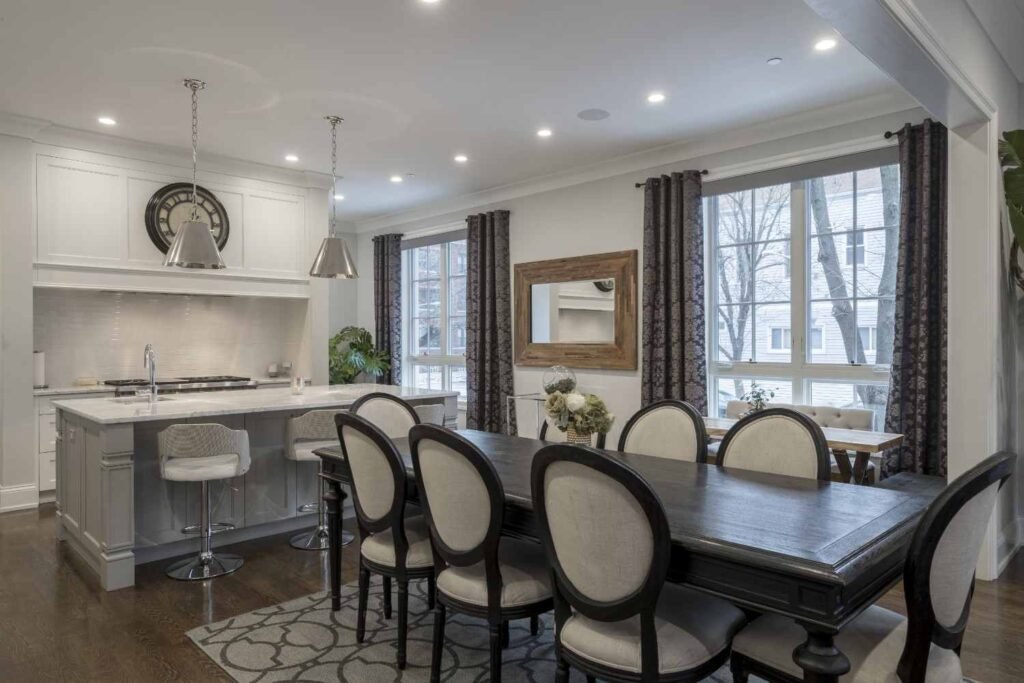
Ceiling height plays a major role when selecting recessed kitchen lighting. Standard American homes with 8-foot to 9-foot ceilings typically work well with medium beam angles around 36° to 45°.
For kitchens with higher ceilings, such as vaulted ceilings or spaces above 10 feet, a narrower beam may perform better because the light has farther to travel before reaching the countertop level. A concentrated beam maintains stronger illumination on the working surface instead of allowing the light to spread too quickly.
However, using a very narrow beam throughout a normal kitchen can create a spotlight effect. The goal is not to make individual bright circles on the floor or counters. The goal is to create smooth, comfortable lighting.
How Does Downlight Spacing Affect Beam Angle?
Beam angle and fixture spacing work together. Wider beams allow downlights to be placed farther apart because their light overlaps more easily. Narrower beams require closer spacing to prevent uneven areas and dark gaps.
When designing LED downlight spacing, I focus on creating overlapping coverage rather than placing fixtures based only on appearance. A balanced kitchen lighting layout should provide consistent illumination across counters, islands, and walking areas.
Spacing also depends on other factors, including ceiling height, fixture output, room colors, and whether the kitchen has reflective surfaces like quartz countertops or stainless steel appliances.
Why Should You Consider Lumens, CRI, and Color Temperature Too?
Beam angle is only one part of effective kitchen lighting design. Lumens determine how much light a fixture produces, while beam angle controls how that light spreads.
I also pay close attention to CRI because kitchens often involve food preparation where accurate colors matter. A higher CRI helps vegetables, meats, and countertop materials appear more natural.
For most kitchens, a color temperature between 2700K and 3000K creates a warm and comfortable atmosphere while still providing enough clarity for everyday tasks.
Common Mistakes When Choosing Kitchen Downlights
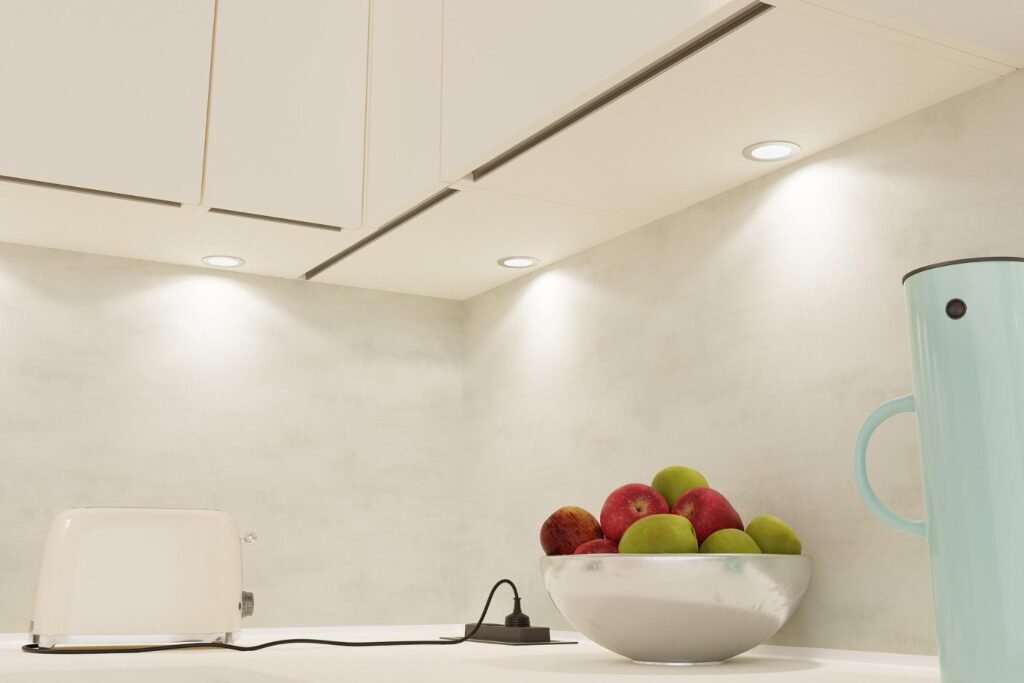
One mistake homeowners often make is installing the same beam angle everywhere. A kitchen benefits from layered lighting, so countertops, walkways, and decorative areas may need different approaches. When planning a connected kitchen setup, understanding topics like matter vs zigbee smart lighting can also help homeowners choose the right ecosystem for reliable control and future expansion.
Another mistake is choosing fixtures only by brightness. A high-lumen light with poor beam distribution can still create glare and uncomfortable shadows.
I also recommend avoiding too many tightly focused lights in small kitchens. Excessive narrow beams can make the space feel harsh instead of inviting. A balanced lighting plan that combines proper fixture placement, beam angles, and smart control options creates a more comfortable and functional kitchen environment.
Frequently Asked Questions (FAQs)
1. What is the ideal LED beam angle for kitchen downlights?
The ideal LED beam angle for kitchen downlights is usually between 36° and 60°, depending on whether you need task lighting, ambient coverage, or accent illumination.
2. Is a 60-degree beam angle good for kitchen recessed lighting?
Yes. A 60-degree beam angle works well for general kitchen lighting, especially in homes with standard-height ceilings where you want even coverage.
3. What beam angle is best for a kitchen island?
A 36° to 45° beam angle is often a good choice for kitchen islands because it provides focused light for cooking, preparing food, and daily activities.
4. Do higher ceilings need a different downlight beam angle?
Yes. Higher ceilings often benefit from narrower beam angles because concentrated light travels farther and maintains better illumination at countertop height.
Final Thoughts on Creating Better Kitchen Lighting
After exploring different kitchen layouts, I have learned that the best lighting design is not about choosing the brightest fixture. It is about directing light where it is needed most. The correct beam angle can make countertops easier to use, reduce shadows, and improve the overall atmosphere of your home.
When selecting downlights, I recommend looking beyond wattage and focusing on how beam spread, ceiling height, spacing, CRI (A color rendering index), and color temperature work together. A thoughtful lighting plan will make your kitchen feel more comfortable, practical, and inviting for years to come.