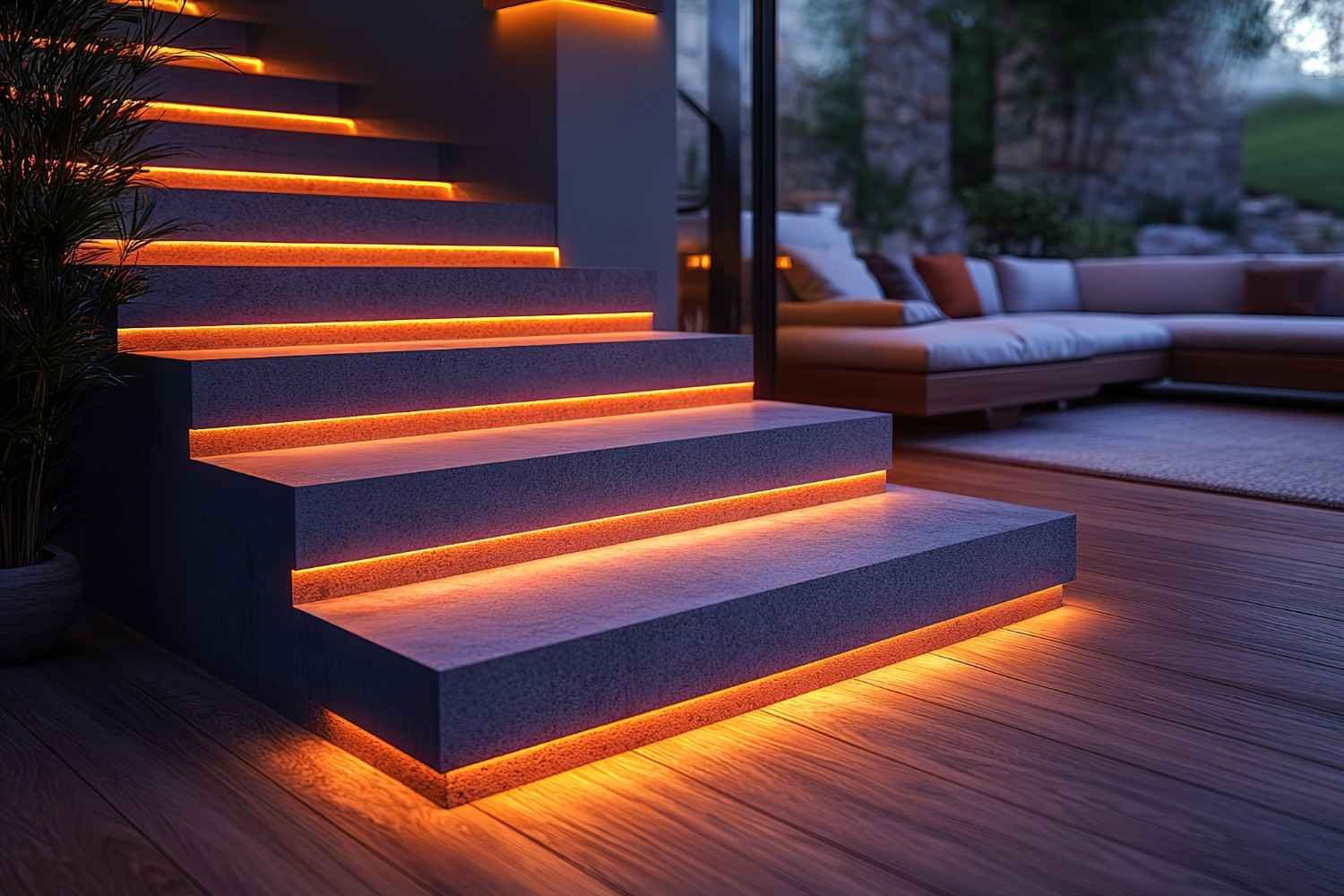
The moment I started paying attention to how my home worked after sunset, I noticed one overlooked area that needed a smarter solution: the staircase. A dark set of steps can quickly become inconvenient when you are walking downstairs early in the morning, carrying items, or moving around while the rest of the house is quiet.
I wanted a lighting solution that offered safety without forcing me to search for switches or keep unnecessary lights on all night.
That is where smart lighting for stairs at night makes a real difference. By combining motion sensors, energy-efficient LEDs, and smart automation, modern stair lighting can turn on exactly when needed and create a comfortable path through your home.
Whether you have basement stairs, a two-story house, or a newly renovated staircase, the right lighting setup can improve safety while adding a stylish architectural feature to your living space.
Why Are Smart Stair Lights Becoming Popular in Modern Homes?
A staircase is one of the most commonly used areas in a home, but it is often overlooked during lighting upgrades. Traditional overhead lights may leave shadows on individual steps, while bright ceiling fixtures can feel uncomfortable during nighttime use.
Smart stair lighting creates a balance between visibility and comfort. Motion sensors activate the lights only when someone approaches, reducing the need to leave lights running all night. This makes them useful for families with children, older adults, and anyone who regularly walks through the house after bedtime.
The biggest advantage is convenience. Your stairs respond automatically instead of forcing you to search for a switch in the dark. Many automated systems also allow brightness adjustment, timers, and smart home integration for a more personalized experience.
How Does Motion Sensor Stair Lighting Work?
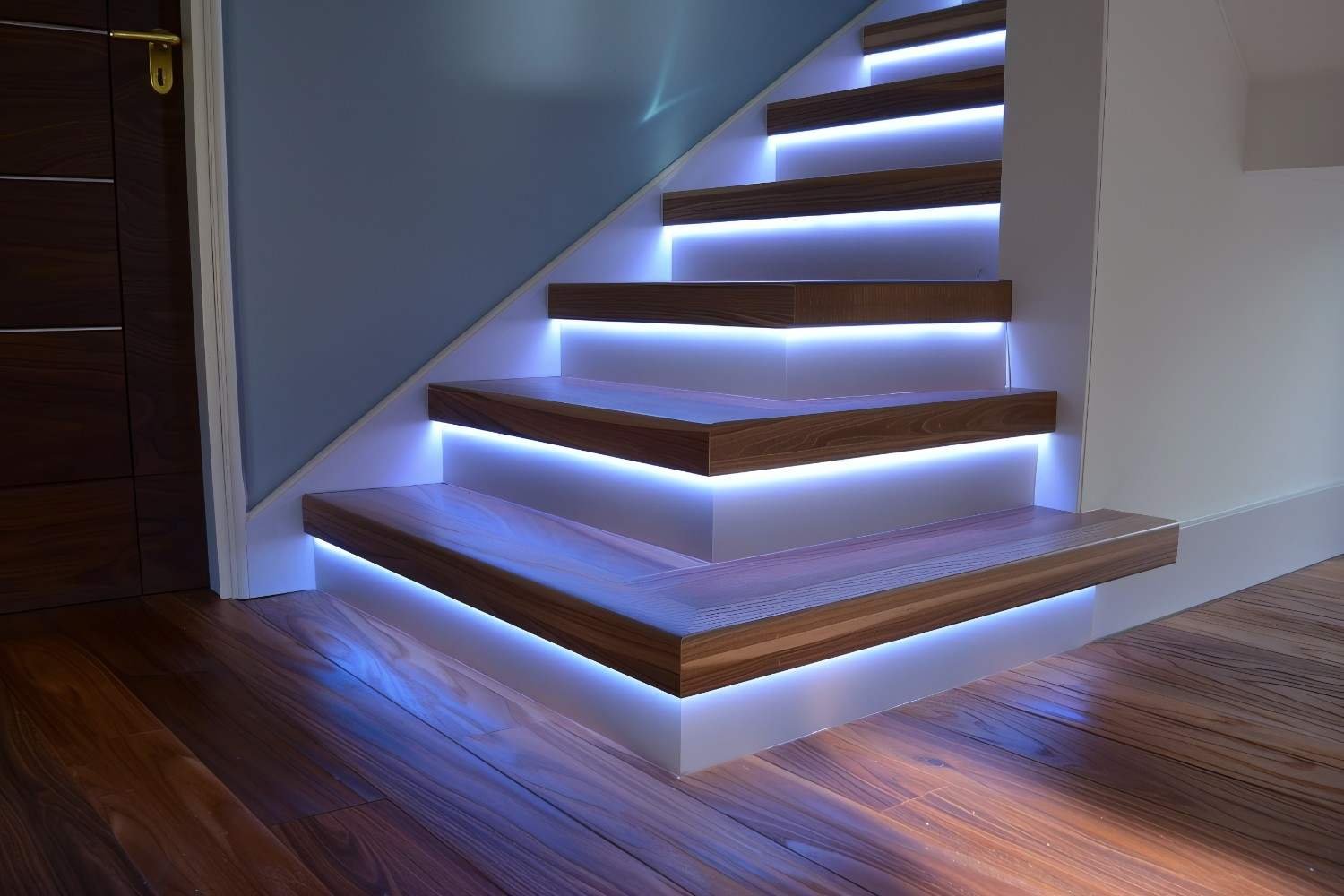
A smart staircase lighting system typically combines LED strips or step lights with motion sensors and a controller. Sensors placed near the top and bottom of the staircase detect movement and trigger the lights.
Advanced systems can identify the direction of movement. For example, when someone walks upstairs, the lights can activate upward in sequence. When someone walks down, the opposite pattern can occur. This creates a smooth cascading effect that looks similar to luxury hotel or high-end architectural lighting.
Sequential stair lighting systems often use two sensors, one at each end of the staircase, allowing the controller to understand where movement begins.
What Are the Best Smart Lighting Options for Staircases?
The right lighting system depends on your budget, staircase design, and whether you are upgrading an existing home or building a new one.
Motion-Activated LED Strip Kits
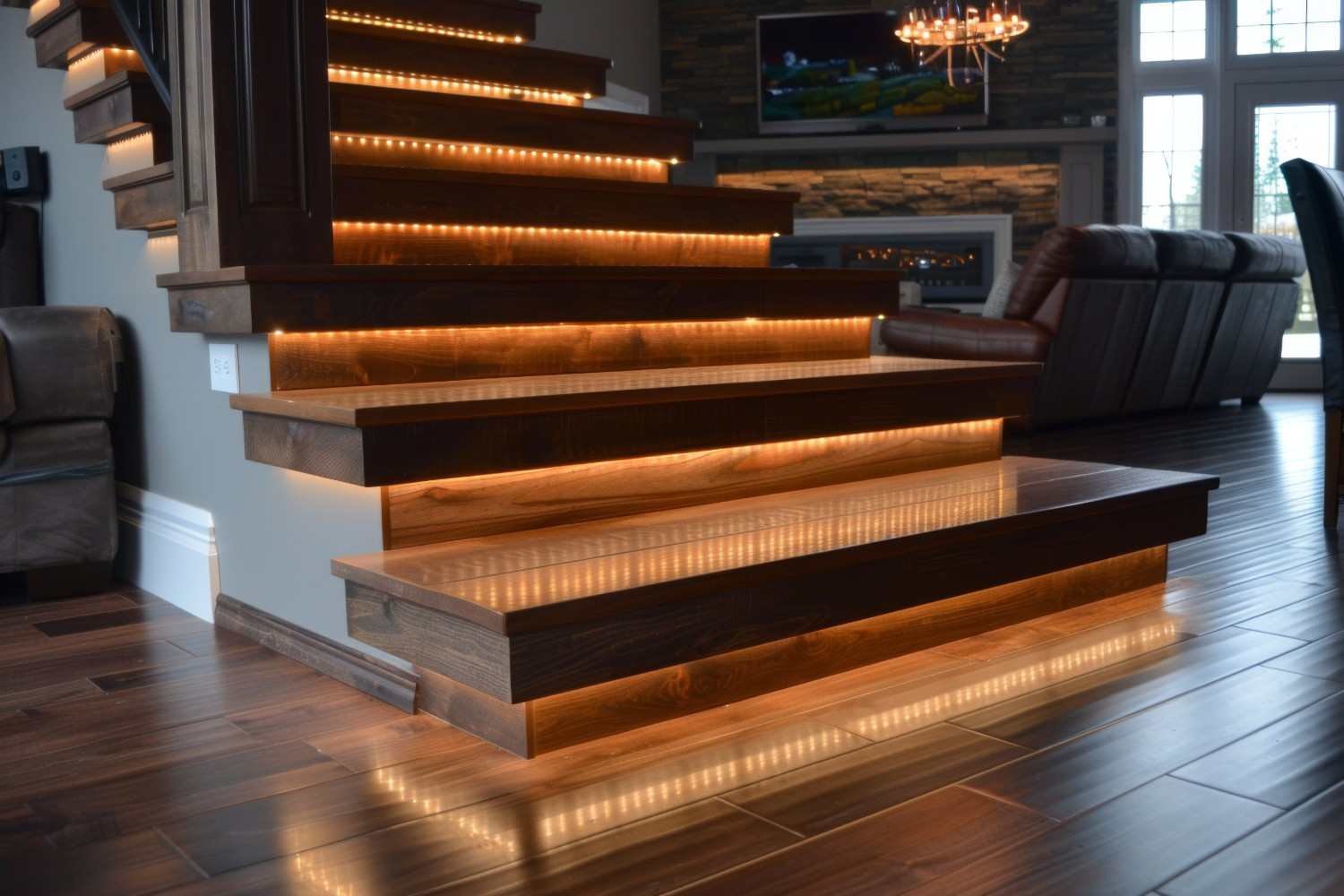
Motion sensor LED strip kits are one of the most popular choices for homeowners who want both safety and visual impact. These systems install beneath stair edges, along the sides of steps, or under handrails to create a floating-light effect.
Premium kits often use COB LED strips because they provide smoother illumination with fewer visible light points. Some systems allow homeowners to adjust brightness, lighting speed, delay time, and the number of steps controlled.
The biggest advantage is the dramatic cascading effect. Instead of every step turning on at once, each step can illuminate gradually as someone walks, creating a modern smart-home appearance.
Recessed Wall Foot Lights
Recessed stair lights offer a clean and permanent solution. These fixtures are installed directly into the wall beside the staircase and create a subtle hotel-inspired glow.
They work best for:
- New home construction
- Major staircase renovations
- Luxury interior designs
However, installation is more complex because it may require drywall cutting and electrical work.
Plug-In Sensor Stair Lights
For renters or homeowners looking for a quick upgrade, plug-in sensor lights provide a simple alternative. These lights require minimal installation and can improve visibility without major modifications.
They are ideal for:
- Apartments
- Temporary upgrades
- Small staircases
- Budget-friendly projects
Although they do not create the same dramatic effect as integrated LED systems, they provide a practical improvement over completely dark stairs.
Which Smart Stair Lighting Option Is Best for Your Home?
| Lighting Type | Installation | Visual Effect | Best For |
| Motion-Activated LED Strip Kits | Moderate installation with controllers and wiring | Premium cascading staircase effect | Modern homes and full stair visibility |
| Recessed Wall Foot Lights | Requires electrical planning | Subtle hotel-style appearance | New construction and renovations |
| Plug-In Sensor Lights | Very easy installation | Simple pathway lighting | Renters and quick upgrades |
For homeowners wanting the biggest design impact, sequential LED stair kits are usually the strongest option. For those prioritizing simplicity, plug-in sensor lights may provide enough functionality without renovation work.
Where Should You Install LED Stair Lights?
Placement determines how effective your staircase lighting will be.
Installing LED strips underneath each stair tread creates a soft glow that highlights every step without causing glare. This approach works especially well on floating stairs, wooden stairs, and modern designs.
Handrail lighting is another popular option because it provides guidance while adding a premium architectural appearance. Wall-mounted step lights can also work well in narrow staircases where LED strips may not be practical.
The goal should always be even illumination. Extremely bright lights can create discomfort, while poorly positioned lights may leave shadows between steps.
Can Smart Stair Lights Work Without Rewiring?
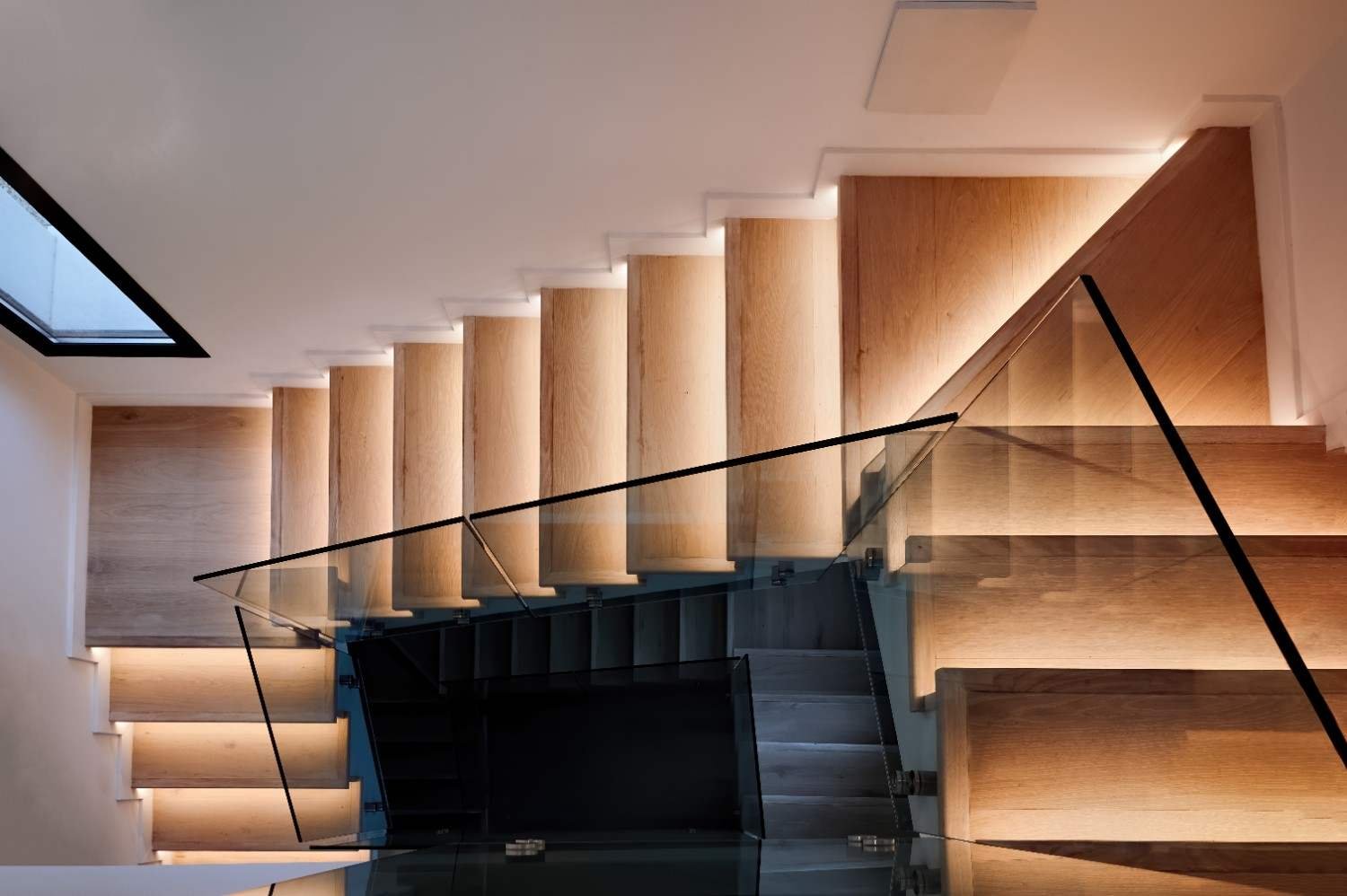
Yes, many modern stair lighting systems are designed for retrofit projects. Battery-powered lights, adhesive LED strips, and plug-in sensor solutions allow homeowners to improve stair safety without major construction.
For permanent installations, hardwired systems usually provide the cleanest appearance. These are especially suitable during remodeling projects when wiring can be hidden behind walls or stair structures.
Before installation, consider the number of steps, available power sources, sensor locations, and whether you want smart home compatibility.
How Do Smart Stair Lights Save Energy?
One of the biggest benefits of automation is that lights operate only when necessary.
Instead of leaving staircase lights switched on throughout the evening, motion sensors activate them only when someone enters the area. Many systems also include daylight sensors that prevent activation when sufficient natural light is available.
Using LED technology further reduces energy consumption because LEDs require less power and last significantly longer than traditional bulbs.
Can Smart Stair Lighting Connect With Alexa and Other Smart Homes?
Many homeowners now connect stair lighting with smart home platforms such as Amazon Alexa, Google Home, and Apple HomeKit.
Smart integration allows you to create routines such as:
- Turning on stair lights automatically after sunset
- Setting dim nighttime brightness levels
- Activating lights through voice commands
- Connecting stairs with other home automation devices
This creates a seamless experience where your home responds automatically to your daily habits.
Frequently Asked Questions (FAQs)
1. Is smart lighting for stairs at night worth installing?
Yes. Smart stair lighting improves safety, reduces unnecessary energy use, and adds a modern design element to your home. It is especially useful for frequently used staircases in two-story homes.
2. What type of LED lights are best for staircases?
COB LED strips, recessed step lights, and motion sensor LED fixtures are among the best options because they provide even illumination and efficient operation.
3. Do motion sensor stair lights need Wi-Fi?
No. Many systems work independently using built-in sensors and controllers. Wi-Fi is only needed for advanced smart home features and app-based control.
4. Can I install LED stair lights myself?
Simple plug-in or adhesive systems can often be installed as DIY projects. However, complex hardwired systems may require professional electrical installation.
Final Thoughts
I see staircase lighting as more than a decorative upgrade. It is a practical improvement that makes everyday movement safer and more comfortable. The best systems combine automation, energy efficiency, and thoughtful design rather than simply adding more brightness. When selecting LED strips, comparing RGBW vs RGBIC LED strip lights can also help you decide whether you need more natural white illumination or advanced multicolor effects.
Whether you choose a cascading LED strip kit, recessed wall lights, or a simple motion sensor solution, the right setup can transform an ordinary staircase into a smarter part of your home. With carefully planned smart lighting for stairs at night, you can create a safer environment while adding a modern architectural touch that improves your entire living space.






One thought on “Smart Lighting for Stairs at Night: Create a Safer, Smarter Staircase”