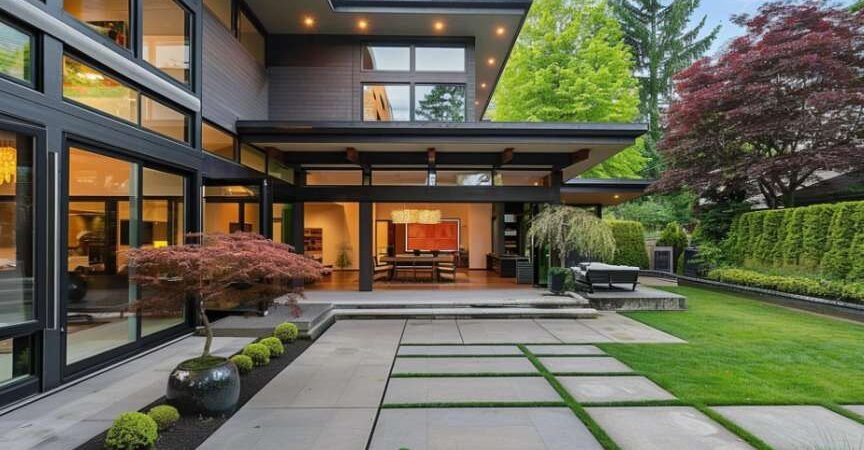
A compact patio, balcony, or courtyard does not need dozens of fixtures to feel inviting after sunset. When I light a smaller area, I concentrate on placement rather than quantity. I use walls, railings, ceilings, planters, and built-in furniture to keep the floor open while creating useful layers of light.
The best outdoor lighting ideas for small spaces can improve safety, establish a relaxing atmosphere, and make limited surroundings appear deeper and more spacious.
Plan the Space Before Selecting Lights
Before buying fixtures, decide how the area will be used. A dining table requires enough task lighting to see food comfortably, while a reading chair needs a focused source positioned nearby. Steps, entrances, and narrow walking routes need gentle safety lighting. Plants, textured walls, and decorative objects can then receive accent light.
Separating these functions prevents one fixture from doing everything. A bright central lamp may illuminate the entire patio, but it can also cause glare and flatten the design. Combining a soft ambient glow with focused task and accent lighting creates a more comfortable result.
Measure walls, railings, and overhead spans before purchasing string lights. Trace the intended route with ordinary string because a zigzag or draped layout usually requires more length than a straight measurement suggests.
Use Overhead String Lights to Preserve Floor Space
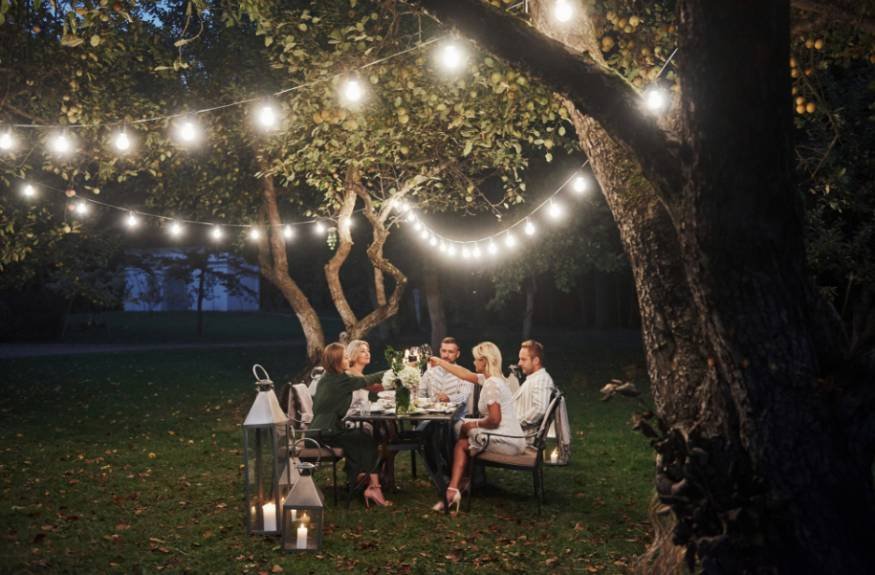
String lights are especially useful in a confined setting because they create atmosphere without occupying the ground. Hang them between walls, beneath a pergola, along a fence, or above a seating arrangement.
A diagonal or zigzag pattern can visually define a dining or conversation zone. For a narrow balcony, one neat line along the railing or ceiling may look more balanced than several overlapping strands. Choose exterior-rated cables and bulbs, and secure them with proper hooks rather than relying on the electrical cord to support their weight.
Warm white LEDs generally produce a softer, more welcoming atmosphere than very cool bulbs. Dimmable models are valuable because a small area needs less output once the surrounding surfaces begin reflecting light. For a more themed outdoor setup, patriotic deck lighting ideas outdoors can add decorative character while keeping the lighting comfortable and practical.
Mount Slim Sconces on Walls and Fences
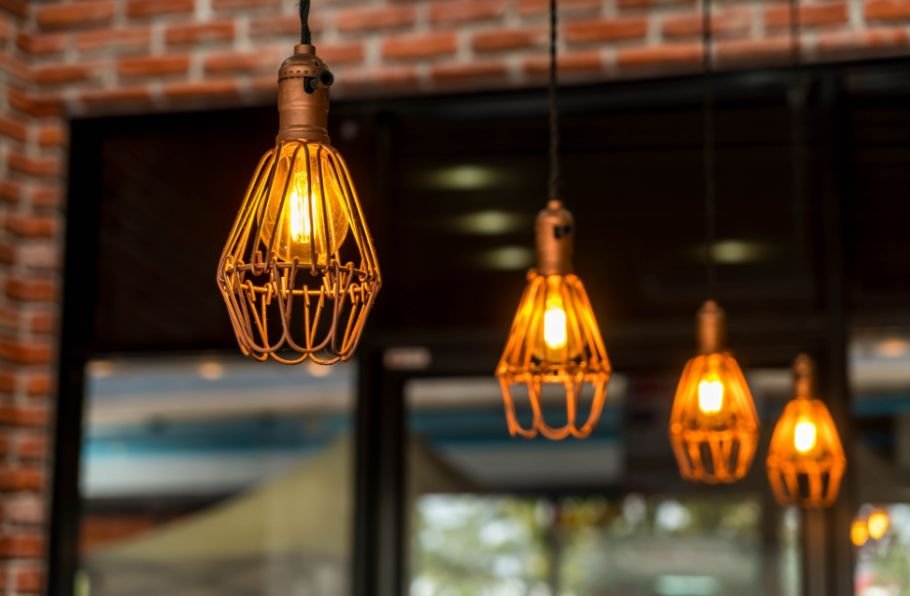
Wall-mounted fixtures illuminate useful areas while leaving tables and floors clear. Compact up-and-down sconces can make a boundary wall appear taller, whereas shielded downlights can brighten seating or walking surfaces without shining directly into anyone’s eyes.
Position sconces carefully in tight spaces. A fixture mounted at eye level beside a chair may feel uncomfortably bright even when its lumen output is modest. Frosted lenses, shades, and downward-facing designs soften the beam and reduce harsh contrast.
Renters can consider rechargeable or battery-operated wall lamps that attach with removable mounting systems, provided the surface and product instructions allow them.
Add Concealed Lighting Under Built-In Features
Hidden LED strips can illuminate the underside of benches, railings, planter cell edges, and outdoor counters. Because the light source remains mostly out of view, the area receives a sophisticated glow without visible fixture clutter.
Under-bench lighting also helps define the floor boundary at night. Place strips inside suitable outdoor-rated channels with diffusers to prevent individual LED dots from appearing. The strip, connectors, controller, and power supply should all be suitable for the level of weather exposure they will face.
Illuminate Steps and Changes in Level
Even a tiny patio may contain a step, raised platform, or uneven edge. Small recessed fixtures, riser lights, or low-output LED strips can identify these changes without flooding the whole space.
The goal is visibility rather than dramatic brightness. Direct light across the tread or downward toward the walking surface. Avoid fixtures that aim upward into people’s eyes. Consistent spacing also makes the route easier to understand at a glance.
Highlight One Vertical Feature
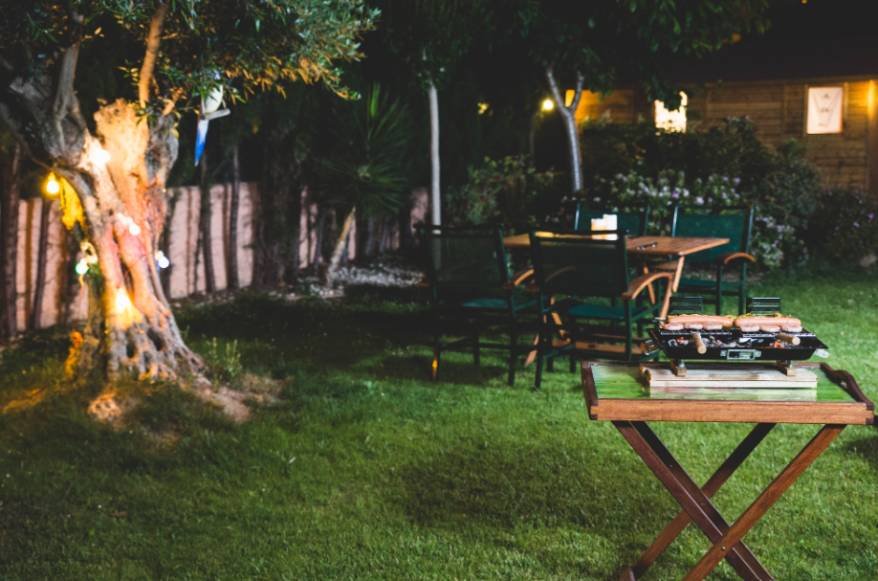
Trying to illuminate every plant can make a small garden appear crowded. Instead, choose one attractive tree, tall container, climbing plant, fountain, or textured wall as the focal point.
A compact spotlight aimed upward can draw attention vertically and increase the apparent depth of the space. An adjustable fixture makes it easier to keep the beam on the intended feature rather than a window or neighboring property. Shielding is important because excess spill light can quickly become noticeable in a compact setting.
Wash a Boundary Wall With Soft Light
A gentle wash of light across a wall or fence can make the boundary feel less abrupt. Position a shielded fixture close enough to reveal texture while avoiding bright patches. Light-colored surfaces require less illumination because they reflect more light.
For a narrow courtyard, a series of subtle wall washes can visually widen the area. Avoid placing several high-output spotlights at equal intervals, which may produce distracting cones and strong shadows.
Choose Portable Table Lamps and Lanterns
Rechargeable table lamps provide flexibility when the seating arrangement changes. Unlike a traditional bankers table lamp designed mainly for indoor desks, weather-rated cordless models can illuminate drinks, meals, or reading material and then move indoors when the evening ends. They are especially useful in outdoor areas where electrical outlets are unavailable.
Solar or battery-powered lanterns can serve the same purpose. Grouping two small lanterns at different heights usually looks more intentional than scattering many units around the floor. Flameless LED candles offer a candlelit appearance without an exposed flame, making them practical near fabric, children, pets, or dry plants.
Turn Planters Into Lighting Supports
Planters can support vertical poles for overhead string lights when a patio lacks walls, trees, or a pergola. Use stable containers and properly anchored posts designed to withstand the weight of the lights and local wind conditions.
Small solar accent lights can also sit inside large planters. Aim them toward foliage rather than outward. Illuminated leaves create attractive shadows and allow plants to contribute to the nighttime design.
Select the Right Power Source
Solar lighting is easy to install, but performance depends on direct daylight reaching the panel. A shaded balcony may not provide enough charging time for reliable illumination. In such locations, rechargeable fixtures can offer more predictable results.
Plug-in lights work well near an appropriate outdoor receptacle, while professionally installed low-voltage systems suit permanent patios and landscaped courtyards. Any cable, plug, transformer, and extension lead used outside must be specifically rated for outdoor conditions. Fixed electrical work should be completed according to applicable regulations by a qualified professional.
Prevent Overlighting and Visual Clutter
A common mistake is choosing fixtures individually without considering how they look together. Limit the design to a consistent finish, bulb color, and general style.
A combination of warm string lights, black sconces, multicolored solar stakes, and bright security lamps can make a tiny area feel chaotic.
How to light a dark backyard can help you create layered illumination that improves visibility and atmosphere without making the outdoor space excessively bright.
Test the arrangement after dark before making permanent changes. Sit in every chair, approach the entrance, and walk through the area. If a bulb is visible and uncomfortable, reposition, shield, or dim it. Darkness can remain around less important areas to create contrast and depth.
Frequently Asked Questions
1. What are the best outdoor lighting ideas for small spaces without electricity?
Solar lanterns, rechargeable table lamps, battery-powered sconces, and exterior-rated solar string lights are useful options. Choose solar products only where their panels can receive sufficient daylight, and use rechargeable fixtures in consistently shaded areas.
2. What color temperature works best on a small patio?
Warm white light, commonly around 2200K to 3000K, usually creates a comfortable atmosphere. Slightly brighter task lighting may be helpful near a cooking or dining surface, but extremely cool light can feel harsh in a confined area.
3. How many fixtures should a small patio have?
There is no universal number. Start with one ambient source, add safety lighting where levels change, and use one accent fixture for a focal point. Add more only when a specific dark area prevents the space from functioning comfortably.
4. How can renters hang outdoor lights without drilling?
Renters can use removable exterior hooks where permitted, railing clips, freestanding string-light poles, or portable rechargeable lamps. Always check the lease, surface compatibility, product weight limit, and weather rating before installation.
Final Thoughts
I find that a compact outdoor area looks most inviting when every fixture has a clear purpose. By lifting lights onto walls and overhead structures, concealing LEDs beneath built-in elements, and highlighting only a few important features, I can create depth without sacrificing valuable room.
A successful plan does not depend on maximum brightness. It depends on warm color, controlled beams, comfortable contrast, and safe placement. Starting with a few flexible fixtures also makes it easier to test the atmosphere and refine the arrangement before committing to permanent installation.