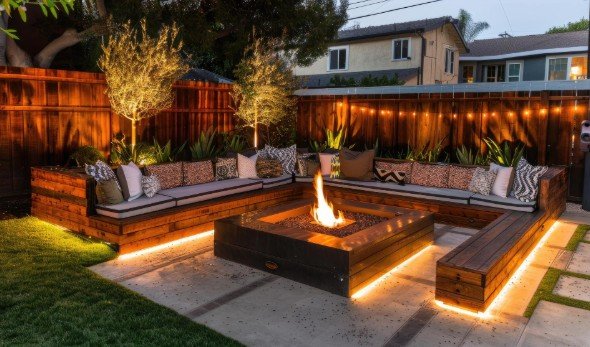
I believe a deck should remain inviting long after daylight disappears. The right lighting can reveal every stair, define comfortable seating areas, support outdoor cooking, and bring warmth to otherwise dark corners.
These outdoor lighting ideas for decks combine decorative appeal with practical illumination, helping you create an outdoor space that feels safe, balanced, and welcoming without overwhelming it with brightness.
Begin With a Layered Lighting Plan
A successful design rarely depends on one powerful fixture. Instead, divide the deck into lighting zones and give each area the illumination it needs. Ambient lighting establishes general visibility, task lighting supports cooking and dining, and accent lighting highlights railings, plants, textures, or architectural details.
Start by identifying entrances, stairs, changes in floor level, deck edges, and walking routes. These safety-sensitive locations should receive priority. You can then plan lighting for dining tables, grills, lounge furniture, planters, pergolas, and decorative features.
Layering several gentle sources creates a more comfortable result than installing one harsh floodlight. It also reduces deep shadows and makes the deck appear visually connected to the surrounding landscape.
Hang String Lights for an Inviting Glow
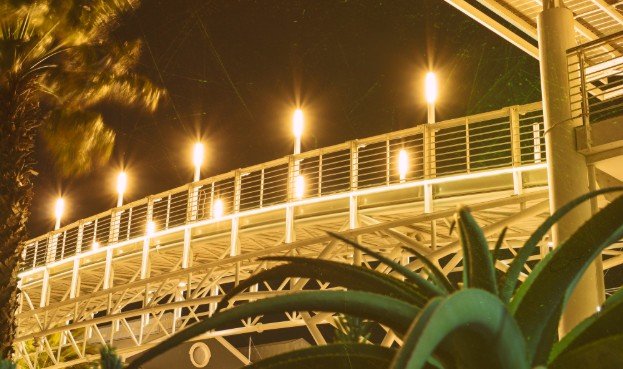
String lights remain popular because they are affordable, flexible, and easy to install. Suspend them beneath pergola beams, arrange them above a dining table, or run them between securely installed poles on an uncovered deck.
Choose outdoor-rated, shatter-resistant LED bulbs rather than delicate indoor strands. Warm-white bulbs generally create a more relaxing atmosphere than cool, blue-toned light. A dimmer allows you to increase visibility during meals and lower the brightness when the deck is used for quiet conversation.
Avoid hanging unsupported strands across long distances. A guide wire can prevent sagging and reduce strain caused by wind.
Illuminate Stairs and Level Changes
Dark stairs are among the most serious hazards on a deck. Small fixtures installed in stair risers can spread light across each tread without shining directly into people’s eyes. Surface-mounted lights offer a practical alternative when recessed installation is impossible.
Place the fixtures consistently so that every step is recognizable. The goal is to reveal tread edges rather than flood the entire staircase. Shielded, downward-facing fixtures are particularly effective because they control glare.
Define the Perimeter With Railing Lights
Railing lighting visually outlines a deck and provides soft illumination around its edges. Compact downlights can be installed beneath the top rail, while linear LED strips can produce a smooth, continuous glow.
Under-rail lighting is useful on contemporary decks because the fixtures remain largely hidden during the day. Select weather-resistant strips housed in suitable outdoor channels, and conceal the wiring carefully so it cannot be damaged or become a tripping hazard.
Keep the output restrained. Excessively bright railing lights can create glare and make the surrounding yard appear darker.
Add Post-Cap Lights for Even Illumination
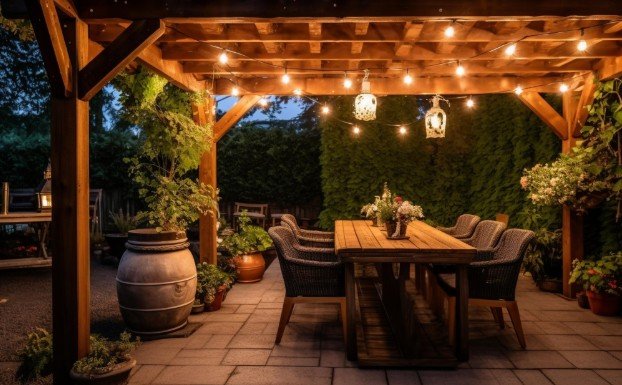
Deck posts provide naturally spaced mounting points. Post-cap fixtures distribute light around the perimeter while adding a finished appearance to wood, vinyl, or composite railings.
Solar post caps are simple to retrofit because they require no cables. However, their performance depends on direct sunlight, panel cleanliness, battery condition, and seasonal weather. Low-voltage models usually deliver more dependable output where consistent nighttime visibility is important.
Match each cap to the actual post dimensions and choose a finish that complements the railing hardware.
Use Pendants on a Covered Deck
A roof or pergola creates opportunities for pendants, chandeliers, and recessed ceiling fixtures. A pendant positioned above an outdoor dining table can define the eating area while providing focused task light.
Fixtures beneath fully protected roofs may require a damp-location rating, while products exposed to rain generally need an appropriate wet-location rating. Because exposure conditions differ, check the manufacturer’s installation instructions before purchasing.
Maintain enough clearance above tables and walking areas. Large shades can look impressive, but they should not obstruct views or become vulnerable to wind.
Install Wall Sconces Near Doors
Exterior sconces help people move safely between indoor and outdoor areas. Mount them beside deck doors, outdoor kitchens, or frequently used passageways. Downward-facing designs concentrate light on the floor and reduce unnecessary upward spill.
Select a style that relates to the home’s architecture. Simple black fixtures complement modern exteriors, while lantern-inspired sconces can suit traditional spaces. Symmetrical placement around a doorway creates a polished entrance, but a single well-positioned fixture may be sufficient for a smaller deck.
Introduce Recessed Floor Lights Carefully
Small in-deck lights can mark pathways, borders, and seating zones without taking up floor space. They work especially well on minimalist decks where visible fixtures would interrupt clean lines.
Position these lights where they guide movement rather than create random bright dots. Flush-mounted products must be suitable for foot traffic and outdoor exposure. Thoughtful spacing is essential because too many floor lights can make the deck resemble a runway.
Bring Flexibility With Portable Lanterns
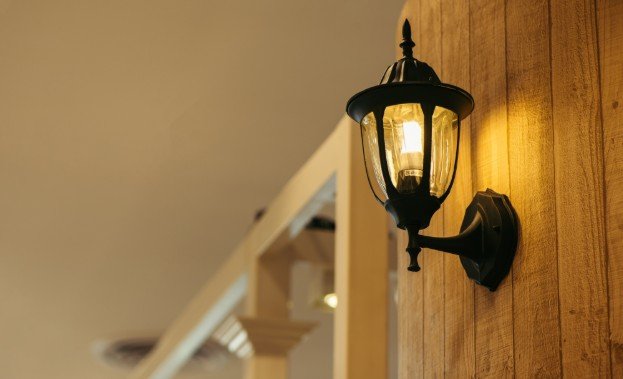
Rechargeable table lamps and enclosed LED lanterns are useful when furniture arrangements change. They can illuminate food, drinks, reading material, or conversation areas and then move indoors when the evening ends.
Portable fixtures are also practical for renters and homeowners who prefer not to drill into railings or decking. Arrange lanterns on stable tables or protected corners rather than directly in busy walking routes.
For safety, use flameless candles where children, pets, fabric furnishings, or dry plants are nearby.
Highlight Plants and Architectural Features
Lighting should connect the deck with the landscape instead of stopping abruptly at the railing. A shielded spotlight aimed at a planter, textured wall, small tree, or sculpture creates depth beyond the immediate seating area.
Use accent lighting selectively. Highlighting one or two attractive features produces a stronger effect than illuminating everything equally. Aim fixtures away from neighboring properties and bedroom windows, and keep the light directed downward whenever possible.
Choose the Appropriate Power Source
Solar lighting is convenient for decorative areas that receive reliable sunlight. Plug-in lights work well near protected outdoor receptacles, while low-voltage systems are suitable for integrated stairs, posts, railings, and landscape fixtures.
Low-voltage installations typically use a transformer connected to a protected outdoor outlet. Transformer capacity, cable length, fixture wattage, and future expansion should all be considered. Hire a qualified electrician when an installation involves unfamiliar wiring, new outlets, line-voltage fixtures, or changes to the electrical system.
Frequently Asked Questions
1. What are the best outdoor lighting ideas for decks with stairs?
The best outdoor lighting ideas for decks with stairs include shielded riser lights, under-rail fixtures near landings, and subtle path lighting at the top and bottom. Each tread should be clearly visible without placing exposed light directly at eye level.
2. Is warm or cool light better for a deck?
Warm-white light generally creates a comfortable atmosphere for dining and relaxation. Cooler light may suit security or detailed task areas, but using it across the entire deck can make the space feel harsh.
3. Can solar lights illuminate an entire deck?
Solar fixtures can provide decorative or supplemental illumination, particularly in sunny locations. They may not deliver consistent output for cooking, stairs, or large gathering areas, so combining them with a dependable wired source is often more effective.
4. How can I light a deck without permanent wiring?
Use outdoor-rated string lights, rechargeable table lamps, solar post caps, and portable LED lanterns. Secure cords properly and keep all connections and fixtures suitable for outdoor exposure.
Final Thoughts
I find that the best deck designs do not call attention to individual bulbs. Instead, they make movement effortless, faces easy to see, and important features quietly visible. By lighting stairs first, layering task and ambient sources, controlling glare, and selecting fixtures suited to outdoor conditions, you can turn an ordinary deck into a comfortable nighttime retreat.